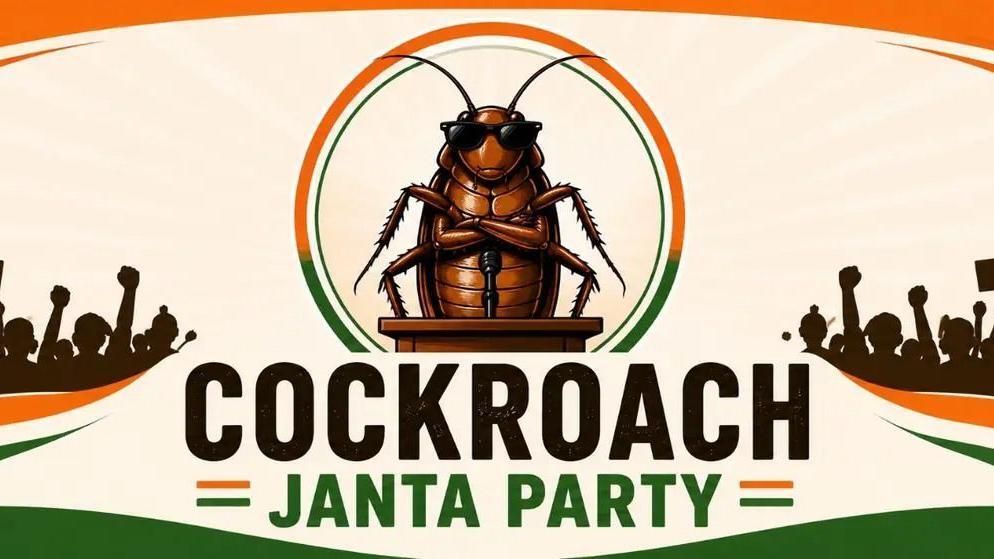
What is the Cockroach Janta Party?
The Cockroach Janta Party (CJP) is one of the most talked-about internet-driven movements of 2026 in India. What started as a satirical online response to controversial remarks about unemployed youth quickly evolved into a large social media movement attracting millions of followers and supporters.
Initially launched as a meme-based campaign, the movement transformed an insult into a symbol of resilience. Supporters argue that if young Indians are being dismissed or ignored, they will proudly embrace the label and use it to demand accountability, employment opportunities, and reforms in education and recruitment systems.
Why Is It Called "Cockroach" Janta Party?
The movement traces its origins to remarks that were widely interpreted online as comparing certain unemployed youth and critics of the system to "cockroaches" and "parasites." The statement triggered outrage and discussion across social media platforms.
Instead of rejecting the label, many young people adopted it.
The symbolism was simple:
- Cockroaches survive difficult conditions.
- They are hard to eliminate.
- They continue existing despite obstacles.
For supporters, the cockroach became a metaphor for India's struggling youth navigating unemployment, examination controversies, rising costs, and economic uncertainty.
The Rise of a Viral Movement
The movement was reportedly initiated by Abhijeet Dipke, a political communication strategist and student in the United States. A social media post asking, "What if all cockroaches came together?" became the spark that transformed online frustration into organized activism.
Within days:
- Millions began following the movement on social media.
- Memes, videos, and satire spread across Instagram and X.
- Thousands registered support online.
- National media started covering the phenomenon.
What Issues Does the Movement Highlight?
1. Youth Unemployment
Many graduates face challenges securing stable and well-paying jobs despite obtaining degrees. Supporters argue that economic growth has not translated into sufficient employment opportunities for young people.
2. Examination Controversies
The movement frequently discusses concerns surrounding competitive examinations, alleged paper leaks, recruitment delays, and transparency in selection processes.
3. Accountability in Governance
CJP supporters often use satire to demand greater accountability from institutions and policymakers regarding education and employment-related issues.
From Instagram Reels to Street Protests
What surprised many observers was the movement's transition from online memes to real-world gatherings.
In June 2026, supporters assembled at Jantar Mantar in New Delhi for one of the movement's largest public demonstrations. Participants carried placards, wore cockroach-themed masks and T-shirts, and raised concerns about education and employment policies.
The event demonstrated that what began as internet humor had evolved into a broader expression of youth dissatisfaction.
Why Is the Movement Resonating With Gen Z?
Several factors explain the popularity of Cockroach Janta Party among young Indians:
- Relatable humor and meme culture.
- Frustration regarding jobs and examinations.
- Social media-first communication.
- Rejection of traditional political messaging.
- A sense of collective identity among young citizens.
The movement's slogan effectively turns criticism into empowerment, a strategy that resonates strongly with digital-native audiences.
Is Cockroach Janta Party a Registered Political Party?
As of now, the movement is widely described as a satirical political and social movement rather than a recognized national political party. While it has gained significant visibility and public attention, its primary influence remains through online engagement, activism, and public discourse.
Future of Cockroach Janta Party
Whether Cockroach Janta Party becomes a lasting political force or remains a symbol of internet-age activism is still uncertain. However, its rapid growth demonstrates a broader reality:
India's youth are increasingly using digital platforms to organize, express dissatisfaction, and demand accountability from institutions. The success of the movement highlights the growing power of memes, social media communities, and decentralized activism in shaping public conversations.
Conclusion
The Cockroach Janta Party is more than just a viral meme. It reflects the frustrations, aspirations, and digital creativity of a generation seeking attention to issues such as employment, education, and governance. By transforming a perceived insult into a rallying symbol, the movement has become one of the most fascinating examples of internet-driven activism in India during 2026.