Myth: "Home Science mein toh bas khana banana hota hai."
Want the actual breakdown? Here is what it really covers:
If people stick around for more than a minute, you can shock them with what you actually learn in class:
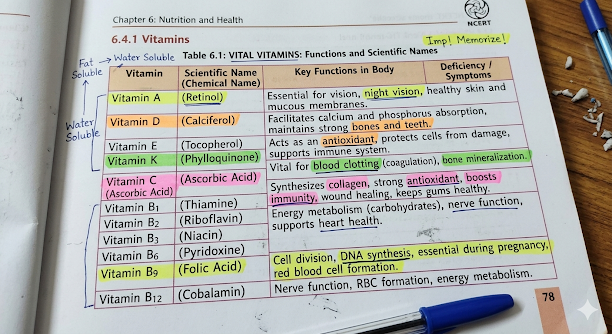
Biochemistry & Dietetics: You aren't learning recipes; you are studying therapeutic nutrition, food chemistry, and how macro and micronutrients manage or prevent metabolic lifestyle diseases like diabetes and hypertension.

It’s Human Psychology: A huge chunk of the course is about Child Development. You study how a child’s brain develops, behavioral patterns, and how family dynamics shape a person from birth to old age.

Legal Awareness & Consumer Rights: You don't just go shopping; you study consumer protection laws (like COPRA) and the official Consumer Rights. You learn your right to safety, your right to be informed about product quality and pricing, and your right to redressal (how to legally fight back in consumer forums if a company cheats you).

It’s Real-World Economics: You learn smart budgeting, consumer rights (so you don't get cheated in the market), and ergonomics—which is the science of designing spaces so you can work with the least amount of physical stress.

It’s Textile Science: You don't just stitch clothes; you study fabric chemistry, how different fibers are made, and how materials behave. It’s the technical side of the fashion industry.
The Bottom Line: Home Science doesn't train you to be a maid; it trains you to be a master of resources. It takes complicated scientific theories and applies them directly to everyday survival—something most people desperately need but never learn.