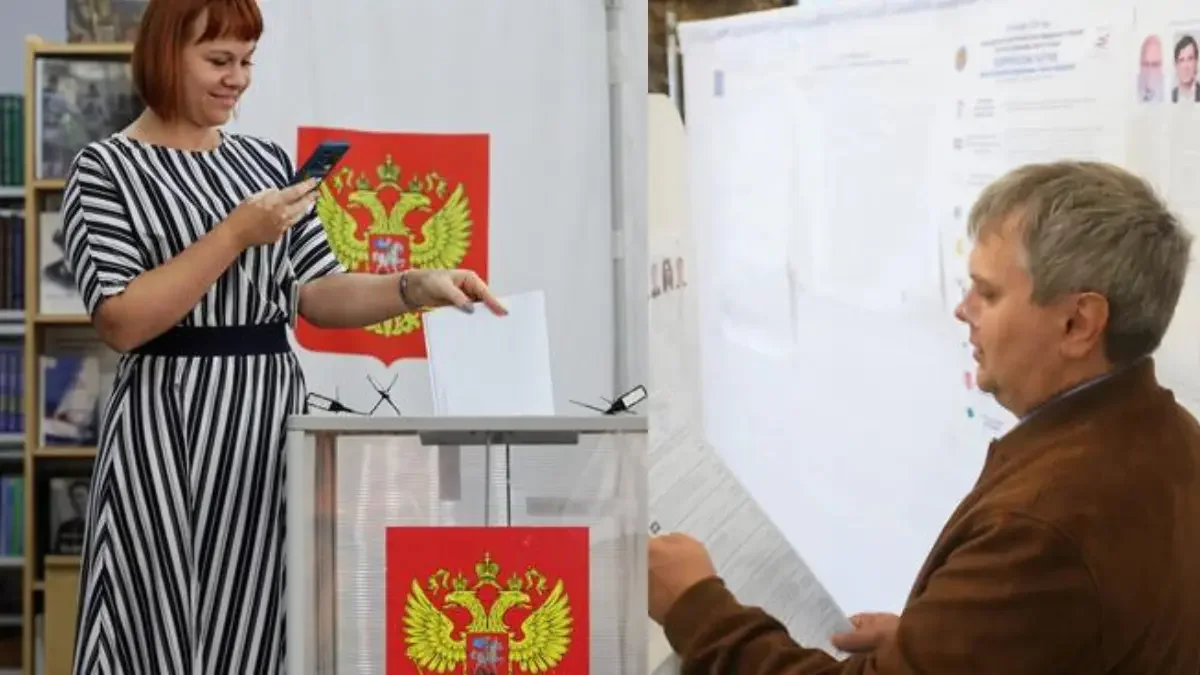
Voting opened across Russia on Friday, September 18, 2026, for a three-day parliamentary election to fill all 450 seats in the State Duma. However, the opening of polling stations coincided with one of the largest coordinated drone barrages aimed at the Russian capital since the conflict began. Moscow Mayor Sergei Sobyanin confirmed that Russian air defense forces intercepted over 350 Ukrainian unmanned aerial vehicles (UAVs) between Thursday evening and Friday morning. Around 64 of those drones were shot down on direct approach to Moscow, disrupting local travel and signaling the growing reach of long-range aerial combat deep inside Russian territory.
Political Dominance Amid Ongoing Conflict
This vote marks the first federal parliamentary election held in Russia since full-scale military action in Ukraine started. President Vladimir Putin, whose ruling United Russia party has dominated parliament since the early 2000s, called on citizens to show national unity at the ballot box. Only Kremlin-sanctioned political groups—including the Communist Party, LDPR, and A Just Russia—were cleared to participate, while opposition factions calling for an immediate cease-fire were barred from running. Voting is also taking place across Russian-controlled territories in Ukraine, drawing widespread protest from international bodies.
Why This Election Matters Globally
Although United Russia is expected to maintain its legislative stronghold, analysts regard this vote as a crucial measure of domestic sentiment. Years of prolonged fighting, international economic sanctions, and recurring long-range strikes have tested local infrastructure and public resilience. For international observers and major global economies, the election outcome guarantees legislative backing for Russia's current foreign policies, long-term defense spending, and continued economic focus on non-Western trade corridors.
What Could Happen Next?
With voting open through Sunday across 11 time zones, security across Russian cities remains on high alert. The scale of recent drone interceptions indicates that cross-border aerial activity will remain a central tactic, keeping domestic security at the forefront of Russia’s political landscape.