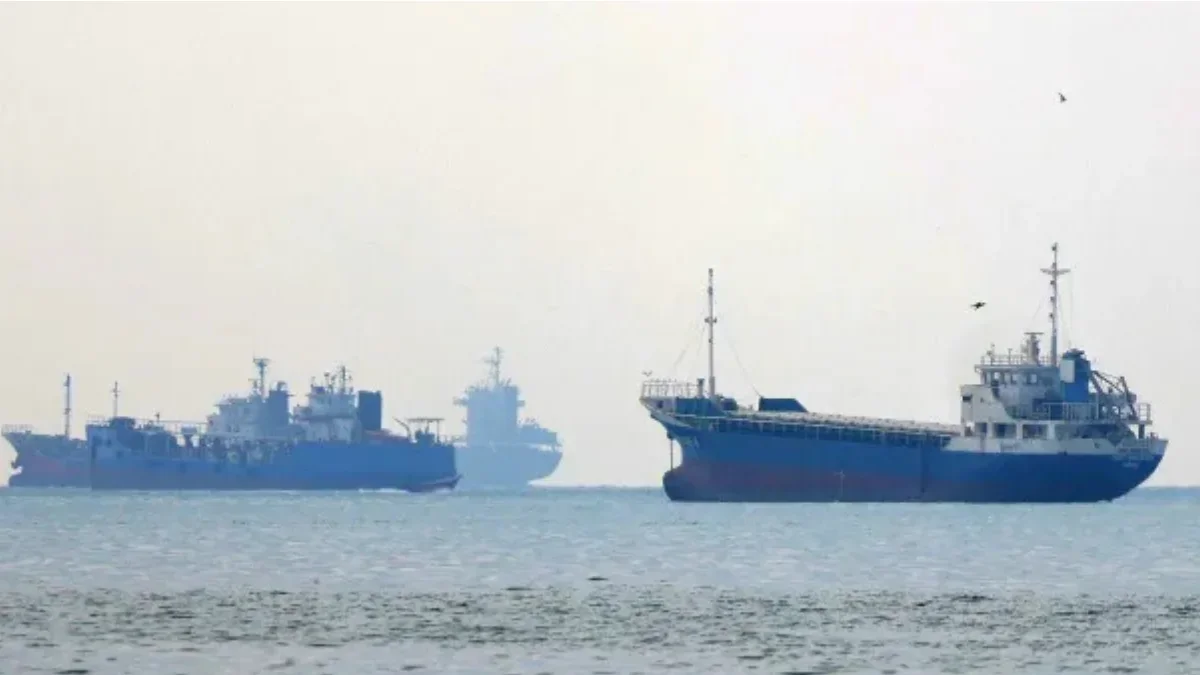
Tensions in the Middle East reached a new high after Iran’s Islamic Revolutionary Guard Corps (IRGC) Navy targeted a Togo-flagged commercial oil tanker in the Strait of Hormuz. The maritime strike occurred as US President Donald Trump stated he is nearing a critical decision on whether to launch fresh large-scale military attacks against Tehran.
What Happened in the Strait of Hormuz?
According to Iranian state media, the IRGC Navy struck and disabled the oil tanker, identified as the Trend, alleging it attempted an "unauthorised passage" encouraged by the United States military. The vessel reportedly caught fire and was brought to a halt in the strategic channel.
Meanwhile, the United Kingdom Maritime Trade Operations (UKMTO) acknowledged a maritime security incident roughly 16 nautical miles off Oman’s coast, reporting that crew members were safe. The IRGC reiterated stern warnings that unauthorized transits through the strait would meet military force.
Trump Signals Critical Decision Ahead
Speaking to media outlets, President Trump revealed that Washington is approaching a major crossroads in its ongoing conflict with Iran. "I have a big decision coming up. Do I want to go in and annihilate them, or do I not?" Trump said, adding that while Tehran seeks a deal, it is "not ready" to meet American conditions.
The US has maintained a naval blockade alongside strict sanctions on Iranian oil exports. However, American officials indicate that holding current force deployments indefinitely is unsustainable, forcing an imminent choice between diplomatic pressure and renewed direct combat operations.
Why Does This Matter to India and Global Markets?
The Strait of Hormuz is the world's most critical energy transit choke point, handling nearly twenty percent of global petroleum consumption. Any major disruption directly impacts global crude oil prices, which fuels inflation worldwide.
For India, which relies on Persian Gulf imports for over eighty percent of its crude oil requirements, prolonged instability in Hormuz threatens higher import bills, increased shipping freight charges, and potential fuel price hikes at domestic pumps.
What Lies Ahead for the Region?
Trump is scheduled to consult with key Gulf leaders, including representatives from Saudi Arabia, Qatar, and the UAE, ahead of the UN General Assembly. Regional nations are urging restraint to prevent catastrophic damage to energy infrastructure. Whether Washington chooses air strikes or diplomatic containment will determine global energy security in the coming months.
also read : US Approves $24.3 Billion F-35 Fighter Jet Sale to Saudi Arabia