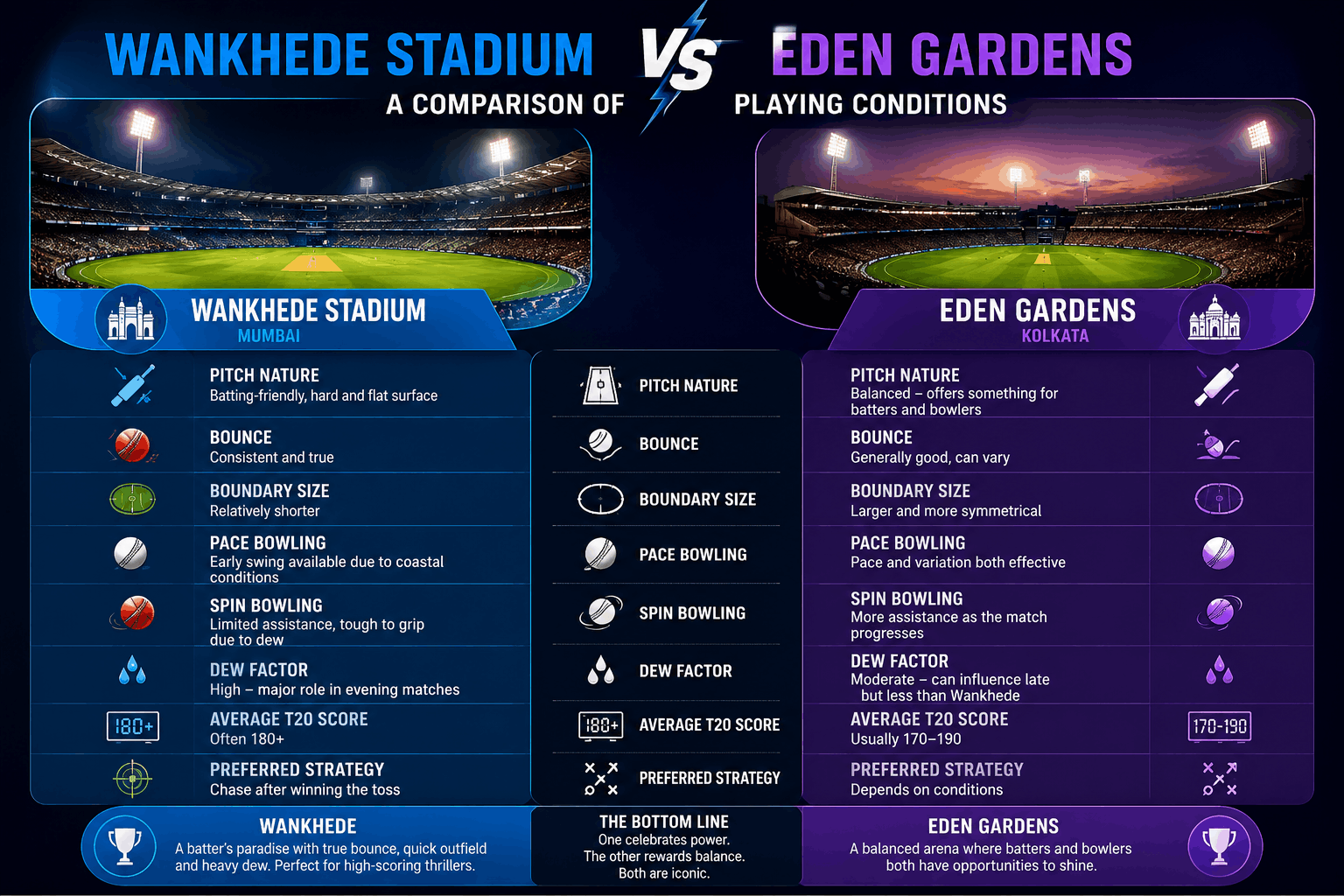
Wankhede Stadium: The Batter's Paradise
 .
. 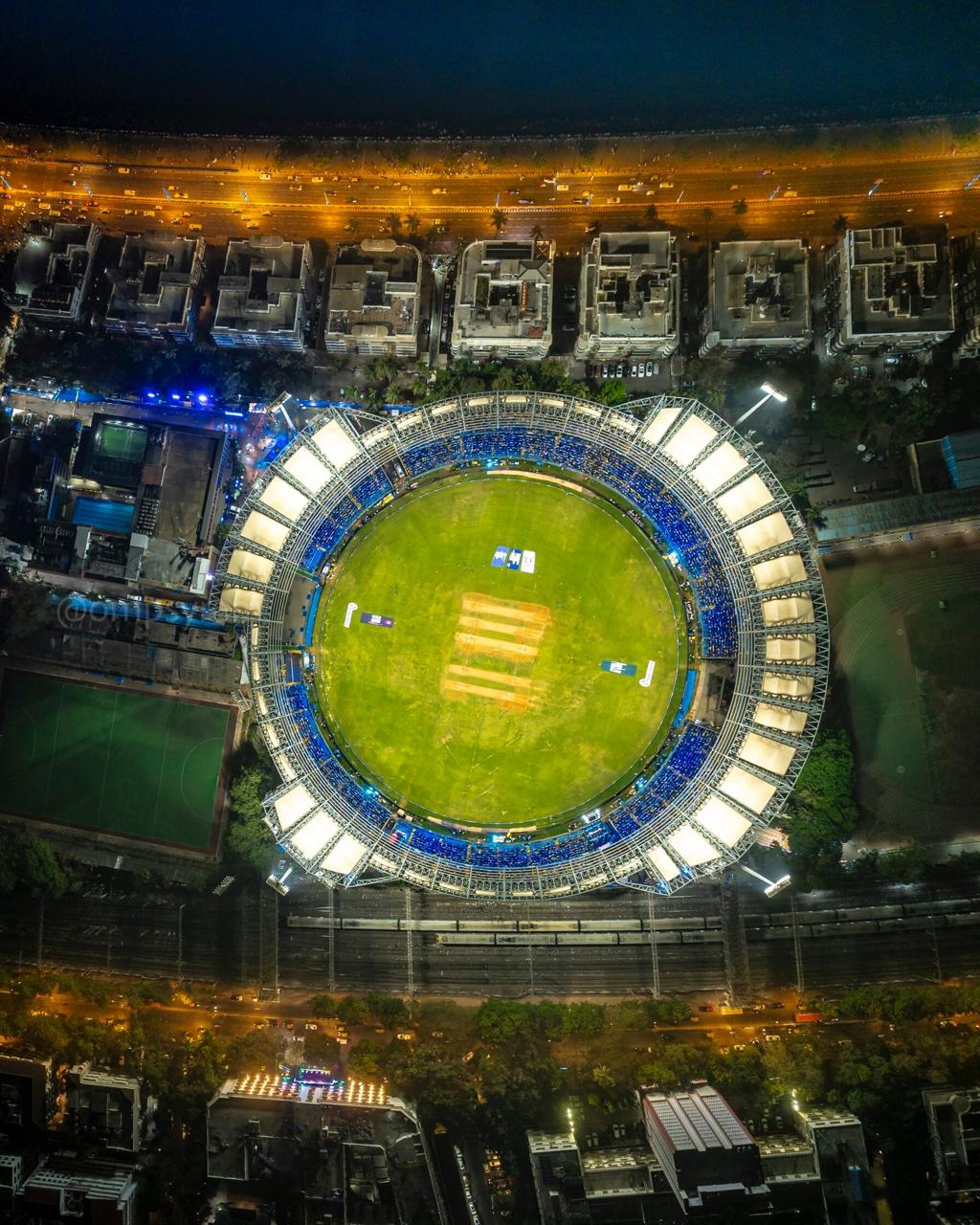
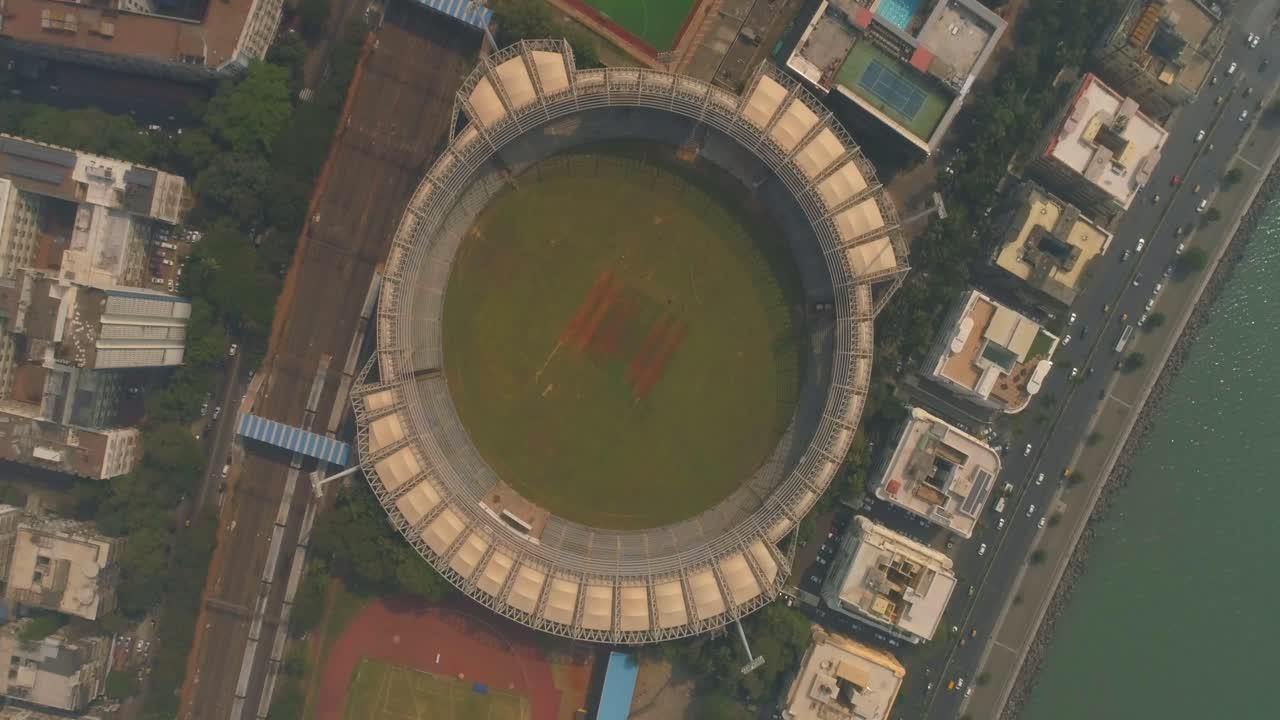
Located near the Arabian Sea, Wankhede is famous for its true bounce, fast outfield, and batting-friendly surface. The pitch generally offers consistent pace, allowing batters to play their shots with confidence. Short straight boundaries further encourage aggressive stroke play.
Key Characteristics
- Hard and flat surface.
- Consistent bounce throughout the innings.
- Fast outfield that rewards timing.
- Significant evening dew in night matches.
- Early swing available for fast bowlers due to coastal conditions.
Impact on Batters
Batters thrive at Wankhede because the ball comes onto the bat nicely. Once the initial movement disappears, stroke-makers can dominate bowlers. Scores above 180 in T20 cricket are common, while chasing teams often enjoy an additional advantage due to dew.
Impact on Bowlers
Fast bowlers may find assistance during the powerplay through swing and seam movement. However, as the match progresses, conditions become increasingly difficult for bowlers, especially spinners struggling to grip the wet ball under lights.
Eden Gardens: A More Balanced Contest
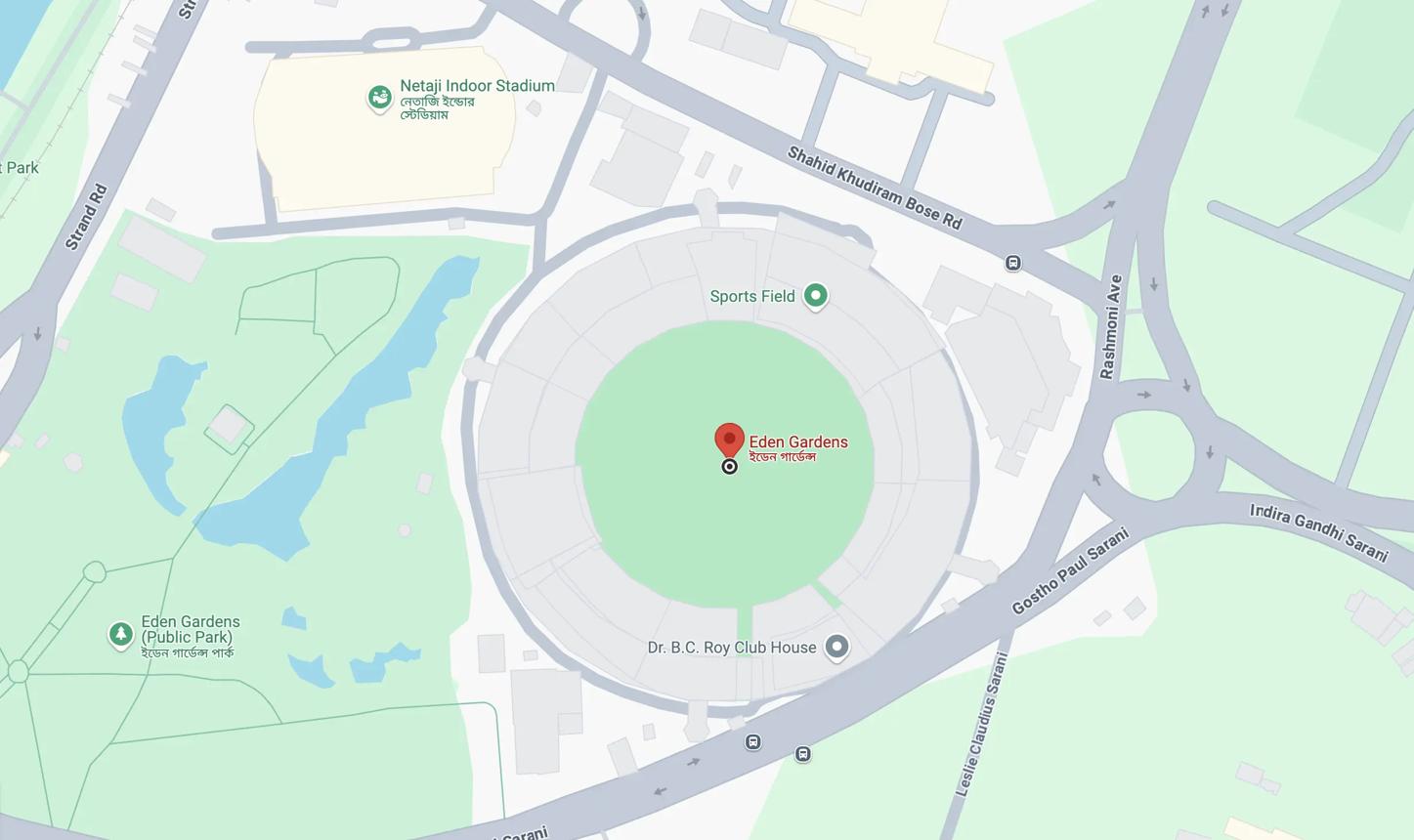
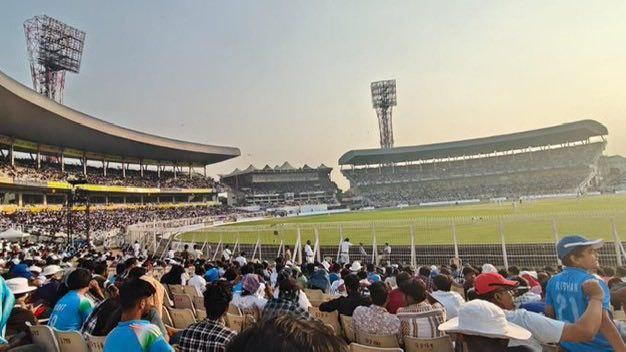
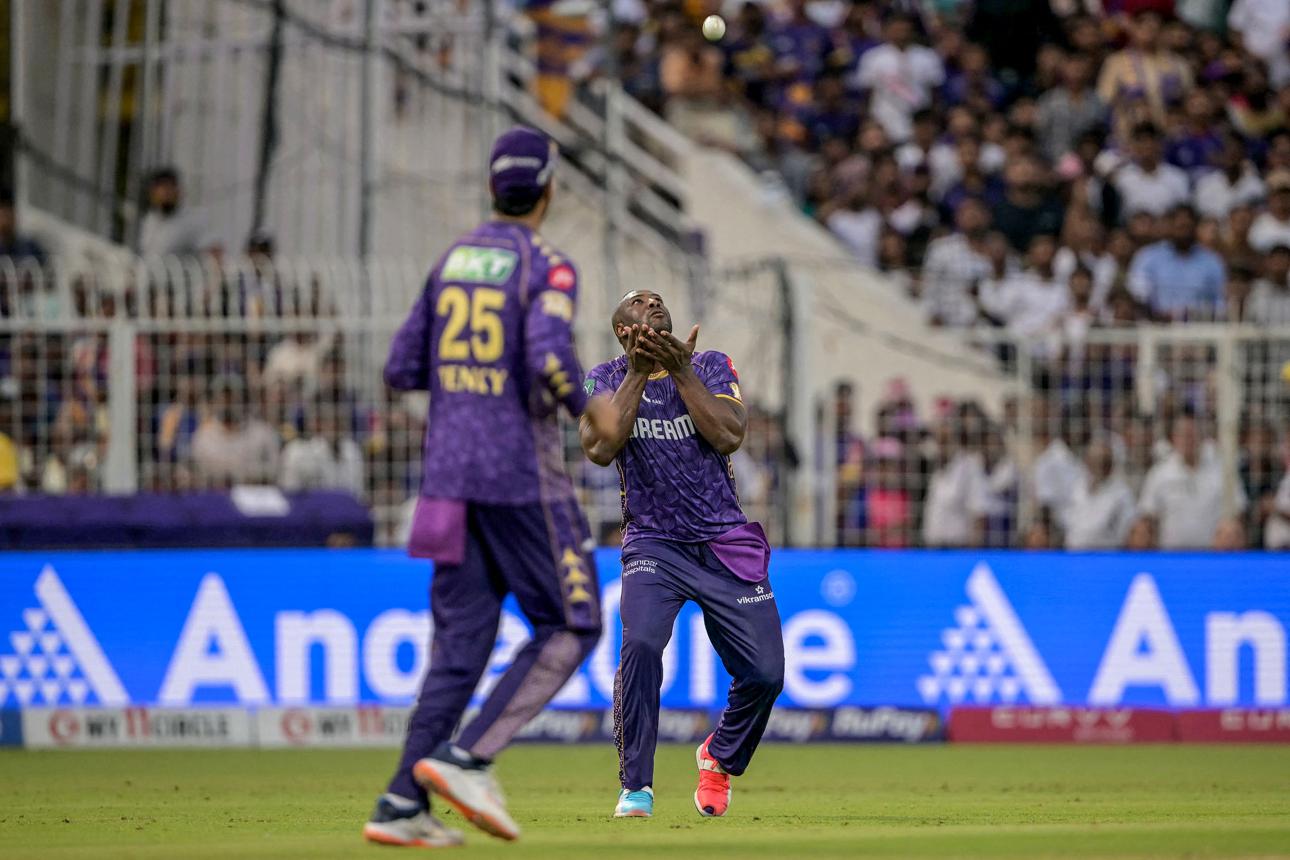
Eden Gardens has evolved significantly over the years. While it was once known for helping spinners, modern pitches tend to be more balanced, offering opportunities to both batters and bowlers depending on the preparation and weather conditions. Discussions around pitch preparation frequently emerge because teams often seek surfaces that complement their strengths.
Key Characteristics
- Better balance between bat and ball.
- Generally larger and more symmetrical boundaries.
- Some assistance for spinners as the game progresses.
- Good pace and carry for stroke-makers.
- Dew can influence evening matches, though usually less dramatically than at Wankhede.
Impact on Batters
Timing is often more important than brute power at Eden Gardens. While high-scoring matches are common, batters must adapt to varying bounce and occasional spin assistance. The larger dimensions also require better placement compared to Wankhede.
Impact on Bowlers
Unlike Wankhede, bowlers generally remain in the game for longer periods. Spinners can become influential, particularly when the surface begins to wear. Fast bowlers who vary their pace effectively can also extract rewards.
Head-to-Head Comparison
| Factor | Wankhede Stadium | Eden Gardens |
|---|---|---|
| Pitch Nature | Batting-friendly | Balanced |
| Bounce | Consistent and true | Generally good, can vary |
| Boundary Size | Relatively shorter | Larger and more balanced |
| Pace Bowling | Early swing available | Pace and variation both effective |
| Spin Bowling | Limited assistance | More assistance as match progresses |
| Dew Factor | High | Moderate |
| Average T20 Scores | Often 180+ | Usually 170–190 |
| Preferred Strategy | Chase after winning toss | Depends on conditions |
Which Venue Produces Better Cricket?
The answer depends on perspective.
- If you enjoy six-hitting spectacles, massive totals, and thrilling run chases, Wankhede is hard to beat.
- If you prefer a tactical battle where batters and bowlers both have opportunities to influence the game, Eden Gardens offers a more balanced contest.
Wankhede showcases modern T20 cricket at its most explosive, while Eden Gardens often rewards adaptability and strategic thinking. Both venues are iconic, but they test players in very different ways.
Final Thoughts
Wankhede and Eden Gardens represent two distinct cricketing philosophies. Wankhede is a venue where aggressive batting often dictates outcomes, aided by true bounce and heavy dew. Eden Gardens, meanwhile, provides a richer tactical challenge, with larger boundaries and conditions that can support both pace and spin.
For players, succeeding at both grounds requires versatility. For fans, these differences are exactly what make cricket's venue diversity so fascinating. One stadium celebrates power; the other celebrates balance. Together, they remain among the finest stages in world cricket.