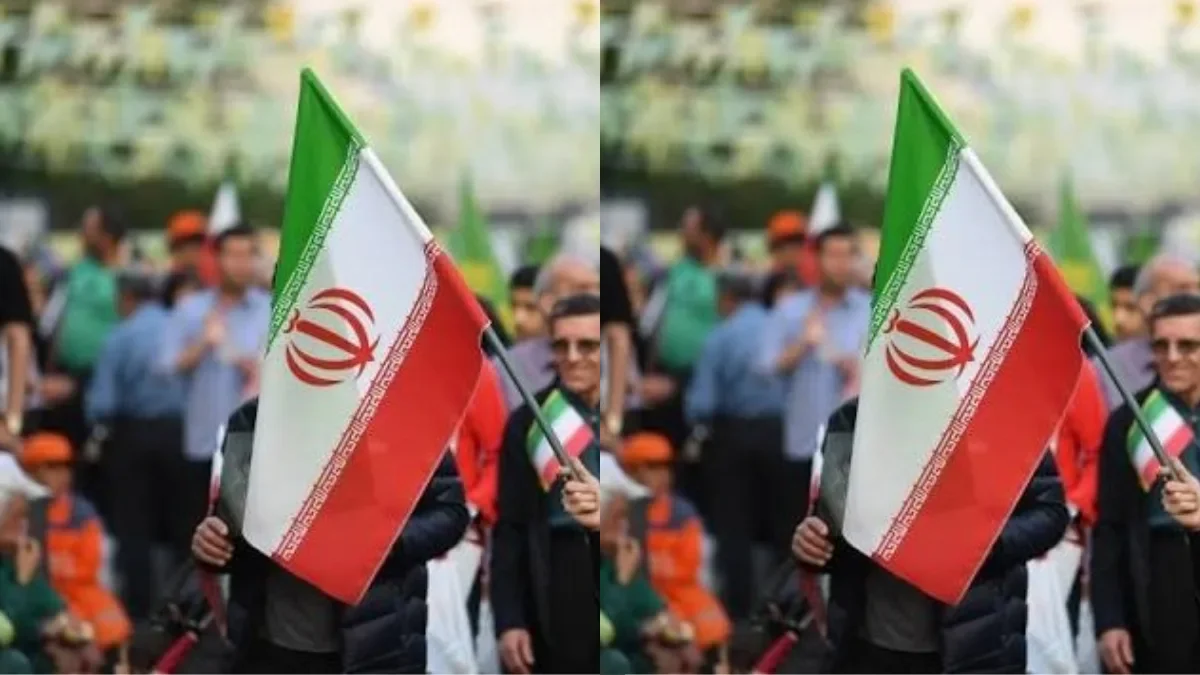
Iran's Supreme National Security Council has explicitly denied reports that Tehran plans to launch military retaliation against regional nations enforcing new aviation restrictions on Iranian aircraft. Officials clarified that while active diplomatic channels are being pursued to lift the flight bans, non-military countermeasures targeting specific airports remain an option if negotiations stall.
Official Clarification from the Supreme National Security Council
In an official statement released by the Secretariat of Iran's Supreme National Security Council (SNSC), Tehran sought to dispel mounting speculation over a potential armed escalation. The council emphasized that claims suggesting an imminent military strike or defensive force in response to regional flight bans are entirely inaccurate.
The clarification followed widespread international concern triggered by previous rhetoric from high-ranking Iranian officials. Misinterpretations of remarks made regarding civil aviation security had led media outlets to report that Iran might take direct kinetic action against neighbor states participating in international air restrictions.
According to the SNSC, Iran is actively engaging in diplomatic negotiations with the specific regional governments involved to resolve the issue amicably. The council reaffirmed that peaceful statecraft remains Tehran’s primary path toward lifting what it considers unlawful constraints on its commercial aviation sector.
Non-Military Escalation Options Remain on the Table
While ruling out military force, the Supreme National Security Council made clear that Iran retains a spectrum of proportional, non-military response mechanisms. Officials noted that reciprocally targeted sanctions or operational disruptions aimed at specific regional airports could be deployed if diplomatic negotiations fail to yield results.
┌────────────────────────────────────────────────────────┐
│               TEHRAN'S AVIATION RESPONSE               │
└───────────────────────────┬────────────────────────────┘
                            │
       ┌────────────────────┴────────────────────┐
       ▼                                         ▼
┌──────────────┐                          ┌──────────────┐
│ DIPLOMACY    │                          │ NON-MILITARY │
│ (Primary)    │                          │ OPTIONS      │
├──────────────┤                          ├──────────────┤
│ Negotiations │                          │ Target-Level │
│ To Lift Bans │                          │ Airport Measures │
└──────────────┘                          └──────────────┘
The council’s statement outlined three fundamental positions:
Rejection of Armed Action: Claims asserting Iran will resort to military strikes or operations in reaction to airspace limitations are entirely false.
Active Diplomatic Dialogue: High-level talks are currently underway with regional partner nations to eliminate the newly implemented flight bans.
Targeted Non-Military Measures: Iran possesses operational alternatives outside the military domain to penalize uncooperative foreign hubs, though it hopes the crisis will be resolved before such actions become necessary.
Regional Context and Heightened Security Tensions
The dispute stems from a broader push by international authorities to tighten restrictions on Iranian air traffic, impacting routes across several neighboring Middle Eastern states. The flight bans have disrupted commercial logistics, leading senior Iranian figures to warn that regional civil aviation cannot function on an asymmetric basis.
Earlier comments from defense and security advisors had fueled fears of broader confrontation. Statements suggesting that regional airport operations would be compromised if Iranian planes were grounded led media analysts to project a severe military standoff. The SNSC’s direct intervention was designed to establish a clear distinction between economic or aviation-focused retaliation and actual military aggression.
| Measure Type | Iranian Official Position | Stated Objective |
| Military Retaliation | Explicitly Denied | Avoid broader regional kinetic conflict |
| Diplomatic Talks | Active Pursuit | Secure lifting of "unlawful" flight bans |
| Non-Military Countermeasures | Reserved as Contingency | Apply operational friction to specific foreign airports |
Path Forward for Regional Airspace
By ruling out military escalation, Iran's diplomatic apparatus has signaled a preference for de-escalation while keeping economic leverage intact. Neighboring aviation authorities are currently reviewing flight schedules and airspace protocols as bilateral talks continue.
The SNSC concluded its message by stating that Tehran remains hopeful that constructive discussions will prevail, eliminating the need for any retaliatory commercial measures against regional air hubs. For now, international airlines and regional neighbors continue to monitor both the diplomatic developments and airspace advisories across the region.