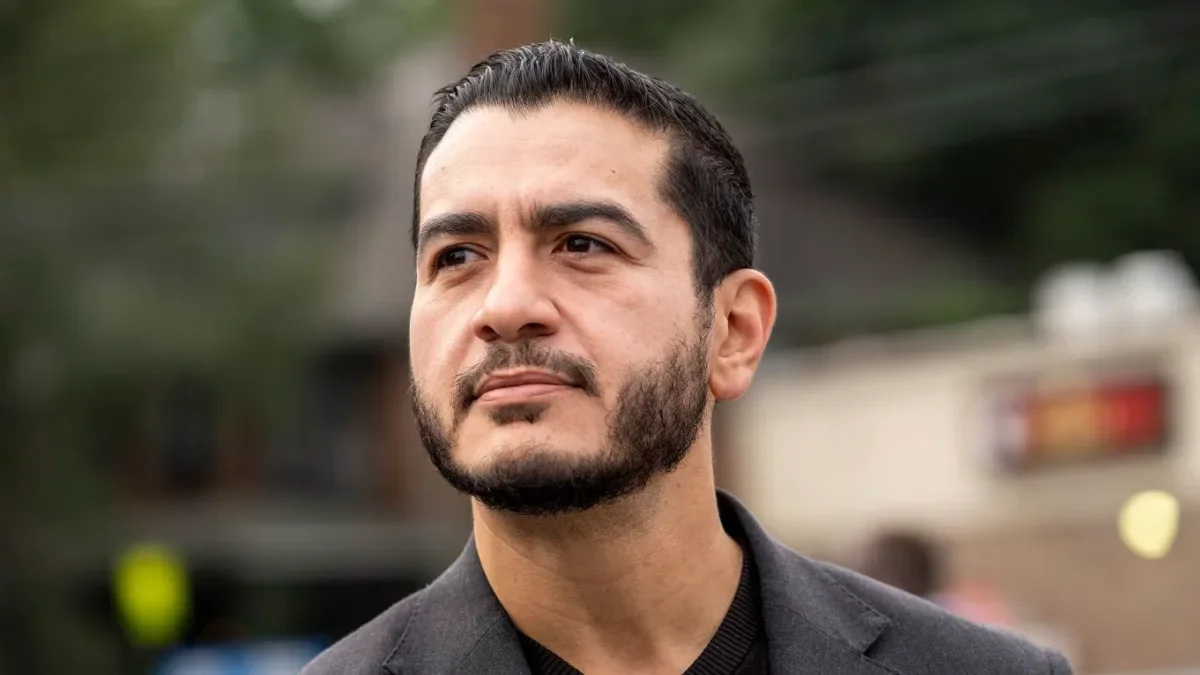
Abdul El-Sayed has built his political identity on a firmly progressive platform, drawing heavily from his background as an epidemiologist, public health official, and former gubernatorial candidate. Rising through local public health leadership in southeast Michigan, he gained national attention for his advocacy during public health crises and his systemic approach to healthcare reform. In this Senate cycle, his campaign relies heavily on grassroots mobilization, appealing directly to working-class voters, young activists, and progressive organizers who want bold structural changes in Washington. By championing comprehensive healthcare expansion and economic equity, he has energized a passionate base that views him as a transformative figure ready to break new ground.
What Lies at the Heart of Democratic Hesitation?
Despite the enthusiasm surrounding his primary victory, several moderate Democrats and party strategists express private reservations regarding how well his progressive platform translates to the broader statewide electorate. Michigan has historically functioned as a crucial purple state where general election outcomes often hinge on suburban independents and moderate voters who may feel alienated by far-left policy proposals. Internal party discussions frequently center on whether a progressive populist can successfully unify the diverse factions of the Democratic coalition without inadvertently triggering resistance among centrist blocks. These quiet doubts do not necessarily translate to open opposition, but they reflect a calculated nervousness about navigating a high-stakes battleground against a formidable Republican opponent.
Where Does the General Election Campaign Go From Here?
The trajectory of the race now depends heavily on how effectively El-Sayed can bridge the gap between his core progressive supporters and the broader, more cautious segments of the electorate. Campaign managers and external analysts note that unifying the party apparatus will be essential for maintaining momentum through the final weeks before November. As both parties pour resources into Michigan, the ultimate test will be whether his message of systemic reform can overcome the traditional hesitation of moderate establishment figures and secure a historic victory.
Why This Senate Seat Matters Nationally
Beyond state borders, the Michigan Senate race carries massive national implications for the balance of power in Congress. With control of the Senate hanging in a delicate balance, every open seat becomes a focal point for national fundraising, voter turnout operations, and media scrutiny. The outcome in Michigan will not only dictate who occupies the seat left open by departing leadership, but it will also signal whether progressive candidates can successfully carry competitive midwestern battlegrounds in modern political cycles.
source link = Abdul El-Sayed's Senate Bid Stokes Democratic Anxieties