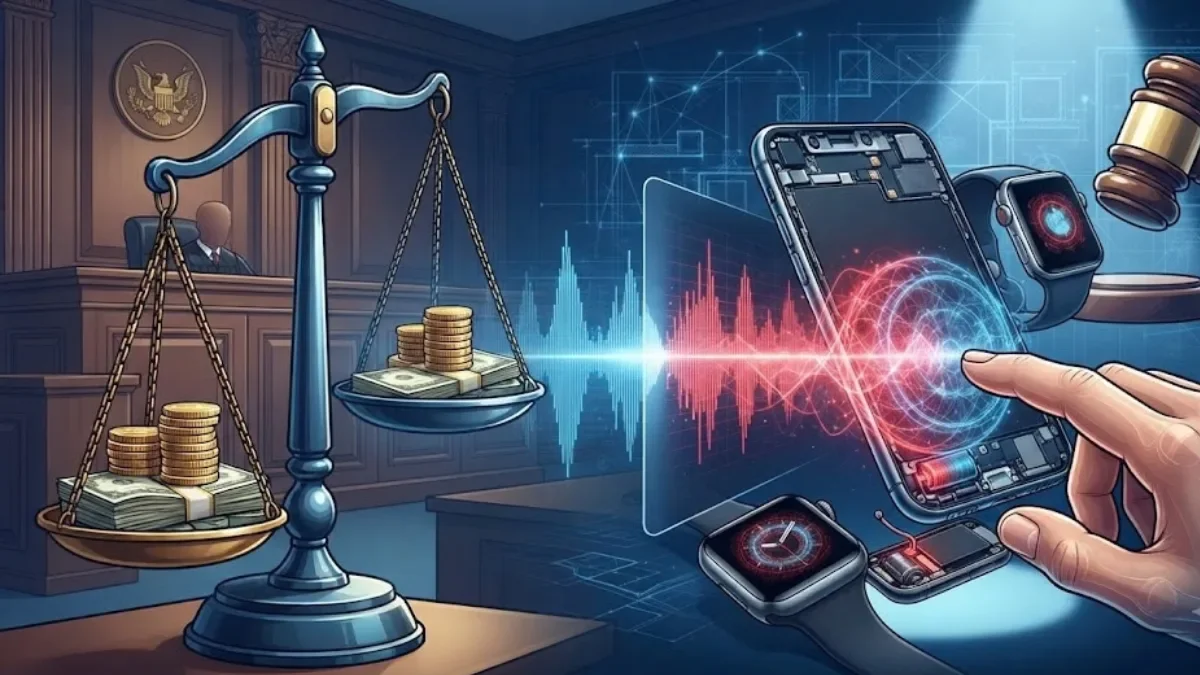
The recent courtroom clash between tech giant Apple and audio innovator Taction Technology has sent shockwaves through the consumer electronics industry. At the heart of the dispute is the sophisticated tactile feedback technology that powers modern smart devices. Taction initially launched its legal challenge in 2021, alleging that Apple unlawfully incorporated its proprietary haptic mechanisms into widely used ecosystem products without prior permission.
Why Does Haptic Technology Matter?
Haptics have transformed how humans interact with pocket-sized computers and wearable hardware. Instead of relying solely on visual or auditory cues, tactile feedback simulates physical sensations through precise micro-vibrations. Whether feeling a subtle click under a virtual home button or receiving discreet notifications on a wrist, these miniature motors provide an intuitive layer of realism. Because billions of devices rely on these seamless physical responses, the underlying engineering represents immense commercial value.
How Has Apple Responded?
Apple has firmly rejected the jury's financial ruling, labeling the penalty entirely unsupported by factual evidence presented during the trial. Representatives for the company maintain that the internal engineering of the proprietary Taptic Engine operates on entirely separate principles from Taction's protected designs. Pointing toward testing data shown in court to back their position, Apple confirmed plans to challenge the verdict through the appellate courts, ensuring that the multi-year legal battle will continue.