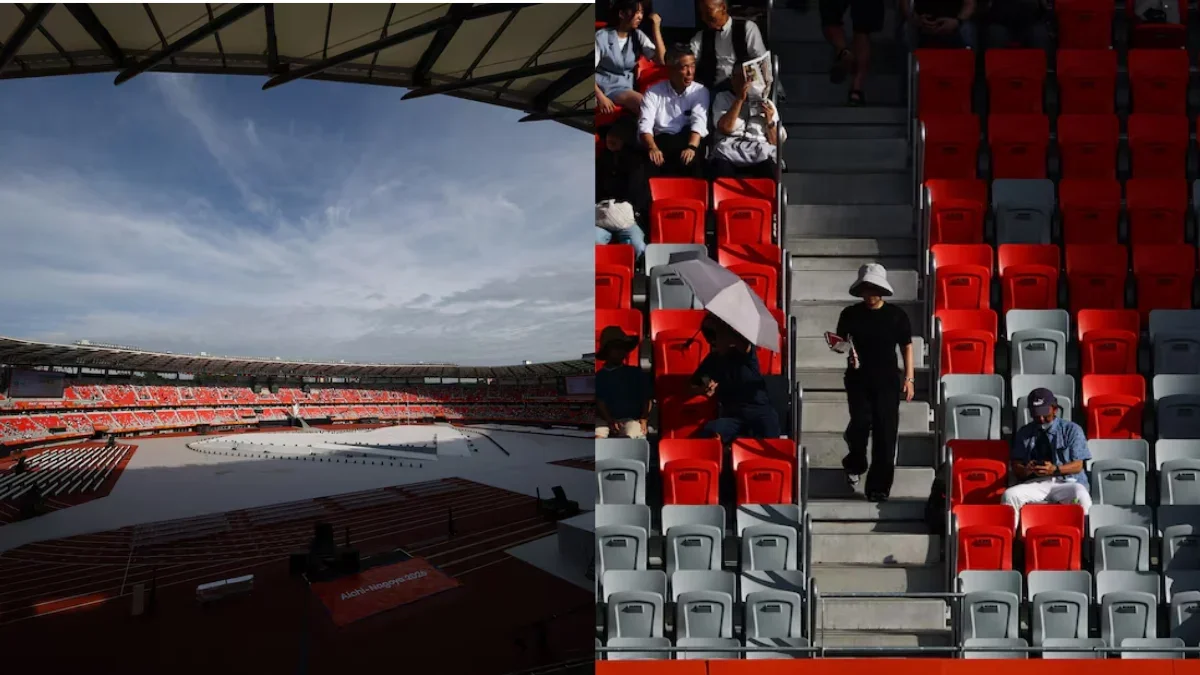
The 2026 Asian Games in Aichi-Nagoya, Japan, have begun amid unusual logistical problems surrounding athlete accommodation, room allocation and transportation. The Games officially opened on September 19 and will continue until October 4, with athletes and officials from 45 National Olympic Committees participating.
Unlike a conventional Asian Games, Nagoya does not have a single purpose-built Athletes' Village. Organisers instead planned a combination of hotels, temporary accommodation units and a cruise ship. The Olympic Council of Asia says more than 17,000 athletes and officials have been provided with Games-appropriate accommodation.
Why Are Athletes Complaining?
The accommodation model has produced several problems. South Korean officials reported shortages in the temporary container accommodation, while some basketball players complained that beds were too short for taller athletes. Reports also described leaking facilities and cramped conditions in some units.
India's contingent has faced its own logistical difficulties. Indian Express reported delays in room allocation, long waits and difficult commuting arrangements, with some shooters reportedly facing lengthy journeys to training facilities. Indian athletes staying aboard the Costa Serena also experienced room-allocation problems.
Cruise Ship Becomes Part of the Athletes' Village
The Italian cruise ship Costa Serena, around 290 metres long, is being used to accommodate thousands of participants. Around 4,000 athletes and officials are expected to stay aboard the ship, which has about 1,500 cabins.
The unusual arrangement was part of the organisers' strategy to use existing infrastructure and reduce the need for major new construction. The official Games website describes the use of cruise ships and movable accommodation as part of its sustainability approach.
Why It Matters
For elite athletes, accommodation is not simply about having a place to sleep. Recovery, nutrition, transport and access to training facilities can directly affect preparation during a multi-sport event.
Organisers have acknowledged complaints and said they are working to address accommodation concerns. At the same time, some athletes staying in conventional hotels have reported satisfactory conditions, showing that the experience differs significantly between delegations and locations.
The coming days will show whether the organisers can reduce the room, transport and coordination problems while competition continues across the region.