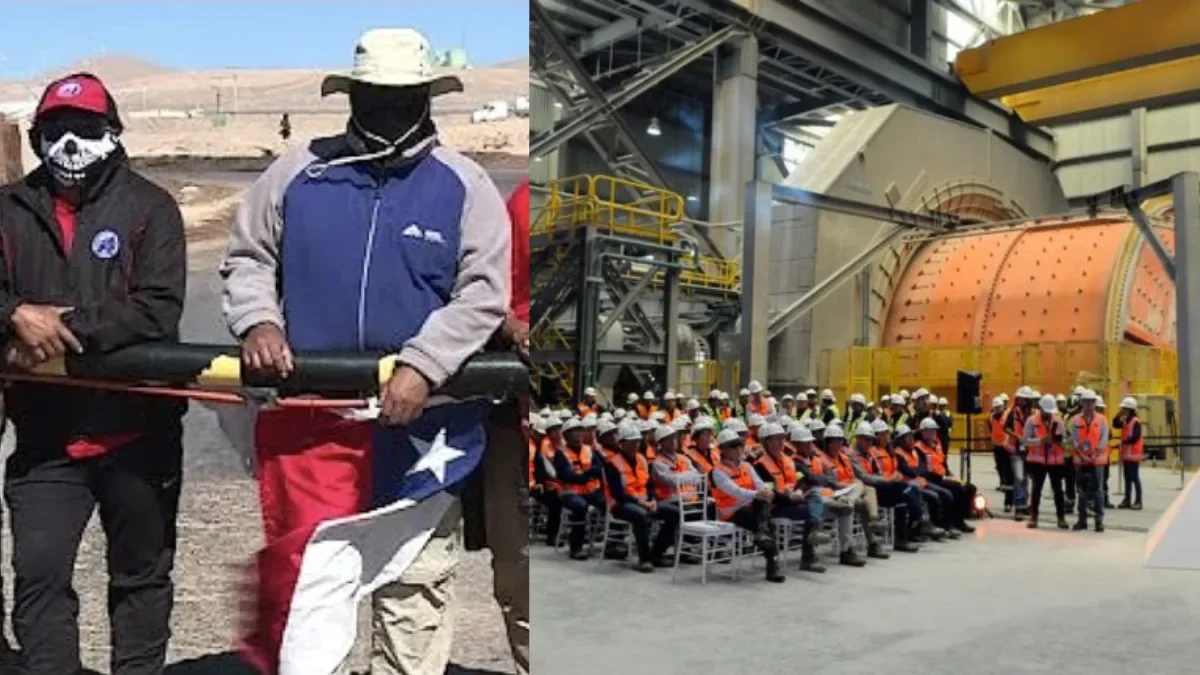
In a last-ditch effort to avoid a labor stoppage, management representatives from international mining giant BHP and delegates from the supervisors' union at Chile's Escondida copper mine are engaged in intensive discussions. The negotiations come at a delicate juncture, as both parties attempt to resolve ongoing disagreements surrounding compensation, benefits, and workplace conditions. With the Escondida operation ranking as the largest copper mine globally, the outcome of these talks holds significant ramifications not only for the local Chilean economy but also for international metal markets, supply chains, and industrial manufacturing sectors across the world.
What Is Prompting the Current Mediation and Potential Strike?
The underlying tension stems from contract negotiations between BHP management and the union representing supervisory and administrative staff members. Union members overwhelmingly rejected the company's previous collective bargaining offer, arguing that the terms failed to adequately account for inflationary pressures, productivity expectations, and overall working conditions. Following the rejection, formal government-facilitated mediation processes were initiated to establish a neutral framework for dialogue. The supervisors' union represents over 1,000 key workers responsible for overseeing daily operations, safety protocols, and technical output at the site. A walkout by this essential workforce directly threatens the operational continuity of primary mining, processing, and logistics activities.
Why Is the Escondida Mine Critical to Global Markets?
Escondida, situated in the Atacama Desert of northern Chile, accounts for approximately 5% of global copper production. As industries worldwide accelerate transitions toward renewable energy infrastructure, electric vehicle manufacturing, and expanded power grids, demand for high-grade refined copper remains consistently elevated. Industrial analysts note that even temporary work stoppages at a facility of Escondida's scale can tighten short-term supply forecasts, trigger price volatility on major commodities exchanges, and place stress on international buyers. Beyond immediate supply dynamics, the situation highlights broader industry-wide challenges, including rising operational costs, shifting labor expectations, and the need for operational resilience.
How Are Both Parties Approaching the Negotiation Table?
Both BHP representatives and union leaders entered the recent dialogue with the expressed goal of finding common ground. Company executives have emphasized the importance of securing a sustainable long-term agreement that balances worker compensation with operational productivity and capital investment needs. On the other side, union representatives maintain that their workforce deserves equitable share in the asset's economic output, alongside improved working hours and health coverage options. While the dialogue remains active, union leadership has reiterated its mandate to initiate a strike action should the ongoing mediation fail to yield a contract that satisfies member expectations.
Where Does Sustainable Reporting and Corporate Governance Fit In?
Labor relations and fair employment practices have become increasingly prominent components of modern corporate reporting frameworks. Environmental, Social, and Governance (ESG) criteria require global resources firms like BHP to maintain transparent communication regarding workforce rights, wage equity, and operational risks. For international stakeholders and ESG-focused investors, how a company handles high-stakes labor disputes serves as a key performance metric. Constructive, peaceful contract resolutions demonstrate a commitment to social sustainability, while prolonged labor disputes or strikes can introduce reputational risks, project delays, and financial unpredictability.
What Are the Next Steps for the Operations and Stakeholders?
As the mediation window nears its deadline, market participants, industry analysts, and local communities are closely monitoring every development from the talks. Should a comprehensive agreement be reached, normal operational schedules will proceed uninterrupted, stabilizing production targets. Conversely, if negotiations conclude without a signed contract, the union is expected to formalize strike protocols, prompting BHP to implement contingency measures to secure site safety and baseline infrastructure. The outcome of the present talks will provide a key indicator of how global mining operations navigate complex labor relations in an evolving industrial environment.