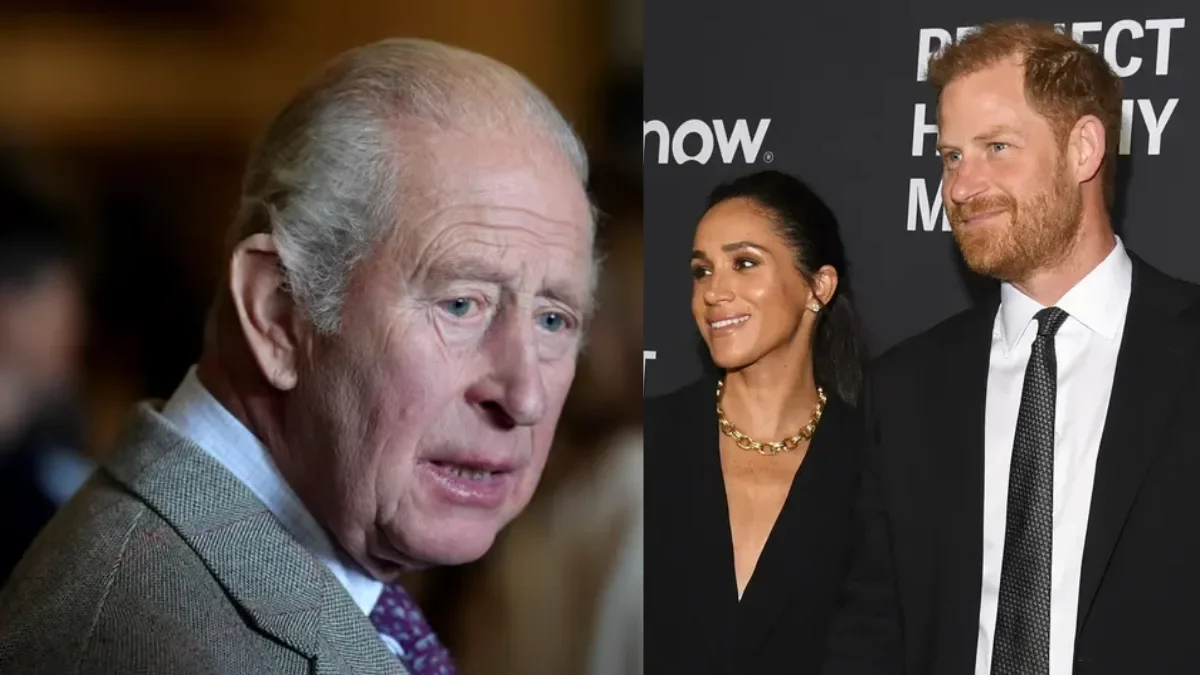
The British royal family is once again navigating a period of intense public scrutiny and internal friction following the unexpected relocation of Prince Harry and Meghan Markle back to the United Kingdom. After spending nearly six years based in California, the Duke and Duchess of Sussex returned to British soil late last month, settling into a private base in the Cotswolds region. While the move offered a brief summer respite from trans-Atlantic tensions, it has quickly triggered fresh institutional challenges for King Charles III and the wider House of Windsor.
What Prompted the Latest Royal Turmoil?
The return of the Sussexes caught the royal household somewhat off guard, immediately reviving long-standing debates over security arrangements, public funding, and official responsibilities. Although Prince Harry and Meghan have maintained a relatively low profile since arriving, impending public engagements—including Harry’s appearance at upcoming charity and Invictus Games events—have thrust them back into the media spotlight.
Compounding the tension, discussions have re-emerged regarding police protection and security protocols for the family during their extended stay. Reports indicate that security concerns have already influenced daily logistics, highlighting the complex reality of managing high-profile protection for non-working royals.
Palace Response and the Non-Working Status
In an effort to prevent any public ambiguity regarding their position, Buckingham Palace acted swiftly to define institutional boundaries. Under instructions from King Charles III, official guidance was issued to senior stakeholders in government, military, and institutional sectors, establishing that Harry and Meghan will not resume working royal duties.
Royal analysts describe the directive as a firm and deliberate statement of fact. While the King maintains a reconciled personal relationship with his younger son, the institution has made it clear that the door remains closed to any return of official duties or hybrid royal roles. Public sentiment in Britain appears largely aligned with this stance, with opinion polls indicating minimal backing for a return to active royal portfolios.
Why This Matters for the Monarchy's Future
This developing chapter carries long-term implications for how the modern British monarchy operates. As King Charles navigates his ongoing health treatments alongside a streamlined working royal family, managing external distractions remains critical. Observers note that the palace is keen to ensure that media narratives focus on official state duties rather than internal family dynamics.
For ordinary observers and royal watchers, the situation underscores the ongoing evolution of the House of Windsor as it balances traditional responsibilities with modern, fractured family realities. As Prince Harry steps back into the public eye for charitable commitments this week, all eyes will remain on how the monarchy manages this delicate coexistence.