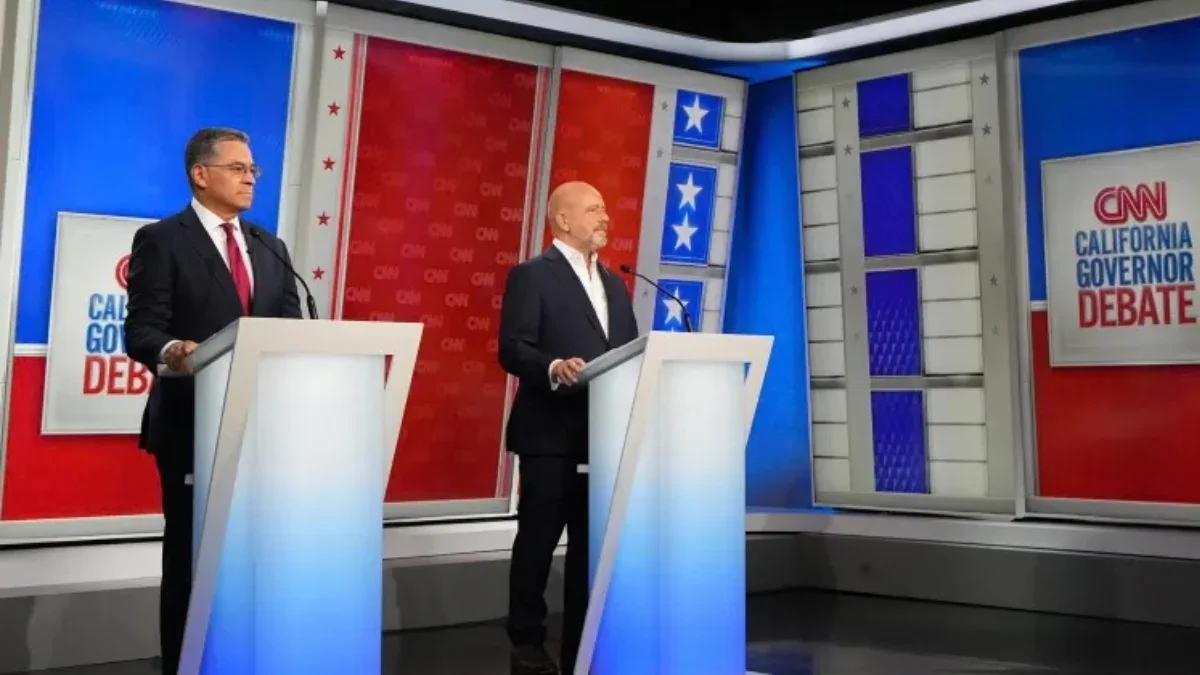
The debate immediately established a partisan battle line, with moderators pressing both contenders on key local challenges. Xavier Becerra anchored much of his defense and offense by targeting the federal administration, arguing that Republican policies would yield unfavorable outcomes for everyday residents. He emphasized his extensive background in public service while warning voters against conservative alternatives.
Steve Hilton pushed back by shifting attention toward Sacramento's leadership. The former Fox News host argued that single-party rule has created an unlivable financial landscape marked by severe housing shortages, excessive regulation, and rising living costs. Hilton maintained that substantial structural reform and significant rollbacks of bureaucratic red tape are vital to revitalizing the state economy.
Why Housing and Economic Pressures Dominate the Race
Voter frustration centers heavily on the high cost of living, which continues to drive discussions across the region. Economic pressures such as housing availability, taxation, and regulatory burdens remain central points of disagreement between the two camps.
Becerra proposed addressing financial hurdles through targeted state investments, consumer protections, and bureaucratic streamlining. Conversely, Hilton advocated for sweeping deregulation, suggesting that cutting state oversight would encourage private development, foster new housing corridors, and stimulate job growth.
How National Politics Shape California's Local Future
The debate underscored how deeply federal politics influence state-level elections. By frequently invoking the presidential administration, Democratic campaigners seek to energize their base around broader ideological lines. At the same time, Republican strategists attempt to localize the contest by focusing strictly on regional grievances, pointing to local taxes, energy expenses, and cost-of-living metrics as failures of the ruling party. As the election approaches, both candidates face the challenge of convincing undecided voters whose vision best addresses the state's complex future.