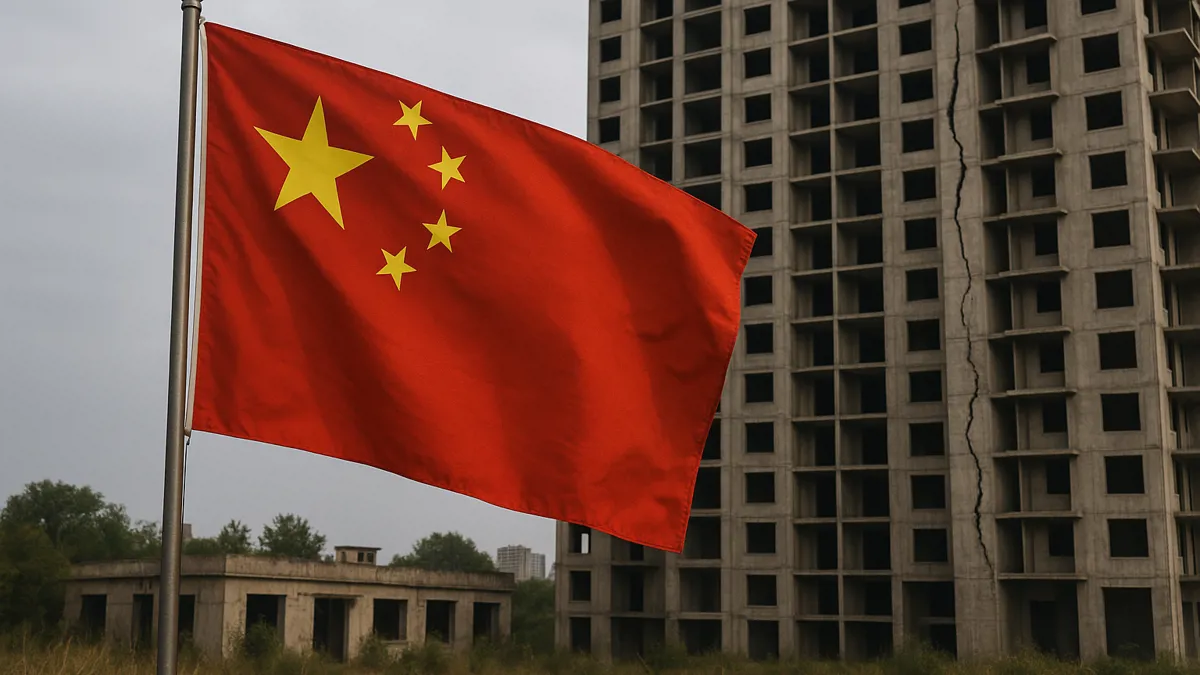
China's ongoing property market decline has revealed significant vulnerabilities within the local government financing model, which has long depended on land sales and off-budget borrowing. The resulting fiscal pressures are increasingly affecting businesses, workers, and overall economic growth, according to a report from the East Asia Forum.
Historically, land finance provided local governments with financial flexibility that the formal fiscal system could not match. Following the 1994 tax-sharing reform, local governments maintained responsibility for a substantial share of public services and development while facing restricted revenue-raising capabilities. Consequently, these governments turned to the sale of land-use rights and off-budget financing, frequently using land assets as collateral, the report explains.
This financing model facilitated infrastructure development, urbanization, and supported China’s growth driven by investment. It fostered competition among local officials for investments and economic expansion. However, the reliance on income from land revenue has made local finances particularly susceptible to fluctuations in the property market.
In 2021, during the height of China’s housing market, revenue from land-related activities—including land sales and associated taxes—comprised nearly half of local governments' consolidated revenue, equating to approximately 10 percent of the country's GDP. Yet by 2025, this figure is anticipated to drop to about 25 percent of local revenue, under 5 percent of GDP. It’s important to note that actual demand for land might have been overestimated, as local government financing vehicles were significant purchasers of land, inflating the reported land-sale revenues during the boom period, the report states.
The sharp decrease in land-related income has now unveiled the extent of debt accumulated by local governments during the property boom. From 2019 to 2023, the costs associated with servicing official local government debt, which encompasses both principal and interest payments, escalated from approximately 8 percent of local revenue before central government transfers to 18 percent. Additionally, the burden of off-budget borrowing has intensified, with much of the debt incurred during the boom against land collateral, leaving financing vehicles increasingly vulnerable as land prices and transactions decline. Regions heavily laden with debt, such as Guizhou, have formally sought increased support from Beijing as they struggle to manage their growing financial obligations.
Source
Edited with AI assistance.
Featured image: AI-generated editorial illustration.