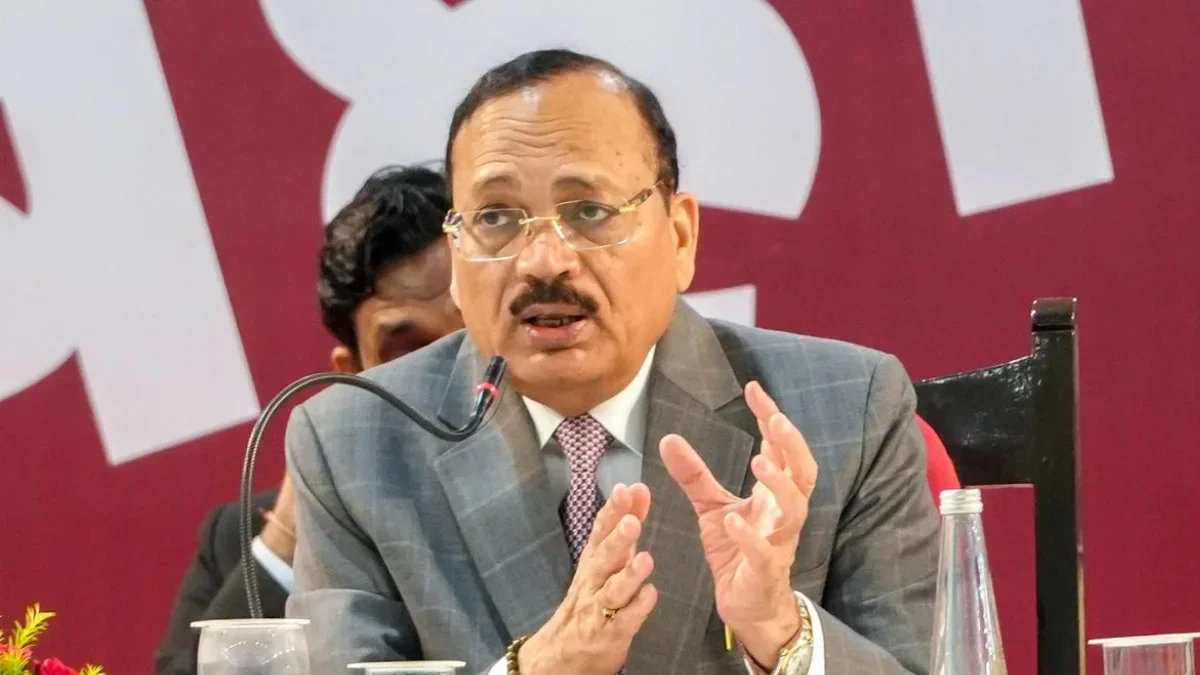
Chief Justice of India Surya Kant affirmed that peaceful democratic and political demonstrations form an essential component of a constitutional democracy, but emphasized that the Supreme Court of India must not be drawn into political rivalries or converted into an arena for public agitations. Speaking from the bench during proceedings in open court, CJI Kant clarified that the highest judicial institution remains strictly neutral toward political affiliations and that judicial operations must proceed without hindrance, irrespective of ongoing public unrest.
What Prompted the Statement from the CJI?
The remarks were delivered while the CJI was heading a three-judge Bench alongside Justice Joymalya Bagchi and Justice V. Mohana. The bench was addressing matters brought forward by senior legal representatives regarding regional protests in New Delhi and the associated movement disruptions impacting legal professionals. In response, Chief Justice Kant explicitly highlighted that designated protest grounds, such as Jantar Mantar, are available for civic and political expressions, rendering the precincts of the apex court inappropriate for demonstrations.
Who is Affected by Court Precinct Disruptions?
The Chief Justice voiced concerns for all key stakeholders who rely daily on the smooth operation of the apex court, specifically pointing to:
Litigants seeking timely judicial remedies without physical barriers or delays.
Lawyers and Advocates requiring unhindered access to courtrooms to represent their clients effectively.
Supreme Court Staff responsible for maintaining administrative workflows and official judicial documentation.
The CJI requested all organizing groups to respect the institutional boundaries of the judiciary, stressing that any impediment or physical obstruction to court visitors directly threatens the administration of justice.
Why Must Judicial Integrity Be Separated from Agitations?
Underlining the fundamental mandate of the court, Chief Justice Kant asserted that the Supreme Court operates independently of political disputes, partisan interests, or executive controversies. While acknowledging the constitutional legitimacy of peaceful public assembly, the bench noted that allowing court premises to be used as protest venues risks compromising the institutional authority and day-to-day functionality of the justice system.
How Will the Court Maintain Smooth Functioning Moving Forward?
To safeguard the judicial process, the three-judge Bench reiterated that public demonstrations must strictly utilize designated civic sites in accordance with local regulations. The court made it clear that while citizens possess the right to express grievances, judicial mechanisms will actively prevent any political faction or activist group from using the Supreme Court complex as a stage for political leverage.