In a recent commentary published in The Friday Times, Amna Ejaz Rafi addressed the pressing issue of food security in Pakistan, arguing that climate change poses an existential threat to the nation’s agriculture. The article, dated October 4, 2026, emphasized that Pakistan must prioritize modernization within its agricultural sector to combat growing food insecurity [1].
Rafi noted that parts of Pakistan are experiencing extreme heat, which has resulted in increased hydrological volatility. This climatic pressure is adversely affecting crop yields, coinciding with declining water levels. With the country's population currently at approximately 240 million and projected to soar to 300 million by 2050, these factors complicate an already strained food supply situation [1].
Highlighting the economic implications, the commentary stated that Pakistan's food import bill reached US$8 billion in the fiscal year 2025. In response, Rafi called for significant modernization efforts, which would include the adoption of advanced farming techniques, the utilization of genetically modified seeds, enhancements in irrigation systems, infrastructural improvements, farmer training, better market access, and the construction of small dams [1].
Rafi also pointed to recent livestock losses resulting from floods and underscored the reliance of rural households on income from livestock, framing these challenges as further justification for a comprehensive modernization of agriculture [1].
The discussion surrounding agricultural challenges in Pakistan has been reinforced by reports from independent institutions. The Asian Development Bank, in its August 2026 report, identified that climate change and extreme weather events are increasingly jeopardizing food security. The bank emphasized that effective transformation of the agriculture sector hinges on the adoption of climate-responsive strategies and significant investment [2].
Furthermore, Pakistan's Ministry of National Food Security and Research is actively working on reforms aimed at modernization. In 2026, the ministry outlined its agricultural roadmap, which includes mechanization, reforms in seed systems, revival of cotton production, value addition processes, enhanced access to finance, and growth in export potential [3].
Reports from the IPC Pakistan Acute Food Insecurity Analysis covering December 2025 to September 2026 corroborate the aforementioned pressures. The analysis indicated that household food availability continues to be hindered by a myriad of obstacles including climate shocks, market inefficiencies, limited access to productive resources, water scarcity, rising costs, and infrastructure deficiencies. It further advocates for improved disaster preparedness and upgrades to water infrastructure in vulnerable districts [4].
Overall, there is a consensus among various sources and reports that Pakistan’s agricultural sector is facing mounting challenges due to climate and water-related pressures. These pressures threaten food security and underline the urgent need for modernization proposals, as articulated by Rafi in her recent commentary [1].
Sources
- [1] Climate Change: The Existential Threat To Pakistan’s Food Security
- [2] Enhancing Competitiveness, Sustainability, and Resilience in Pakistan’s Agribusiness Through Climate-Responsive Strategies | Asian Development Bank
- [3] Ministry of National Food Security & Research
- [4] Pakistan: Acute Food Insecurity Situation for December 2025–March 2026 and Projection for April–September 2026 | IPC - Integrated Food Security Phase Classification
Researched and edited with AI assistance.
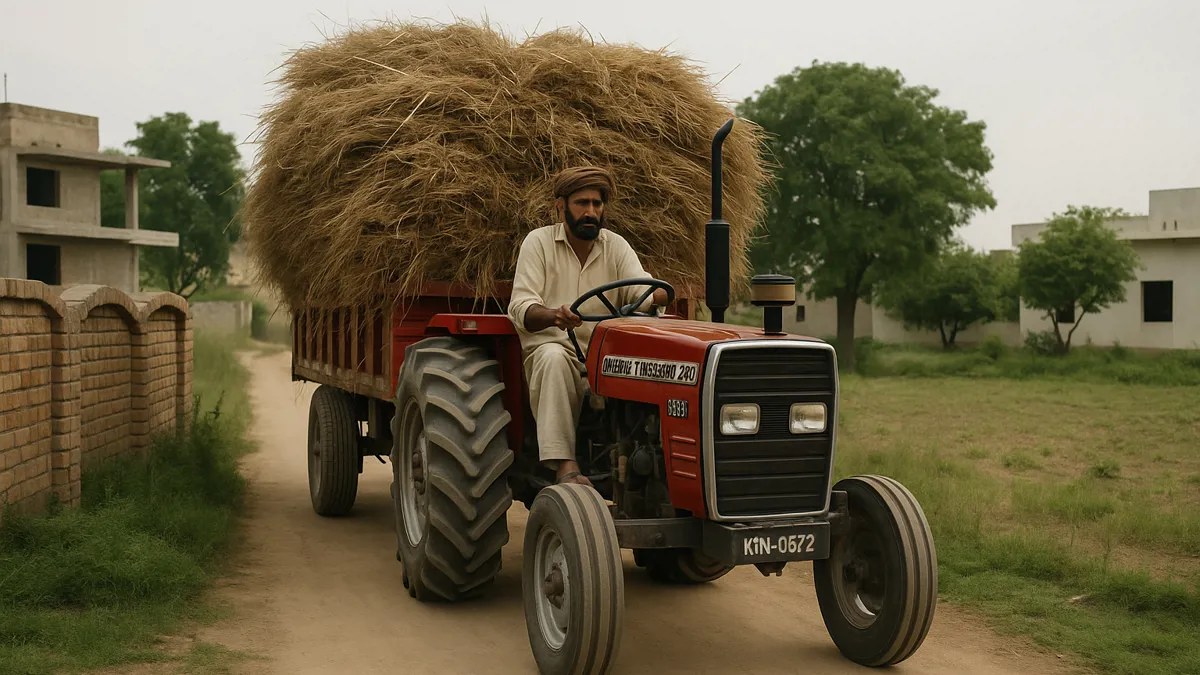
Featured image: AI-generated representative image.