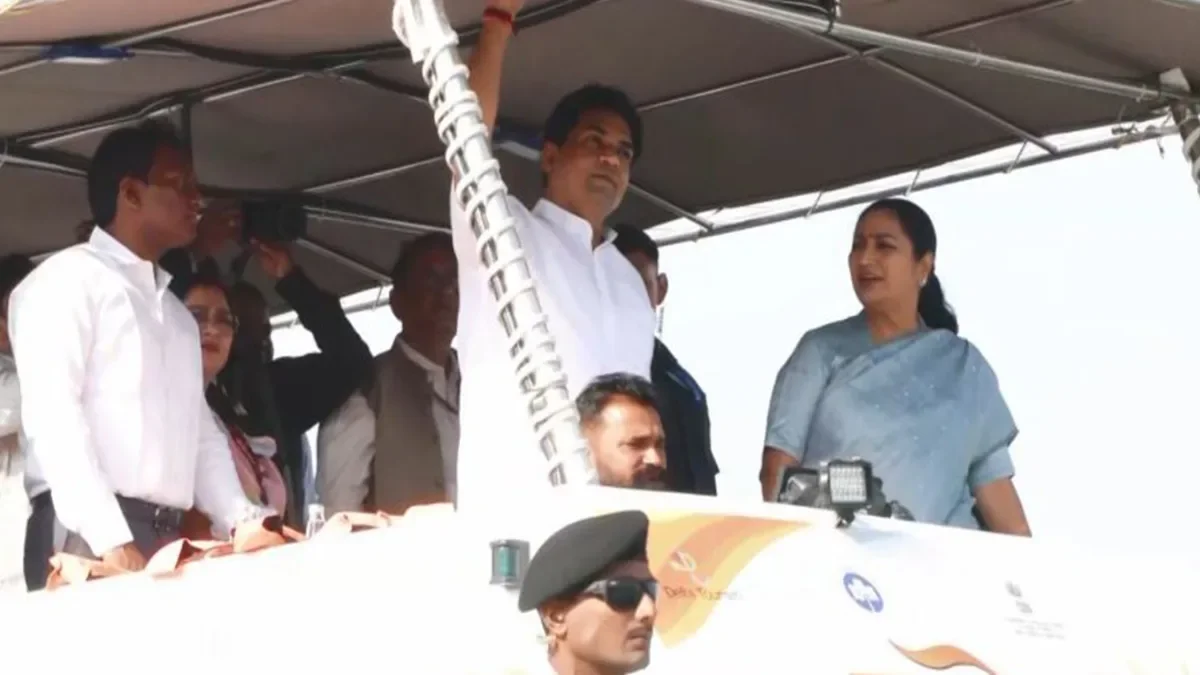
Delhi Chief Minister Rekha Gupta, alongside city administration officials, has inaugurated and inspected key environmental and tourism projects designed to revitalize the Yamuna River. A central milestone in this effort is the launch of the "Namo Yamuna River Safari," an eco-tourism project created to reconnect citizens with the river waterway.
The river safari project coincides with comprehensive infrastructural initiatives, including an ₹8,941 crore financial allocation aimed at modernizing Delhi’s sewerage treatment network, upgrading wastewater management plants, and diverting pollutants before they enter the riverbed. This dual strategy combines strict environmental remediation with public interaction to transform the riverfront into a clean, accessible civic space.
Why Is the River Safari Initiative Being Launched Now?
For decades, the Yamuna River faced critical ecological degradation due to industrial discharge, untreated municipal sewage, and urban runoff. The introduction of river safaris represents a tactical shift from passive pollution monitoring to proactive riverfront development.
By creating structured tourism opportunities on the river, the government seeks to foster public oversight and interest. The strategy works on two levels:
Environmental Accountability: Active public presence on the water creates natural oversight, discouraging unlawful dumping and keeping government agencies accountable for water quality maintenance.
Economic and Eco-Tourism Value: Transforming the river corridor into a cultural and recreational zone generates local revenue streams while shifting public perception of the Yamuna from a sewage route to a vital community resource.
Who Is Leading the Action Plan on the Ground?
The comprehensive cleanup and monitoring campaign is being spearheaded by Chief Minister Rekha Gupta, supported by Delhi Minister Kapil Mishra and various municipal development boards. The initiative relies heavily on public-private cooperation, civic action, and community engagement.
Massive community drives, such as the "Chalo Yamuna" campaign, have engaged thousands of civic volunteers, local organizations, and municipal workers across dozens of riverbank ghats to clear solid waste and debris from the shoreline.
How Will the Project Ensure Long-Term Water Cleanliness?
Sustaining clean water for the safari and general ecology requires addressing pollution at its origin. The broader plan outlines technical interventions across three major areas:
Sewerage Infrastructure Upgrades: Building new sewage treatment plants (STPs) and upgrading existing facilities to handle millions of gallons of daily wastewater output.
Drainage Interception: Constructing interceptor drains to treat toxic discharge from major municipal drains before it discharges into the main river channel.
Desilting and Shoreline Restoration: Clearing accumulated silt from the riverbed to allow natural flow and restoring native vegetation along riverbanks to prevent soil erosion and naturally filter surface runoff.
When Can the Public Expect Complete River Rejuvenation?
The implementation timeline follows a multi-phased roadmap. The immediate phase focuses on the soft launch and operational testing of the Namo Yamuna River Safari on selected, cleaned stretches of the river. Intermediate targets center around the completion of major drain interception projects and STP installations. The overall long-term objective sets a targeted horizon to achieve sustained water quality standards suitable for aquatic life and public recreation across the entire Delhi segment.