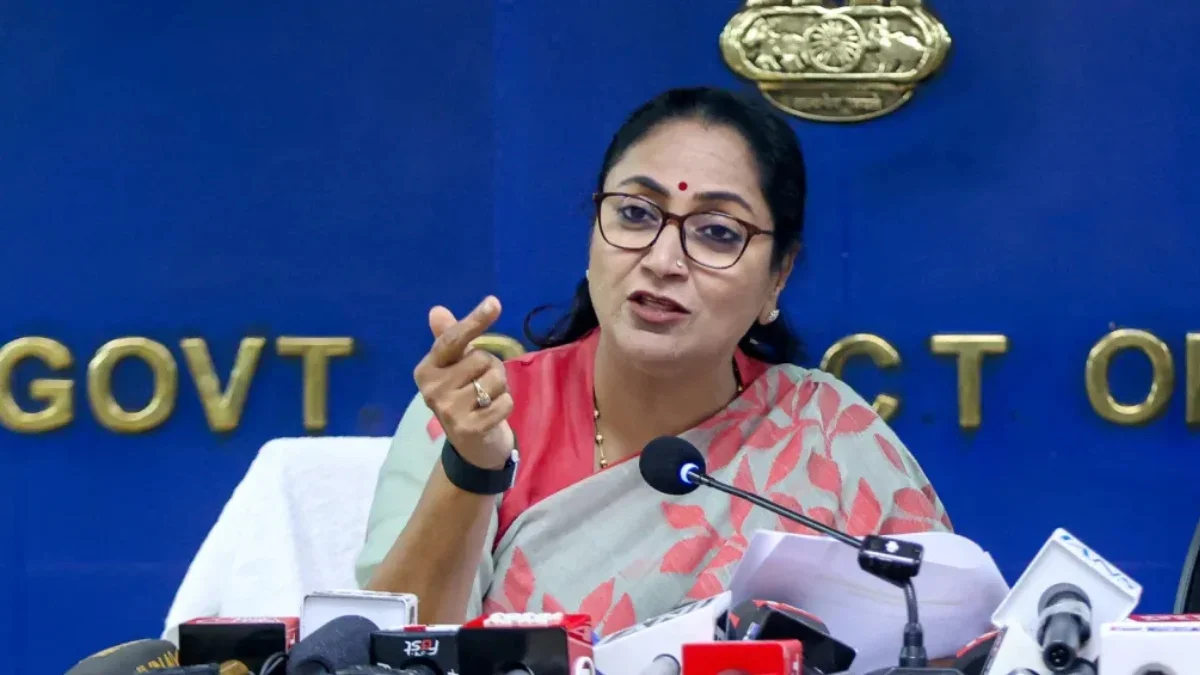
To curb alarming air pollution levels across the National Capital Region (NCR), Chief Minister Rekha Gupta announced a comprehensive 10-point Winter Action Plan set for enforcement starting November 1. The multi-pronged strategy targets vehicular emissions, heavy traffic bottlenecks, industrial compliance, and dust regulation to keep toxic smog at bay through February 28.
What are the major vehicle rules coming into effect on November 1?
Vehicular emissions remain one of the primary contributors to Delhi’s toxic winter air. Under the new guidelines, non-BS6 emission compliant vehicles registered outside Delhi will be strictly prohibited from entering the capital. Exemptions are granted only to electric vehicles, CNG transport, and essential supply trucks.
Furthermore, fuel stations across Delhi-NCR will enforce a strict "No PUC, No Fuel" policy. Automated License Plate Recognition (ALPR) cameras and ground inspection teams will verify Pollution Under Control certificates before fuel is dispensed.
Why are parking charges being doubled across the capital?
To actively discourage the use of private motor vehicles and reduce road congestion, parking fees at all government-authorised parking facilities will be doubled starting November 1 through February 28. The price hike aims to push commuters toward public transit options like electric buses and the Delhi Metro network. However, to avoid unfairly penalizing regular public transport commuters, this fee hike will not apply to facilities managed directly by the Delhi Metro Rail Corporation (DMRC).
How will work-from-home mandates and staggered timings function?
To significantly decrease road congestion during peak transit hours, the government has directed both public and private entities to implement a mandatory 50% Work-From-Home (WFH) policy. Half of the total workforce will work remotely on rotation to lower daily vehicular trips.
In tandem with WFH orders, office operating hours are being staggered across different municipal sectors:
Hindustan Times
Municipal Corporation of Delhi (MCD) Offices: Operating from 8:30 AM to 5:00 PM.
Delhi Government (GNCTD) Offices: Operating from 10:00 AM to 6:30 PM.
What steps are being taken to control industrial and dust pollution?
Beyond vehicular traffic, strict anti-dust and anti-industrial measures are scheduled for deployment. Construction and demolition sites must adhere to strict dust mitigation guidelines, with real-time AI monitoring systems deployed to track compliance. Non-compliant units face immediate shutdown. In addition, industrial surveys have identified non-conforming manufacturing units operating without clean-fuel standards, leading to the sealing of over 2,200 violating facilities across industrial zones.
How can citizens adapt and contribute to these measures?
Authorities are encouraging residents to adopt green mobility solutions. Commuters can leverage over 5,000 electric buses running throughout the network and use dedicated transit apps for seamless last-mile connectivity. Carpooling, routine vehicle maintenance checks, and adhering to WFH directives are strongly recommended to help protect public health during the critical winter months ahead.