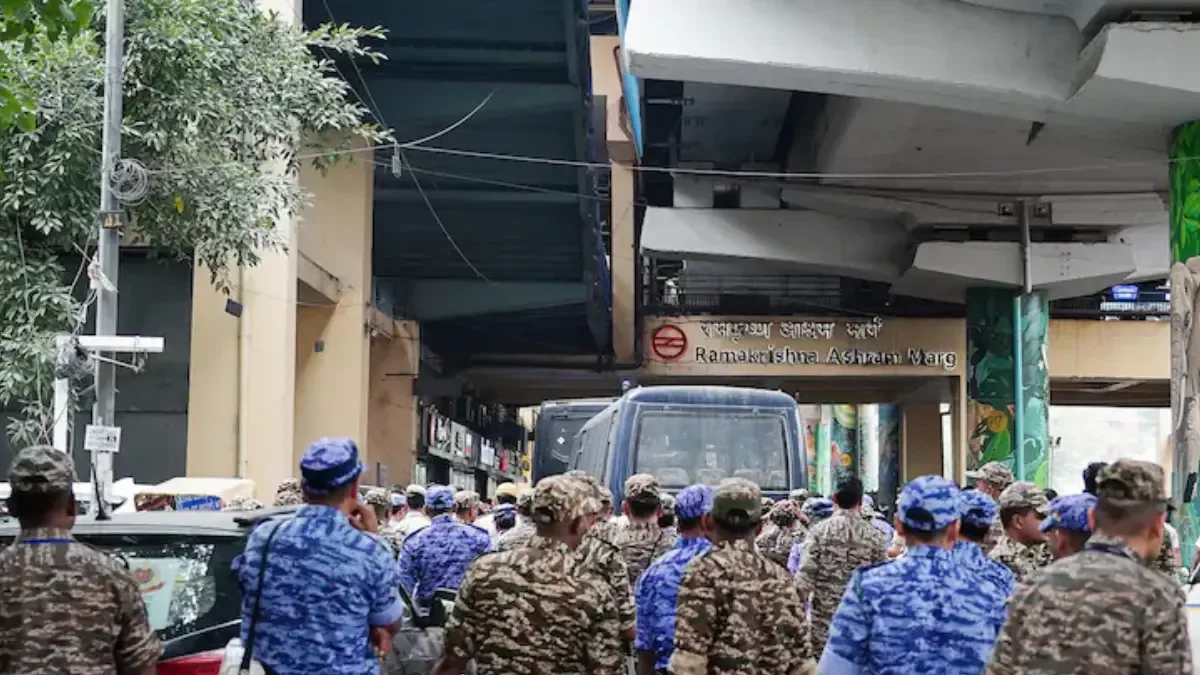
Authorities in Delhi have restricted movement across key central zones by closing several metro stations, erecting heavy road barricades, and deploying thousands of security personnel ahead of fresh protests targeting Chief Election Commissioner Gyanesh Kumar.
What Triggered the Latest Metro Closures and Traffic Restrictions?
The administrative clampdown follows calls by major opposition parties and civil activist groups to march toward key central landmarks, including Jantar Mantar and the Supreme Court. Protesters are demanding the resignation of the Chief Election Commissioner over allegations surrounding electoral roll modifications and controversial voter list updates. In response to anticipated mass turnouts, security forces implemented preventative mobility controls to prevent large groups from congregating near sensitive political corridors.
Who Is Involved in the Protests and Mass Mobilization?
The agitation is led by opposition alliances, student unions, and civic activist networks. Party leaders and political organizations allege widespread irregularities in the latest electoral updates, claiming millions of legitimate voters were excluded. On the other side, government officials and election authorities maintain that the voter roll updates are part of routine, legally mandated administrative procedures.
Where in Delhi Are Transport and Commutes Most Affected?
The security measures primarily target Central and New Delhi. Selected metro stations along heavily transit-dense lines—including the Yellow, Blue, and Red lines—have seen entry and exit gates closed. Key arterial intersections surrounding Jantar Mantar, Parliament Street, and roads leading to the Supreme Court have been heavily barricaded, causing severe traffic slowdowns across border checkpoints linking Delhi with Haryana and Uttar Pradesh.
Why Have Legal and Public Debates Escalated Over Restrictions?
The scale of transit closures has sparked intense public discussion regarding government security actions versus public freedom of movement. Earlier judicial observations reminded authorities to adhere to the principle of proportionality, warning against overreaching public transport prohibitions that disrupt daily life for millions of working commuters. Critics argue that preemptive transport shutdowns function as non-official curfews, while security agencies defend the measures as essential precautions to maintain law and order.
How Are Authorities and Citizens Managing the Situation?
Delhi Traffic Police issued detailed travel advisories urging citizens to avoid central corridors and utilize public transportation options unaffected by the shutdown. Commuters traveling toward major railway terminals, inter-state bus hubs, and the airport have been advised to account for significant delays. Meanwhile, protest organizers insist they will press forward with non-violent demonstrations until their constitutional concerns regarding election integrity are formally addressed.