The Election Commission of India has hit back at opposition claims regarding alleged unilateral changes to voter registration Form 6. This response follows Supreme Court observations examining administrative records, triggering an intense political standoff between Congress leaders and the poll panel.
What Sparked the Form 6 Controversy?
The controversy erupted after the Supreme Court observed during a hearing that modifications made to Form 6—the mandatory document utilized for new voter registrations—had not received formal clearance from the judicial bench. The bench indicated that it would examine official records to determine who authorized alterations concerning ancestry information and specific declarations linked to special revision cycles.
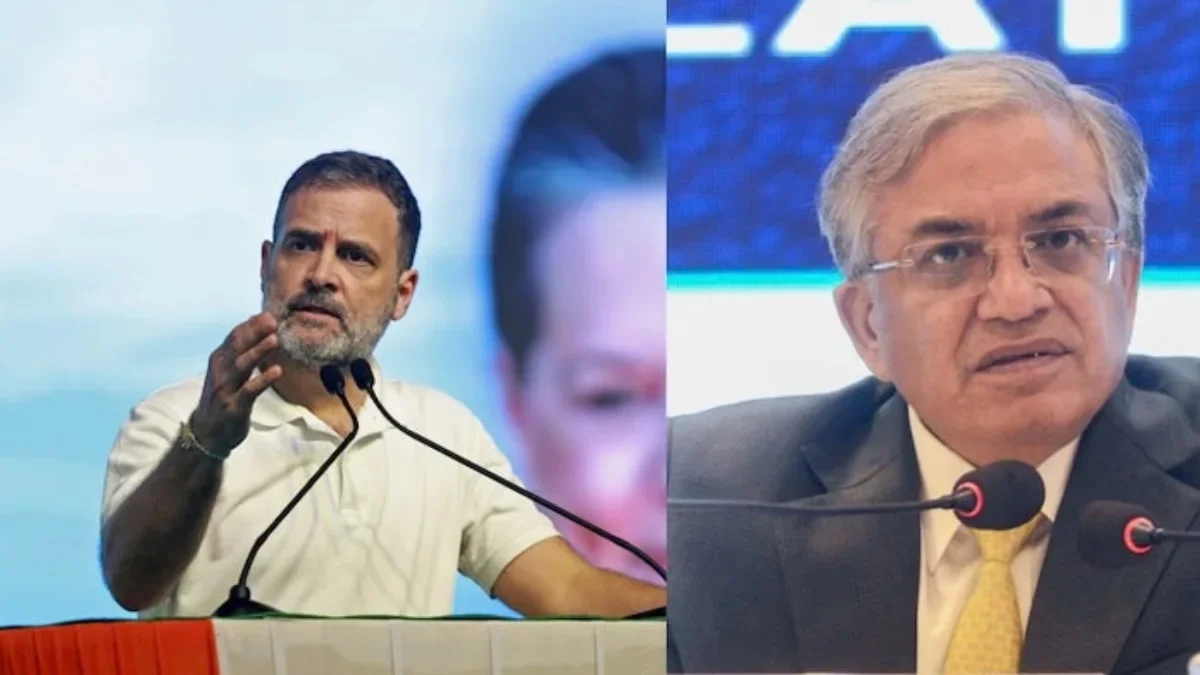
Opposition leaders quickly seized upon this judicial remark. Congress leader Rahul Gandhi publicly targeted Chief Election Commissioner (CEC) Gyanesh Kumar, arguing that the court's stance confirmed the form had been modified outside authorized channels. The opposition asserted that such adjustments compromised administrative integrity and demanded strict accountability from the poll panel leadership.
How Did the Election Commission Respond?
Rejecting the allegations as baseless and misleading, the ECI defended its stance through official public statements. The Commission clarified that the underlying orders for the Special Intensive Revision (SIR) processes—such as those initiated in Bihar—received unanimous approval from the full panel and were previously upheld through judicial verdicts.
Furthermore, the poll panel pointed to earlier press notes emphasizing that supplementary declarations tied to voter registration updates complied with established legal frameworks. The ECI maintained that the statutory core of Form 6 remained intact, and supplementary fields were introduced solely to streamline verification, though certain online portal requirements were subsequently adjusted or removed in non-revision states.
Why Is This Political Standoff Significant?
This evolving confrontation underscores the delicate balance of institutional independence and democratic oversight in India's electoral framework. With the Supreme Court calling for transparency and demanding the submission of records detailing who sanctioned the modifications, institutional procedures are under intense scrutiny.
As political parties amplify calls for systemic accountability and structural transparency, the dispute continues to shape broader national discourse regarding election management bodies, regulatory powers, and the mechanisms governing voter roll updates.