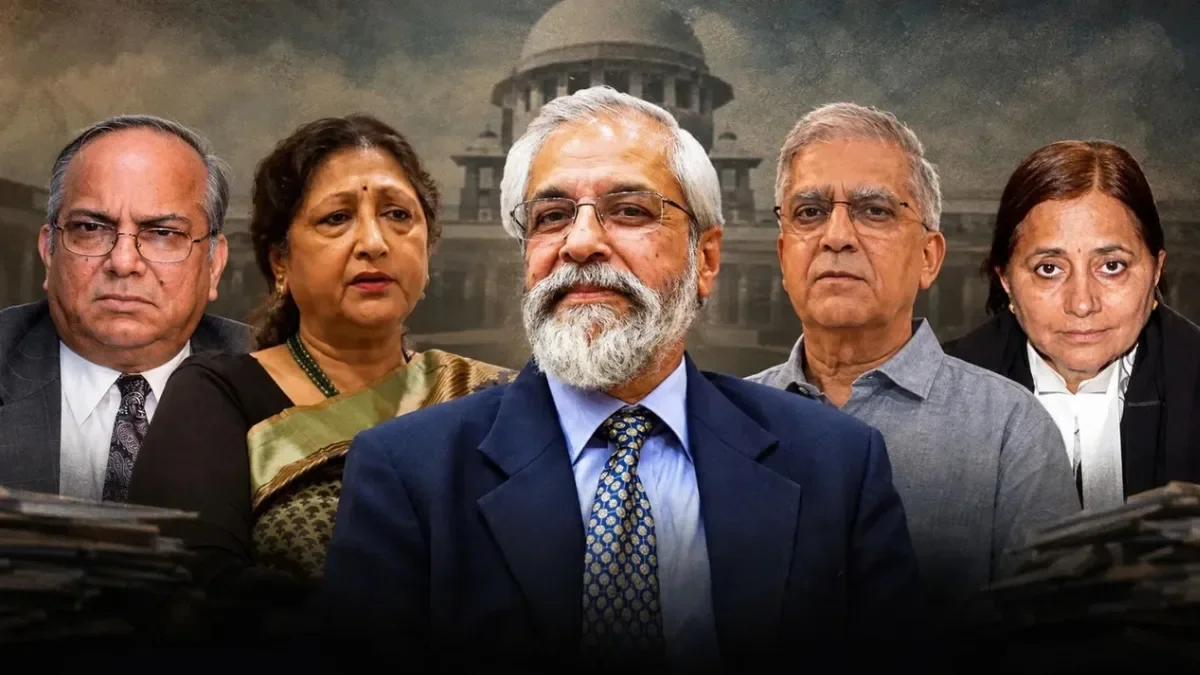
The formation of an independent panel by the legal fraternity marks a significant development regarding electoral roll revisions in India. As public scrutiny intensifies over the management of voter lists, the initiative aims to bring judicial oversight and systematic evaluation to a process that affects millions of citizens.
Why Was the Panel Formed?
The initiative stems from widespread public and civil society concerns regarding the design, implementation, and immediate consequences of the Special Intensive Revision (SIR). Citizens and legal experts raised critical questions about how rolls were updated, pointing to potential discrepancies, inadvertent exclusions, and procedural bottlenecks. To address these grievances transparently, the Lawyers Association for Constitution (LAFC) stepped forward to anchor an independent fact-finding mission.
Rather than relying solely on administrative explanations, the initiative provides a neutral platform where affected individuals, civil society groups, and technical experts can voice their experiences.
Who Leads the Inquiry?
The five-member independent commission brings together extensive legal and judicial experience from India's highest judicial forums:
Chairperson: Justice Madan B. Lokur, former Judge of the Supreme Court of India.
Members: Justice A.K. Patnaik (former Supreme Court Judge), Justice Badar Durrez Ahmad (former Chief Justice of the Jammu and Kashmir High Court), along with former High Court judges Justice Rekha Sharma and Justice Anjana Prakash.
Additionally, a formidable team of senior legal practitioners—including Kapil Sibal, Prashant Bhushan, Raju Ramachandran, Vrinda Grover, and others—will provide strategic legal counsel to support the panel's investigative framework.
How Will the Panel Function?
Operating with complete autonomy, the commission has outlined a comprehensive evaluation strategy:
Statutory and Constitutional Review: Assessing whether the administrative implementation aligned with established legal safeguards and constitutional rights.
Methodological Audits: Examining how entries were scrutinized, retained, or dropped during the revision phases.
Public Hearings: Organizing regional and full benches to travel across different locations to record testimonies directly from affected voters and local organizations.
The panel is operating on an expedited timeline, with an official mandate to compile its observations, findings, and formal recommendations into a comprehensive report targeted for public release by December.
What Lies Ahead for Voters?
As the independent panel commences its inquiry, parallel administrative efforts—such as special door-to-door verification drives and Form 6 re-enrolment pathways—are simultaneously underway through election machinery to catch genuine left-out voters. However, complex challenges remain, particularly regarding pending tribunal cases and parallel verification routes in states like West Bengal. The findings of the ex-judges panel are expected to offer vital insights and structural recommendations to safeguard electoral integrity and voter confidence moving forward.
source link : Ex-Judges Panel to Review SIR Aftermath