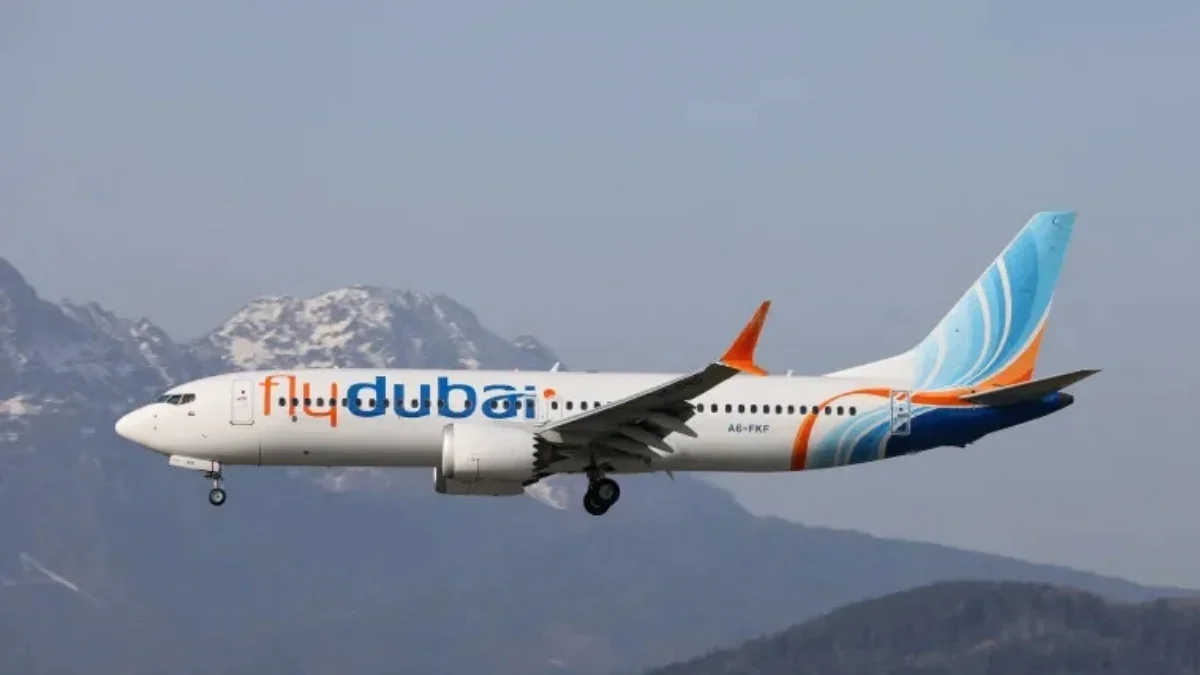
The aviation industry was shaken when a routine commercial journey transformed into a high-altitude security crisis. According to ongoing international inquiries, the individual seated in the cockpit had a prior employment history in Oman, where aviation and security watchdogs had restricted him from active flight duties. These restrictions were imposed due to mounting intelligence and behavioral red flags indicating that he had embraced radical and extremist ideologies. Despite these prior warnings in his home country, the pilot managed to secure subsequent employment with FlyDubai based in the United Arab Emirates, bypassing standard predictive filters that are supposed to catch compromised personnel.
Why Did Screening Lapses Occur?
The incident has triggered intensive scrutiny regarding cross-border background checks and airline hiring protocols in the Middle East. Aviation security analysts point out systemic vulnerabilities in how regional airlines share per
What Role Do External Geopolitical Factors Play?
As counter-terrorism units parse through the digital and personal footprint of the co-pilot, intelligence agencies are examining potential external state actors. Specifically, investigators are evaluating whether any logistical or inspirational links tie back to Iran. However, diplomatic and security officials have emphasized that there is currently no verified evidence connecting Tehran directly to the cockpit assault. The investigation remains fluid, balancing potential lone-actor radicalization models against broader geopolitical tensions currently rippling through West Asia.