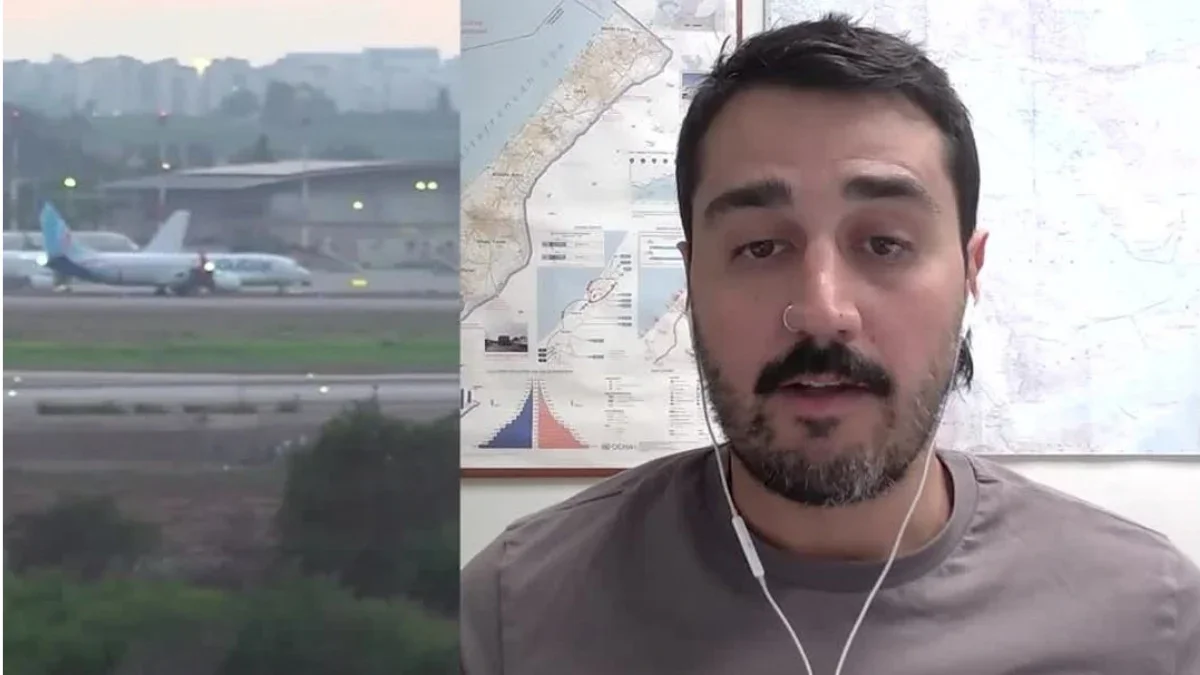
Commercial aviation safety relies heavily on cockpit protocols, but rare and unprecedented emergencies test the boundaries of human resilience. Recently, a flydubai flight bound for Israel turned into a scene of absolute terror when an in-flight security crisis unfolded. Reports indicated that the co-pilot violently attacked the captain, precipitating a steep and terrifying descent that put 174 lives on board at immediate risk.
World leaders, including US President Donald Trump and Israeli Prime Minister Benjamin Netanyahu, quickly came forward to express shock and commend the extraordinary bravery displayed by the crew and passengers. The incident has since triggered intensive international discussions regarding cockpit security, crew background checks, and the psychological screening of aviation professionals.
Who is Captain Smit Machchhar?
The captain at the center of this harrowing event has been identified as Smit Machchhar, a seasoned Indian national serving as a direct-entry captain for flydubai. With over a decade of commercial flying experience and thousands of hours logged predominantly on Boeing 737 aircraft, Captain Machchhar demonstrated exceptional composure under extreme physical duress.
Despite being stabbed and severely injured during the initial moments of the attack, Machchhar managed to push through his injuries to unlock the cockpit door and alert people in the cabin. His refusal to give up allowed passengers and off-duty personnel to rush to the flight deck, subdue the rogue co-pilot, and prevent a catastrophic crash. Leaders like Benjamin Netanyahu hailed him as a "true hero," while the Indian Embassy and diplomats monitored his medical recovery in Saudi Arabia.
How Did Passengers Help Stabilize the Aircraft?
As the aircraft entered a dramatic tailspin—plunging thousands of feet in less than a minute—quick-thinking passengers sprang into action. Among them was an Israeli passenger identified as a plumber, alongside a dentist on board.
According to accounts shared by political leaders and survivors, the plumber rushed into the cockpit during the struggle, pulled back the controls to steady the diving aircraft using basic knowledge he recalled from aviation television programs, and helped restrain the attacker alongside other passengers and crew. Shortly after, alternative pilots travelling on the flight took over command, stabilizing the Boeing 737 MAX and executing a safe emergency landing in Tabuk, Saudi Arabia.
Why This Incident Matters for Global Aviation
This shocking event has sent ripples through the global aviation community, raising urgent questions about single-occupancy cockpit vulnerabilities, mental health evaluations for flight crew, and inflight security protocols. Aviation authorities across the Middle East and internationally are reviewing mandatory security checks to ensure co-pilots and captains undergo rigorous psychological monitoring.
While investigations continue into the motives of the rogue co-pilot, the event stands out in aviation history as a testament to extraordinary individual courage. The coordinated efforts of a wounded Indian captain, a resourceful plumber, medical professionals on board, and cooperative cabin crew ultimately turned a potential tragedy into a miraculous survival story.