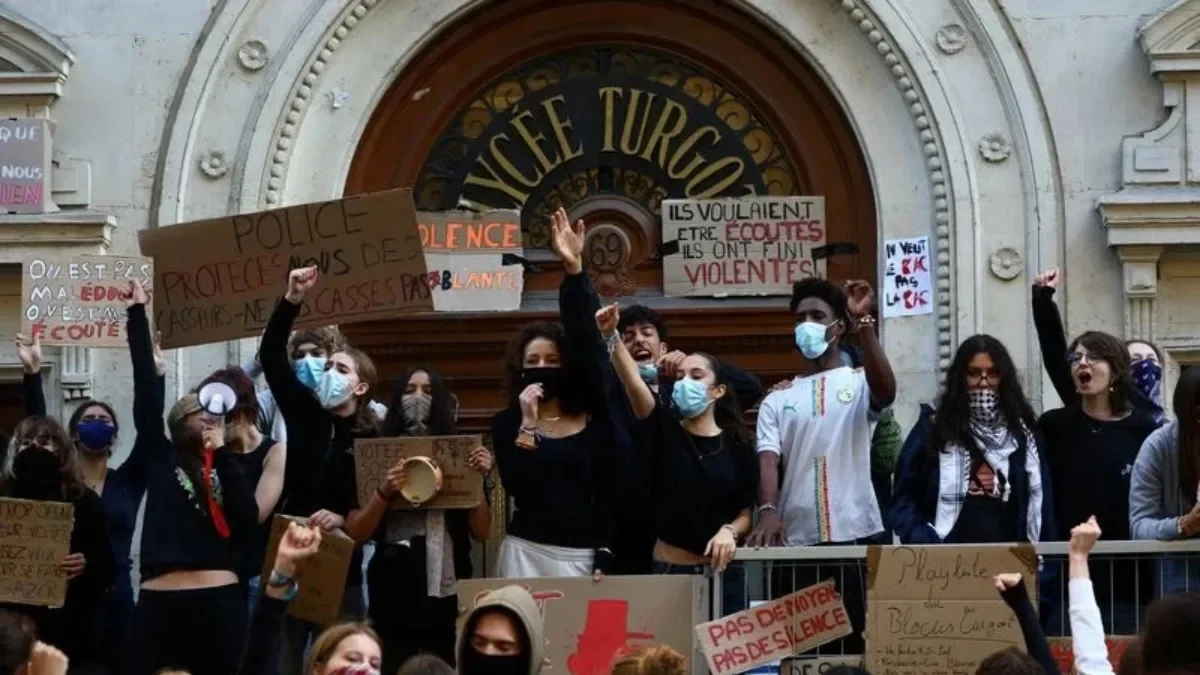
France faces mounting turmoil as nationwide student demonstrations and school blockades collide with escalating economic anxieties and jittery bond markets. Amidst this growing national crisis, far-right leader Marine Le Pen is rolling out her key economic proposals ahead of the upcoming presidential race.
Understanding the French Crisis: What, Why, and How?
What is happening across France right now?
France has been gripped by waves of high school blockades, street demonstrations, and civil disruptions. What began as localized student grievances regarding educational infrastructure, funding, and school conditions has quickly escalated into a broader societal confrontation. Protesters have clashed with security forces, resulting in damaged property, school closures, and widespread transport and public service interruptions.
Why are students and citizens taking to the streets?
The primary catalyst behind the unrest is widespread public frustration over government austerity measures, tightening public expenditures, and inadequate investments in public services. Students are demanding more resources, increased education spending, and better school facilities. However, the government faces strict fiscal limitations as it tries to narrow its soaring budget deficit, creating a direct clash between public demands for financial relief and state-mandated spending cuts.
How is this impacting the economy and financial markets?
The convergence of social unrest, strikes, and political instability has severely rattled investor confidence. Financial markets have reacted sharply, driving up yields on French government bonds as anxiety mounts over the country's economic governance. Observers note that the crisis exposes the fragility of France's fiscal position as it struggles to pass critical budget bills through a deeply divided parliament.
Where does political leadership stand on the turmoil?
Amidst the escalating instability, political contenders are positioning themselves for the upcoming presidential election. Far-right leader Marine Le Pen, currently leading early polls, has stepped forward to unveil her alternative economic platform and long-term savings plans. While her party maneuvers to avoid total chaos in the bond markets, opposition figures continue to debate how best to handle the compounding pressures of student activism, inflation, and public sector strikes.