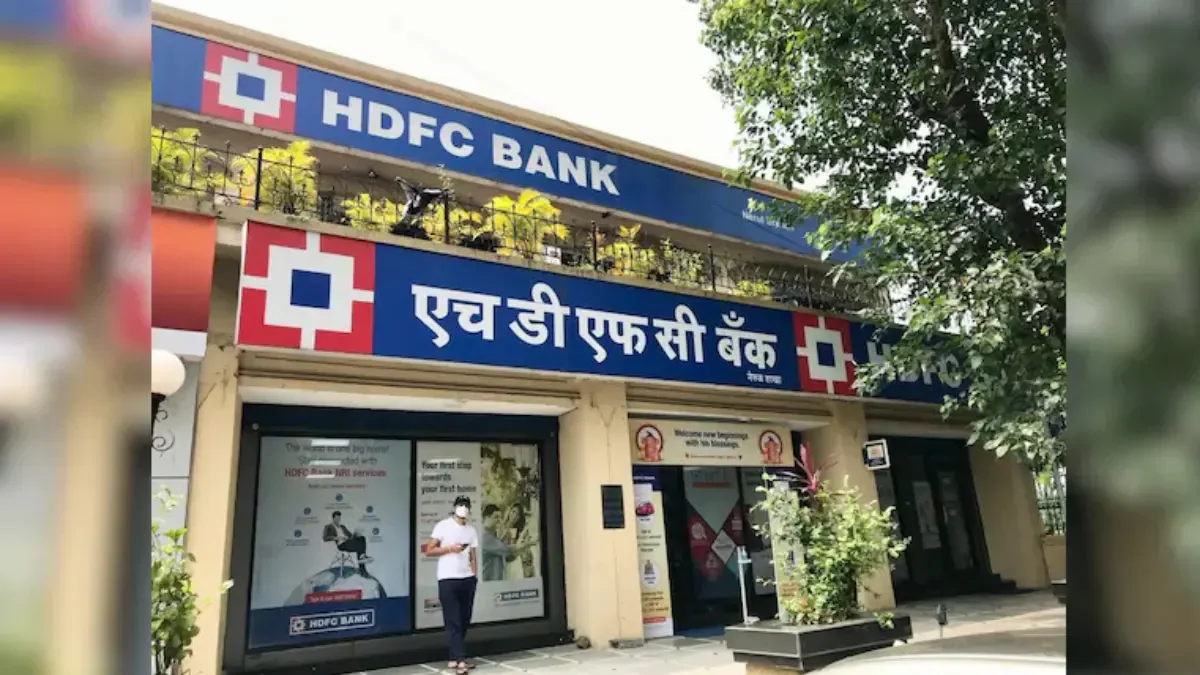
An internal investigation at HDFC Bank has established that two senior executives disclosed confidential business strategies and potentially market-sensitive operational details to external parties. This breach adds a significant layer of governance challenges for incoming Chief Executive Anup Bagchi, who is scheduled to formally take charge of India's largest private sector bank on October 27.
What Was Uncovered in the Internal Probe?
The internal investigation was initiated following growing concerns among top leadership regarding potential information leaks surrounding proprietary business strategies and sensitive corporate operational data. The bank’s investigative team confirmed that confidential materials were shared outside authorized operational channels, directly violating corporate ethics and compliance frameworks.
While both implicated executives have been formally served notices regarding these findings, the lender has not publicly disclosed their identities or specified the formal disciplinary or legal actions being initiated against them. HDFC Bank reiterated its stance on maintaining zero tolerance for compliance failures and affirmed its commitment to high corporate governance principles.
Who Is Anup Bagchi and Why Does This Impact His Transition?
Anup Bagchi is a highly regarded industry veteran from the rival ICICI Group, bringing over three decades of leadership experience across banking, capital markets, wealth management, and insurance. His appointment as Managing Director and CEO was approved by the Reserve Bank of India (RBI) following the unexpected decision of incumbent Chief Executive Sashidhar Jagdishan not to seek a secondary term.
This governance breach hits the institution just days before Bagchi officially takes the helm on October 27. Rather than focusing entirely on post-merger balance sheet consolidation and growth, Bagchi’s immediate operational priority must shift toward reassuring regulators, institutional shareholders, and international fund managers about internal control mechanisms. Establishing an immediate overhaul of internal security, compliance protocols, and organizational culture will serve as his primary litmus test.
Why Is the Bank Facing High-Level Leadership Instability?
The ongoing investigation coincides with a broader phase of executive flux and governance friction within the lender. Over recent months, high-profile exits and internal disagreements have attracted public scrutiny. Former Chairman Atanu Chakraborty resigned abruptly citing misalignment between his values and internal bank practices, although a subsequent independent review did not substantiate his specific claims.
Furthermore, Deputy Managing Director Kaizad Bharucha, one of the longest-serving executives at the bank and a key internal candidate for leadership, announced his decision to step down by the end of December. These consecutive shifts at the board and top management levels have raised questions among analysts regarding stability, internal alignment, and cultural dynamics within India's premier private lender.
How Are Financial Markets and Investors Reacting?
Market analysts and institutional investors view internal strategy leaks as fundamental vulnerabilities in corporate governance and risk management rather than isolated personnel issues. When proprietary operational plans are compromised, investors often demand a "governance discount," imposing valuation pressure on market multiples until complete transparency is established.
HDFC Bank has long been recognized for its conservative management, stringent internal controls, and consistent profitability. However, broader banking environment challenges alongside leadership transitions have exerted pressure on its valuation, making clear communication and swift corrective action essential to protecting long-term market confidence.