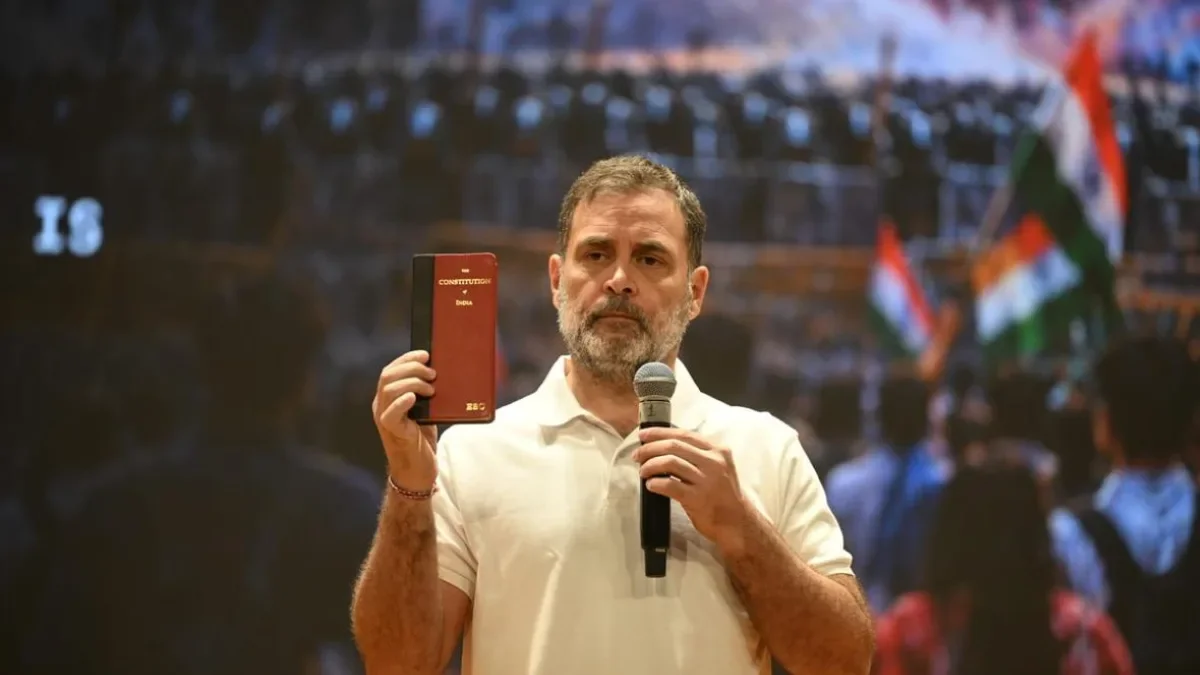
The political confrontation intensified as the opposition INDIA bloc raised severe concerns regarding election transparency and administrative actions. Opposition leaders, spearheaded by Rahul Gandhi, accused the central administration and election authorities of compromising institutional integrity. The core disagreement centers around allegations of vote tampering and irregularities, which have triggered nationwide debates and widespread demonstrations.
Protesters and political figures argue that public trust in independent bodies must be strictly protected. By demanding accountability, the opposition aims to force structural transparency within key democratic institutions, citing that any lapse in electoral impartiality threatens the foundational framework of the nation's democratic fabric.
Why Did the Chief Justice of India Decline the Meeting?
In the midst of mounting tensions, a delegation of opposition leaders requested a formal audience with Chief Justice of India Surya Kant to submit a detailed memorandum. However, official sources confirmed that the CJI declined the request on the grounds that the issues raised by the political leaders were already sub judice—meaning they are actively being litigated within the judicial system.
Legal experts note that the judiciary maintains strict boundaries regarding administrative interventions and pending litigations. Because similar petitions and matters are listed for formal judicial hearings, the apex court emphasized that grievances should be pursued through established judicial channels rather than administrative meetings.
How is the INDIA Bloc Responding Through Protests and Marches?
Refusing to back down, the INDIA bloc scheduled a mass protest march beginning at the Barakhamba intersection in Connaught Place. Security forces and police personnel were deployed heavily across various zones in New Delhi to manage crowd control and maintain public order. Opposition leaders criticized the heavy security clampdown, asserting that peaceful demonstration is a democratic right.
The mobilization serves as a major display of opposition unity, drawing civil society members, youth groups, and political workers together. As demonstrations continue to unfold across multiple urban centers, the political climate remains tense with both sides holding firm to their respective stances on institutional accountability and electoral oversight.
source link = INDIA Bloc Protests Against CEC Gyanesh Kumar and Supreme Court March