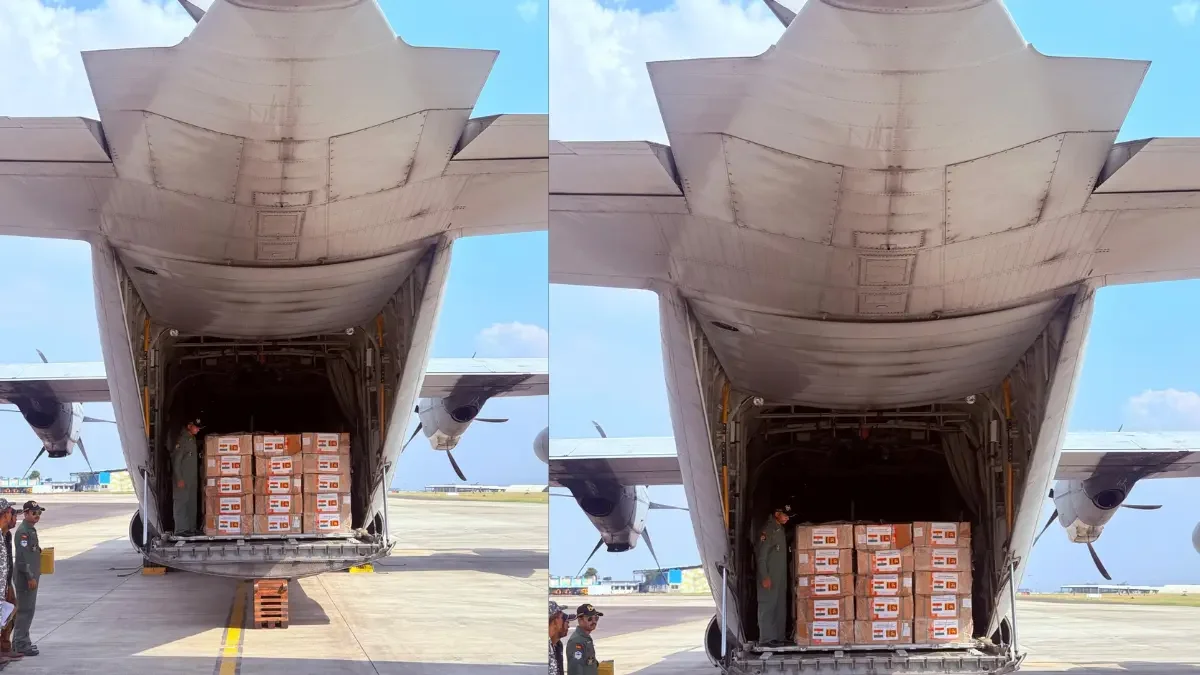
In a major humanitarian gesture reflecting its active neighborhood diplomacy, India dispatched approximately three tonnes of essential anti-tuberculosis medicines to Sri Lanka to bolster the island nation's public health infrastructure.
NEW DELHI — Reaffirming its role as a reliable first responder in the region, India has dispatched approximately three tonnes of vital anti-tuberculosis (TB) pharmaceutical supplies to Sri Lanka.
External Affairs Minister S. Jaishankar announced the medical assistance operation, emphasizing that India remains fully committed to supporting Sri Lanka’s public health network and ensuring uninterrupted access to life-saving therapeutics.
Rapid Delivery to Bolster Public Healthcare
The medical shipment arrives at a critical juncture as healthcare authorities across South Asia work to prevent supply chain disruptions for chronic infectious diseases. Tuberculosis treatment protocols require consistent, uninterrupted access to multi-drug regimens over prolonged durations; any delay or stock-out can lead to treatment failure and heighten the risk of drug-resistant strains emerging.
By deploying military transport aviation assets for the cargo, Indian authorities ensured that the high-priority pharmaceutical supplies reached Sri Lankan health officials without administrative or logistical delays. The three-tonne shipment comprises critical first-line and combination anti-TB drugs designed to maintain state-run dispensary stocks and secure treatment continuity for thousands of undergoing patients across Sri Lanka.
High-ranking officials from the Ministry of External Affairs (MEA) noted that the emergency air-drop was organized in close coordination with Sri Lanka’s Ministry of Health, matching exact inventory needs specified by Colombo's medical authorities.
A Pillars of the 'Neighborhood First' Policy
This latest medical relief package reflects the enduring diplomatic, economic, and humanitarian partnership between New Delhi and Colombo. Over the past several years, India has consistently stepped forward to extend assistance to Sri Lanka during economic pressures, public health challenges, and natural disasters.
Through grant assistance, lines of credit, emergency medical aid, and fuel supply agreements, India has prioritized keeping its Southern neighbor's vital infrastructure functional. During previous global health crises and domestic economic adjustments in Sri Lanka, India delivered hundreds of tonnes of essential medications, oxygen supplies, and emergency hospital equipment to ensure that public hospitals maintained operational readiness.
Speaking on the partnership, Indian diplomatic representatives emphasized that health security forms a central pillar of regional stability. By assisting regional partners in mitigating infectious disease burdens like tuberculosis, India helps build resilient health systems capable of preventing cross-border health emergencies.
Global Efforts and the Elimination of Tuberculosis
Tuberculosis remains one of the world's most severe infectious threats, with South Asia bearing a significant portion of the global disease burden. Both India and Sri Lanka have aligned their national health strategies with ambitious targets to eliminate tuberculosis ahead of international Sustainable Development Goal (SDG) timelines.
India’s domestic manufacturing capability in pharmaceuticals—often referred to as the "pharmacy of the world"—enables it to supply high-quality, cost-effective generic drugs globally. By extending these capabilities to its immediate neighbors, India directly contributes to regional disease control efforts.
The supply of specialized anti-TB drugs ensures that healthcare centers across Sri Lanka can maintain their screening, treatment, and monitoring programs without experiencing stock shortages. Public health experts have praised the timely intervention, highlighting that international cooperation is vital for sustaining tuberculosis eradication programs in developing regions.
Strengthening Regional Health Cooperation
The immediate arrival and handover of the anti-TB drugs in Colombo will be managed by officials from the High Commission of India in Sri Lanka alongside local health administrators. The consignment will be distributed promptly to regional health centers, national tuberculosis control units, and public hospital pharmacies across the island nation.
As Sri Lanka continues to stabilize and upgrade its public service infrastructure, Indian officials confirmed that bilateral dialogue on health sector cooperation will remain active. Beyond immediate drug supplies, future collaboration between the two countries is expected to encompass medical training, digital health integration, technical knowledge exchanges, and joint capacity-building initiatives aimed at strengthening overall healthcare resilience across the Indian Ocean Region.