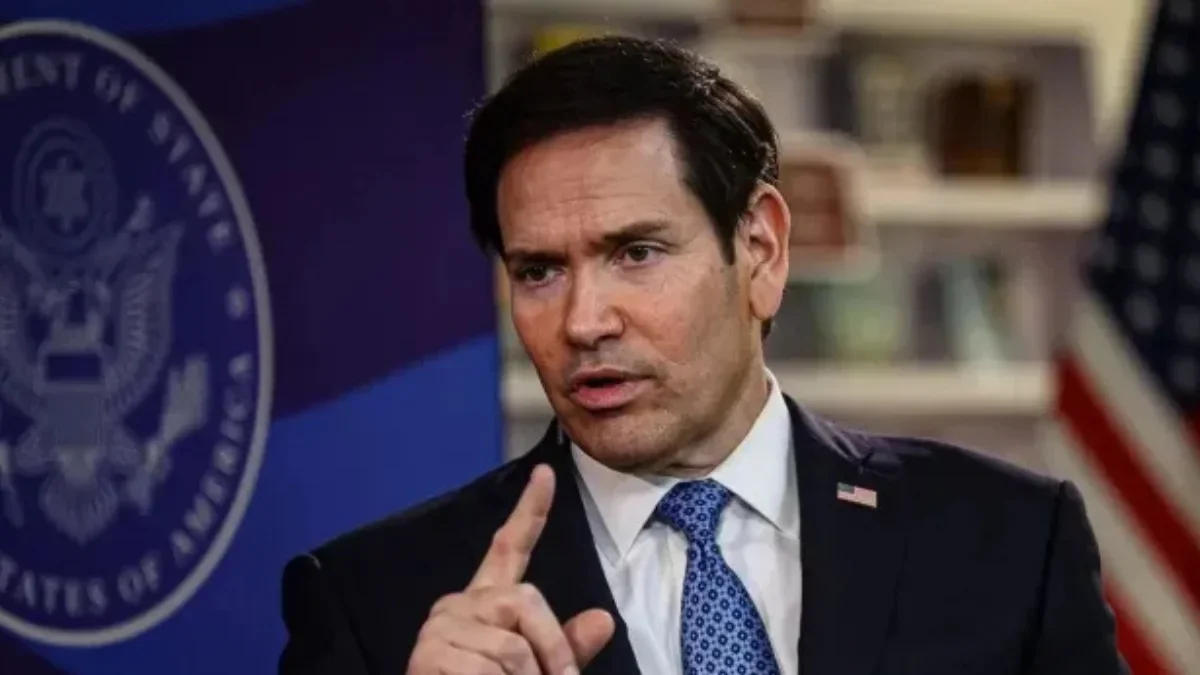
The long-negotiated trade package between New Delhi and Washington is nearing its final milestone. According to US Secretary of State Marco Rubio, bilateral negotiations are just weeks away from reaching a full consensus, with roughly 99% of the draft framework already completed. The remaining points focus primarily on fine-tuning technical legal definitions and specific phrasing to ensure mutual interpretation and prevent future disagreements. Both nations have shown commitment to closing the remaining gaps to establish a sustainable economic partnership.
Why Are US Tariffs and Visa Restrictions Not Directed at India?
Concerns regarding high tariffs and stricter US immigration rules were addressed by Rubio, who clarified that these measures are part of a broader foreign policy strategy rather than actions aimed specifically at India. The economic sanctions and tariff frameworks are linked to global geopolitical events, including efforts to manage the Russia-Ukraine conflict. Furthermore, recent adjustments in visa regimes and H-1B processing reflect systematic overhauls to address long-standing global administrative issues, unlawful entries, and system loopholes. Rubio highlighted that Washington actively seeks legitimate foreign students, tourists, and skilled professionals while establishing structured, law-compliant systems.
How Does Washington View Its Ties with India Amid Regional Dynamics?
Addressing strategic balance and regional security, the US administration emphasized that its relations with third countries, such as Pakistan or China, will not come at the expense of its bilateral trust with India. New Delhi remains a core pillar of US foreign strategy, particularly within multilateral frameworks like the Quad. Rather than viewing foreign ties as a zero-sum policy, Washington regards its friendship with India as a standalone priority focused on shared trade, technology, defense cooperation, and energy diversification initiatives.