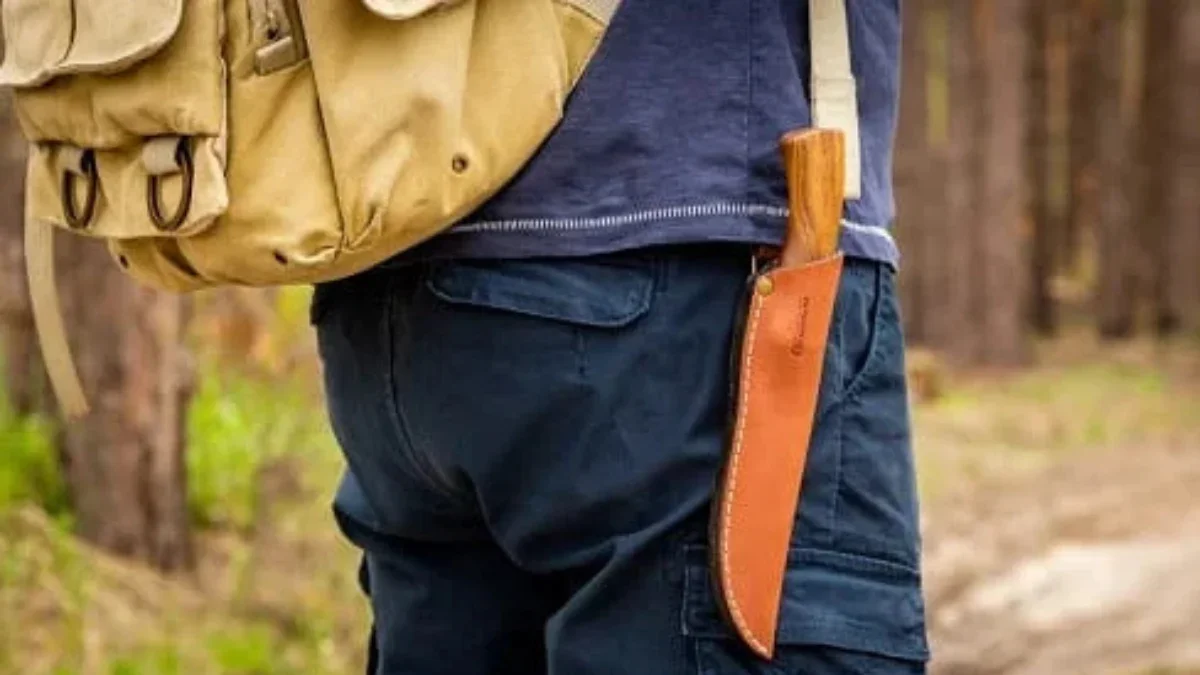
Under the Arms Act of 1959, domestic possession of utility cutting tools—such as chef knives, standard kitchen cutlery, and agricultural implements—is completely lawful across India. The legislation primary regulates weapons designed for assault or public endangerment rather than household appliances. As long as a blade is stored on private premises for culinary, maintenance, or trade-related tasks, citizens face no legal restrictions or licensing obligations.
Which Types of Knives Are Strictly Prohibited?
While standard culinary cutlery is unrestricted, the law draws a firm line against weapons designed for combat or concealed carry. Prohibited items generally include:
Flick Knives and Switchblades: Automatic or spring-assisted knives opening with a button or trigger mechanism are banned for civilian possession in many states.
Daggers and Trench Knives: Double-edged thrusting weapons designed exclusively for personal offense.
Gravity Knives & Butterfly Knives (Balisongs): Weapons designed to open rapidly via centrifugal force or gravity.
Oversized Blades: Sharp-edged weapons exceeding state-defined dimensional limits (typically blades longer than 9 inches or wider than 2 inches) unless explicitly licensed or protected under specific exemptions. Indians For Guns
What Role Do State-Specific Rules and Blade Lengths Play?
Though the Arms Act of 1959 applies nationally, individual state notifications heavily regulate sharp-edged weapons. Municipalities and state governments frequently issue local gazette notifications under Section 4 of the Act, prohibiting the acquisition, manufacture, or carrying of sharp blades above specified length boundaries. For example, carrying or keeping tactical blades exceeding standard length specifications in high-density metropolitan areas like Delhi or Mumbai without a permit can trigger police detention and confiscation.
Who Receives Legal Exemptions for Possessing Sharp Edges?
The legal system explicitly protects certain religious, cultural, and professional rights to carry ceremonial edge weapons:
Sikh Community: Article 25 of the Constitution of India, alongside Section 45 of the Arms Act, explicitly guarantees initiated Sikhs the right to carry the Kirpan as a core religious requirement.
Gurkha Community: The traditional Khukri is recognized and protected for cultural and traditional practices within the community.
Tradespeople and Craftsmen: Butchers, chefs, carpenters, and agricultural workers are fully protected when transporting or using large utility blades strictly for their professional duties.
What Are the Consequences of Possessing Illegal Weapons?
Unlawful possession or public transport of prohibited sharp weapons carries severe legal repercussions. Under Section 25 of the Arms Act, individuals found with illegal arms or prohibited knives can face arrest without a warrant, confiscation of the item, substantial fines, and imprisonment. Additionally, charges under the Bharatiya Nyaya Sanhita (BNS) may apply if authorities suspect an intent to commit criminal intimidation or assault.