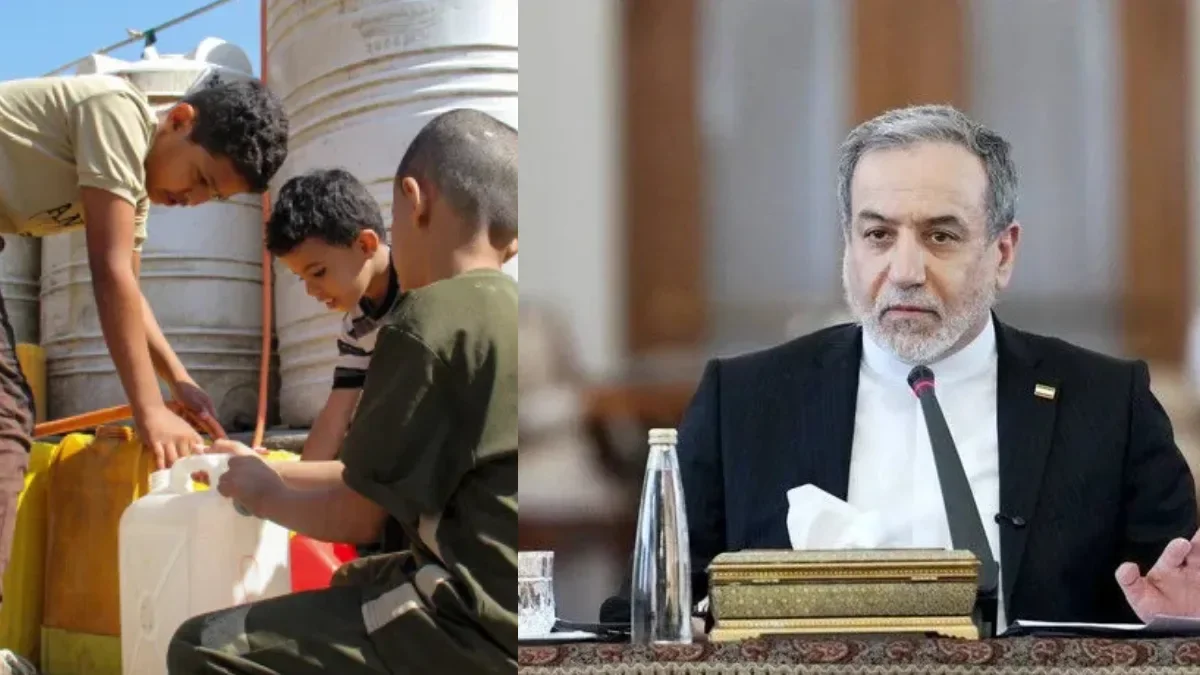
Iran’s criticism of Israel’s leadership, Washington’s assessment of Russian support and renewed fighting in Yemen have highlighted the growing complexity of the Middle East conflict. The latest developments, reported on October 18–19, 2026, come as regional tensions remain high and political calculations increasingly influence the debate over whether the war will continue or move towards diplomacy.
What Did Iran’s Foreign Minister Say About Netanyahu?
Iranian Foreign Minister Abbas Araghchi has accused Israeli Prime Minister Benjamin Netanyahu of encouraging further conflict with Iran and attempting to draw the United States into another war for his own political benefit. In a statement shared on social media, Araghchi argued that Netanyahu was putting American interests at risk while facing political pressure at home.
The accusation reflects Tehran’s position that Israel’s military strategy could prolong the conflict rather than create a lasting solution. Iranian officials have repeatedly warned that additional attacks would bring further retaliation and increase the possibility of a wider regional confrontation.
However, Araghchi’s comments represent the Iranian government’s political assessment of Netanyahu’s intentions, rather than independent proof of his motives. Israel’s security concerns, Iran’s military capabilities and the United States’ strategic interests remain central factors in the conflict.
Why Is Netanyahu Facing Political Pressure?
Netanyahu’s leadership is closely linked to Israel’s security situation and its approach to Iran. Military operations can become important domestic political issues, particularly when elections approach and voters assess the government’s handling of national security.
Israel’s parliamentary election is scheduled for October 27, 2026, adding another political dimension to the debate over possible military action. US President Donald Trump publicly endorsed Netanyahu on October 18, praising his wartime leadership even as questions remain about the future direction of the conflict.
For Netanyahu, confronting Iran can be presented as a national security priority. Critics, however, may argue that expanding military operations carries enormous costs and risks drawing Israel into a prolonged conflict.
The key question is whether further military pressure would produce meaningful security gains or deepen instability across the region. That question also matters to Washington, which must weigh its alliance with Israel against the risks of continued American involvement.
What Has Donald Trump Said About Russia Helping Iran?
Donald Trump has said Russia is doing “very little, if anything” to help Iran in the ongoing war. His remarks indicate that he does not consider Moscow a major source of assistance to Tehran, although this is his assessment rather than a definitive account of all Russian activities.
Russia and Iran have maintained strategic ties, including cooperation in defence and other areas. Their relationship has attracted attention because outside support could affect Iran’s ability to sustain military operations under pressure.
There is also an important distinction between public statements and intelligence assessments. A Reuters report published on October 13 described US intelligence assessments suggesting that Russia and China had provided Iran with military-related assistance, including satellite imagery and weapons components. Trump’s comments therefore contrast with those reported assessments.
The extent, timing and military significance of any assistance remain important questions. Russia’s role could influence diplomatic calculations, but it should not be assumed that Moscow will directly enter the war or provide unlimited support to Tehran.
Why Has Fighting Flared Again in Yemen?
Yemen has become another important flashpoint in the wider Middle East crisis. Renewed hostilities have raised concerns about civilian safety, regional alliances and the possibility that fighting could spread beyond the main Iran-Israel confrontation.
According to the Associated Press, an airstrike in Yemen’s Houthi-controlled Saada province on October 18 killed at least nine people, including women and children, and wounded 19 others. Houthi officials blamed Saudi Arabia for the attack, while the wider situation included renewed hostilities after a period of relative calm. These claims and casualty figures should be understood in the context of the reporting available at the time.
The fighting also has implications for Saudi Arabia and other regional governments. Houthi attacks on Saudi cities and oil infrastructure have increased concerns about the security of critical facilities and the potential consequences for regional trade and energy supplies. Egypt has also pledged support for Saudi Arabia in responding to Houthi aggression, according to the same report.
The renewed violence illustrates how conflicts involving different regional actors can become interconnected. Even when military action is concentrated in one country, retaliation and political alliances can create pressure across neighbouring states.
How Are Iran, Israel and the United States Connected?
The three countries occupy different positions in the conflict, but their decisions influence one another.
Iran: Tehran presents its military posture as a response to external threats and warns that additional attacks could trigger retaliation.
Israel: The Israeli government views Iran’s military capabilities and regional influence as major security concerns.
United States: Washington supports Israel while also facing the risks associated with a wider war, including American casualties, regional instability and economic disruption.
These competing objectives make a diplomatic settlement difficult. Iran wants to protect its interests and resist military pressure, while the United States and Israel have raised concerns about Iranian military capabilities and regional influence. Disagreements over nuclear policy, missiles, sanctions and regional armed groups have long complicated relations.
A major challenge is that a military victory for one side may not resolve the underlying political disputes. Without an agreement addressing security concerns and the conditions for de-escalation, even a temporary reduction in fighting could leave the region vulnerable to renewed attacks.
What Could Happen Next in the Middle East?
The coming days could prove important as political leaders assess their military options and domestic pressures. Netanyahu’s approaching election, Trump’s position on further military involvement and Iran’s response to continued pressure could all shape the next phase of the conflict.
Three broad developments are possible.
First, military operations could intensify if either side concludes that additional strikes would improve its strategic position. Such an outcome would increase the danger of retaliation and potentially draw more regional actors into the fighting.
Second, governments could pursue negotiations to prevent further escalation. Diplomatic efforts would likely face difficult questions about sanctions, security guarantees, military capabilities and the future role of regional armed groups.
Third, fighting could continue across several fronts without producing a decisive outcome. Yemen demonstrates how regional tensions can persist independently while remaining connected to the broader political and security environment.
None of these scenarios is certain. Public accusations and statements by political leaders provide insight into their positions, but they do not establish what military or diplomatic decisions will ultimately follow.
For civilians across the Middle East, the immediate concerns remain the protection of lives, access to essential services and the prevention of further displacement. The international community will also be watching for signs that the conflict is affecting energy supplies, shipping routes and regional economic stability.
The latest developments underline a central issue: whether regional leaders will prioritise further military confrontation or pursue a credible path towards de-escalation. Iran’s accusations against Netanyahu, Trump’s comments about Russian support and renewed fighting in Yemen are separate developments, but together they show how difficult it may be to contain the region’s interconnected conflicts.