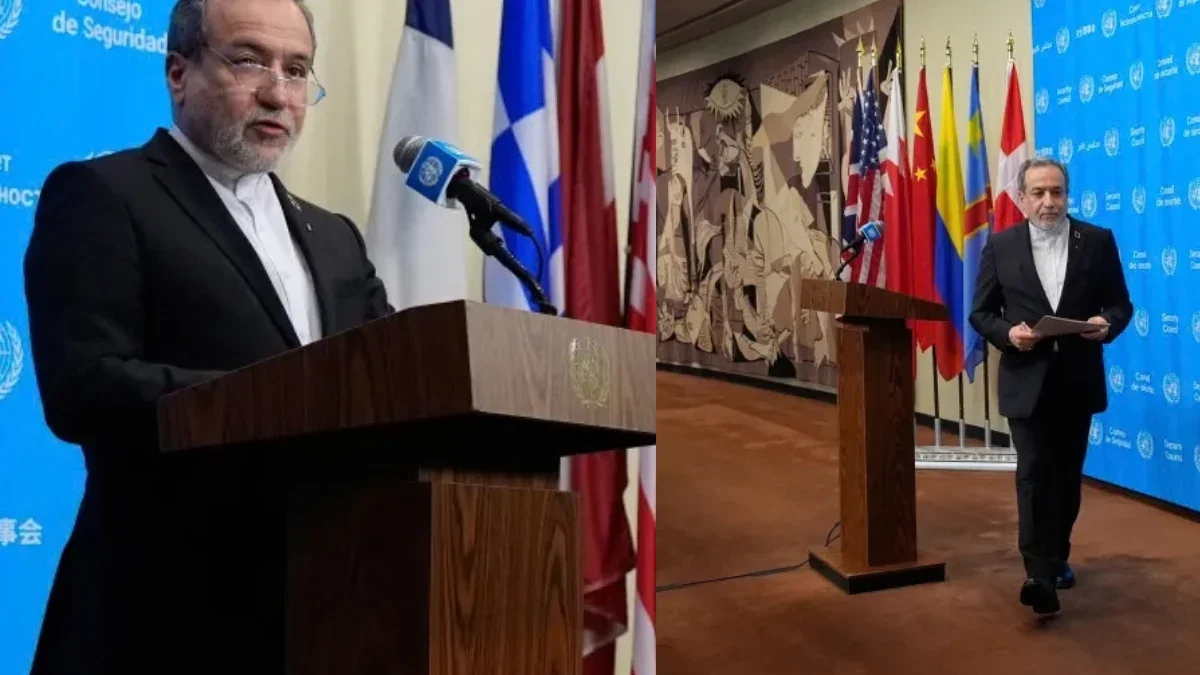
The recent escalation in West Asia significantly choked global energy corridors, turning the Strait of Hormuz into a central flashpoint. Economic strain inside Tehran and mounting global pressure forced a renewed diplomatic push. Iranian Foreign Minister Abbas Araghchi announced that Tehran conveyed the new timeline through international intermediaries. The framework closely mirrors understandings previously explored in June, aiming to fast-track peace negotiations and lift port blockades.
How Will the Seven-Day Plan Work?
Under the proposed framework, implementation begins immediately once Washington officially accepts the terms:
Days 1 to 5: Both sides initiate de-escalation steps, halting active hostilities and lifting specific economic restrictions on Iranian ports and assets.
Day 6: Maritime traffic parameters are finalized, allowing the safe and official reopening of the strategic Strait of Hormuz for international shipping.
Day 7: Comprehensive bilateral negotiations concerning Tehran's nuclear program and long-term regional security officially resume.
What is the Position of the United States?
The United States State Department, through spokesman Tommy Pigott, responded by noting that diplomatic avenues have never been shuttered by Washington. While American officials acknowledge ongoing indirect discussions facilitated by international mediators, the White House maintains a firm stance on security leverage and economic pressure. Tensions persist as both nations weigh strategic advantages against the backdrop of international market stability and upcoming domestic political milestones.