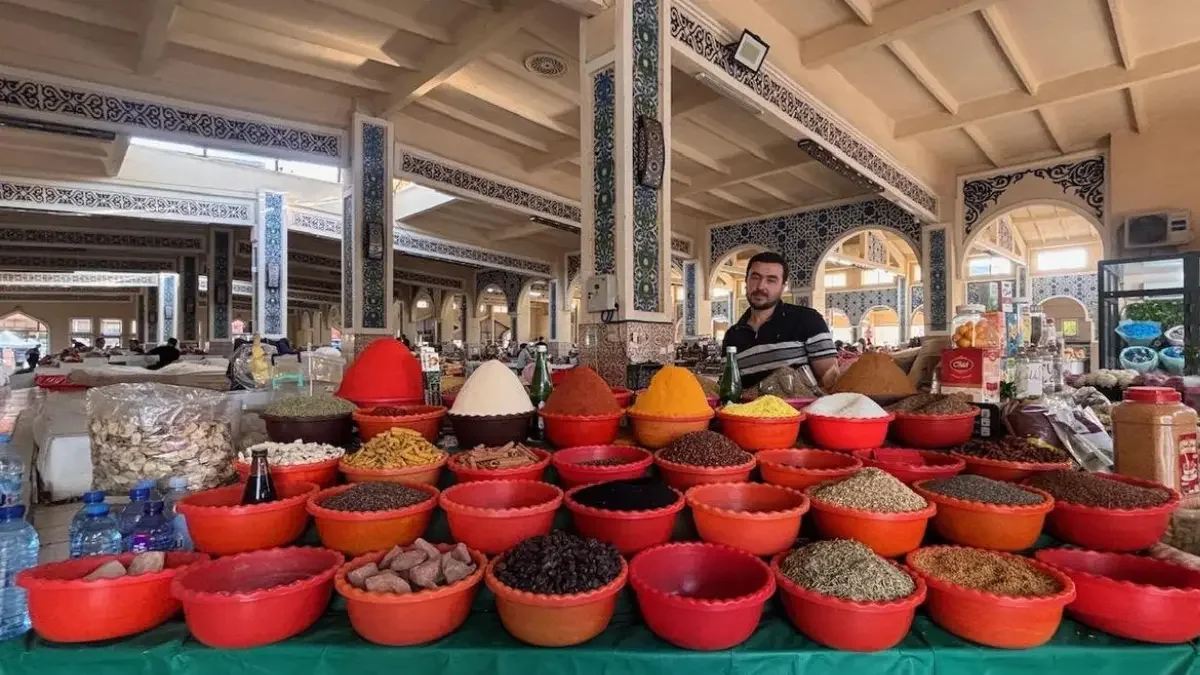
The Maharashtra Food and Drug Administration (FDA) has prohibited the statewide sale of loose, unpacked spice powders to combat food adulteration, mandating that all spices be packaged and sealed directly at production facilities before distribution. Issued by Food Safety Commissioner Tukaram Mundhe, the regulatory order bans toxic coloring agents such as Metanil Yellow and Rhodamine B alongside physical adulterants like brick powder and chalk to protect public health across the supply chain.
Why Has the Maharashtra FDA Imposed a Ban on Loose Spices?
The widespread practice of selling loose turmeric, chilli powder, coriander, and garam masala at neighborhood grocery markets has long presented severe safety risks. Unpackaged spices are highly vulnerable to deliberate contamination aimed at artificially boosting product weight or enhancing visual appeal. Chemical analysis of market samples repeatedly uncovered non-permitted artificial dyes, industrial chemicals, and foreign fillers.
To neutralize these health hazards, the state regulator determined that prohibiting loose sales entirely is the most effective mechanism to establish end-to-end product traceability and guarantee safety from the manufacturer down to the ultimate buyer.
Which Adulterants and Dyes Are Strictly Prohibited Under the Order?
The FDA order specifically outlaws several hazardous chemical additives and physical substances:
- Synthetic and Industrial Dyes: Dyes like Metanil Yellow, Rhodamine B, Sudan dyes, and Lead Chromate are strictly forbidden. These toxic chemicals are frequently used to impart vibrant yellows and reds to low-grade turmeric or chilli powders.
- Physical Weight Fillers: Materials such as brick powder, chalk, sawdust, and foreign starches used to bulk up physical volume are completely banned.
- Extracted or Depleted Spices: The sale of spent spices—raw materials from which essential oils or oleoresins have already been extracted—is prohibited.
- Chemical Contaminants: Ethylene oxide for sterilisation is prohibited, and mandatory testing protocols now enforce strict limits on pesticide residues, heavy metals, and aflatoxins.
What New Compliance Rules Must Food Business Operators Follow?
Under the new directives, all spice manufacturers, processors, repackers, wholesalers, retailers, e-commerce platforms, and catering establishments must comply with stringent operating standards:
- Sealed Factory Packaging: Spices must be packaged and sealed strictly at the manufacturing or processing facility prior to commercial distribution.
- Mandatory Labeling Declarations: Every sealed unit must prominently display product identity, full ingredient lists, batch numbers, manufacturing dates, best-before/expiry dates, manufacturer address, and a valid Food Safety and Standards Authority of India (FSSAI) license number.
- Valid FSSAI Licensing: A standard local trade license is no longer sufficient; businesses must hold explicit FSSAI registration or licenses covering their exact operational category.
- Strict Facility Hygiene: Open-air drying of raw spices on public roads, tarred surfaces, or near open drains, rubbish dumps, and cattle sheds is outlawed. Furthermore, spices cannot be stored alongside pesticides, industrial dyes, or hazardous chemicals.
How Will Food Safety Officers Trace and Enforce Adulteration Violations?
Food safety officers across Maharashtra have been tasked with conducting systematic, statewide inspections across processing facilities, wholesale markets, and retail outlets. Enforcement actions will intentionally target the entire supply chain rather than penalizing small retail shops alone. Investigators are authorized to review procurement invoices, batch production ledgers, and raw material stocks to trace non-compliant or adulterated goods straight back to their primary origin.
What Penalties Do Non-Compliant Businesses Face Under the Law?
Non-compliance with the new regulations carries severe legal and financial repercussions under the Food Safety and Standards Act, 2006:
- Unsafe Food Penalties: Selling unsafe food that causes grievous harm carries up to 6 years imprisonment and fines up to ₹5 lakh. If adulterated food causes a fatality, the punishment escalates to mandatory imprisonment ranging from 7 years to life, along with fines of at least ₹10 lakh.
- Unlicensed Operations: Operating without a valid FSSAI license carries penalties of up to 6 months imprisonment and fines up to ₹5 lakh.
- Misleading Claims and Substandard Products: Making false purity or health claims, or selling misbranded products, can attract fines reaching up to ₹10 lakh alongside immediate product seizures, supply recalls, and business license cancellations.