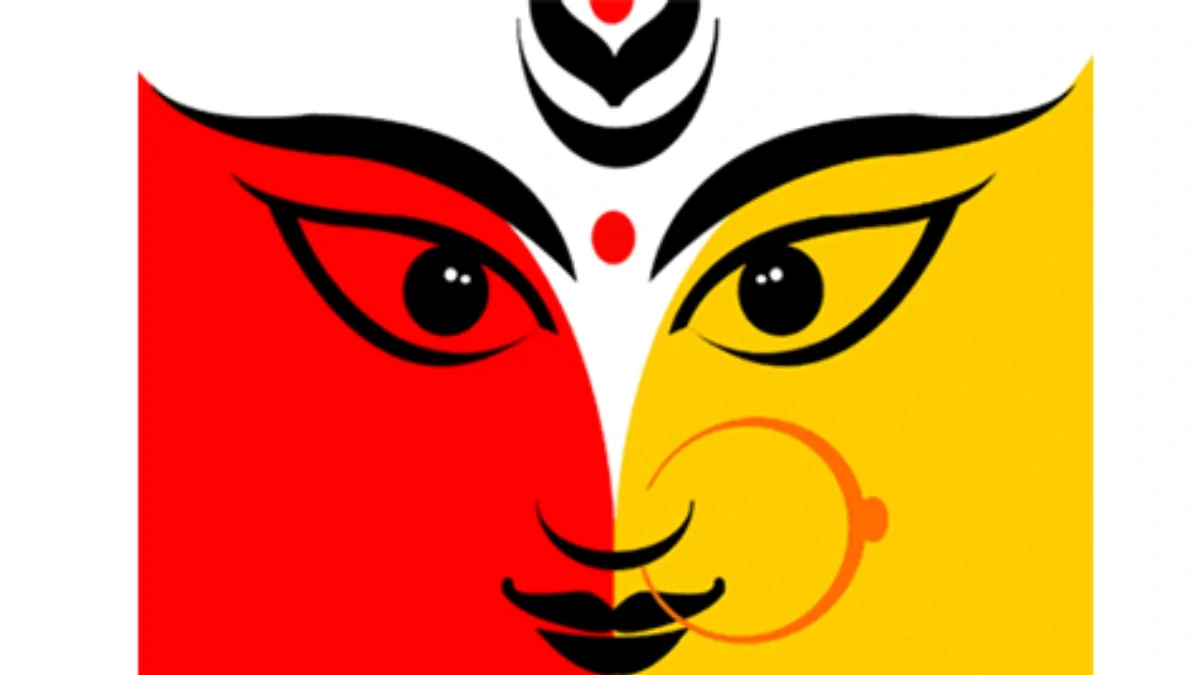
On the second day of Navratri, devotees worship Maa Brahmacharini, the second form of Navadurga who embodies extreme penance, devotion, and spiritual discipline. Her divine grace guides seekers toward inner peace, focus, and ultimate spiritual liberation by teaching the value of perseverance.
द्वितीय नवरात्र: माँ ब्रह्मचारिणी की पौराणिक कथा | Maa Brahmacharini Ki Katha | Navratri Story
दूसरा नवरात्र ~Brahmacharini Mata Ki Katha~Brahmacharini Ki Kahani~ब्रह्मचारिणी माता की कथा~Navratri
Who Is Maa Brahmacharini?
Maa Brahmacharini is the second aspect of Goddess Durga venerated during the festival of Sharad Navratri. The word "Brahmacharini" stems from two Sanskrit roots: "Brahma," referring to sacred knowledge or the Supreme Reality, and "Charini," meaning one who moves, practices, or conducts oneself. Thus, her name translates to the one who walks the path of sacred devotion and righteousness.
Iconographically, Goddess Brahmacharini is depicted walking barefoot, clad in pure white robes. She holds a Japa Mala (rosary beads) in her right hand to signify relentless meditation and a Kamandalu (water pot) in her left hand to symbolize purity and self-control. Unlike other manifestations of Goddess Durga, she carries no weapons and mounts no animal, highlighting her tranquil yet resolute nature focused entirely on asceticism.
What Is Her Mythological Origin and Story?
The legendary story of Maa Brahmacharini is deeply tied to her incarnation as Parvati, the daughter of King Himavat and Queen Maina. After the self-immolation of Sati, Lord Shiva retreated into deep, secluded meditation, completely detached from the worldly cosmic order. Sage Narada informed Parvati that if she wished to marry Lord Shiva in this birth, she would need to undertake intense penance (tapasya) to awaken his attention.
Determined to fulfill her cosmic destiny, Parvati renounced royal comforts and went to the dense forests. For thousands of years, she led the life of a severe ascetic. In the initial years, she survived solely on flowers and fruits. Later, she sustained herself only on dry Bilva leaves (Bael leaves). As her spiritual practice deepened, she gave up even leaves and water, continuing her meditation under the open sky despite scorching heat, freezing winters, and heavy rain.
Due to her sacrifice of giving up leaves (parna), she earned the name "Aparna". Seeing her body grow frail and weak from thousands of years of continuous fasts, her mother cried out "U-Ma!" ("Oh, don't!"), giving her another revered name, Uma. Her severe spiritual heat (tapas) eventually shook the three worlds, prompting Lord Brahma to appear before her. He declared that no one had ever performed such unwavering penance before and blessed her, announcing that Lord Shiva would accept her as his consort. Impressed by her devotion, Shiva manifested before her, and they were subsequently united in divine marriage.
Why Is She Worshipped on the Second Day of Navratri?
Worshipping Goddess Brahmacharini on Day 2 marks the spiritual transition from initial faith (represented by Day 1's Shailaputri) to active discipline and commitment. Devotees revere her to seek mental fortitude, emotional control, and patience to withstand difficult challenges.
In Vedic astrology, Maa Brahmacharini governs the planet Mangala (Mars) or Ketu depending on traditional texts, symbolizing the transformation of raw energy and impulse into refined spiritual focus. Devotees believe that chanting her mantra—"Om Devi Brahmacharinyai Namah"—clears obstacles, destroys laziness, and brings wisdom and success in both personal and professional endeavors.
How Do Devotees Worship Her on Day 2?
The rituals on the second day focus heavily on purity, simplicity, and sacred offerings. Devotees observe specific traditions to invoke her divine presence:
Color of the Day: Wearing white or green attire, which signifies purity, peace, growth, and harmony.
Sacred Bhog: Offering sugar, panchamrit, or simple sweet dishes to the goddess. It is believed that offering sugar bestows longevity and peace upon family members.
Floral Offerings: Devotees decorate her idol or picture with jasmine, lotus, and white flowers symbolizing untainted devotion.