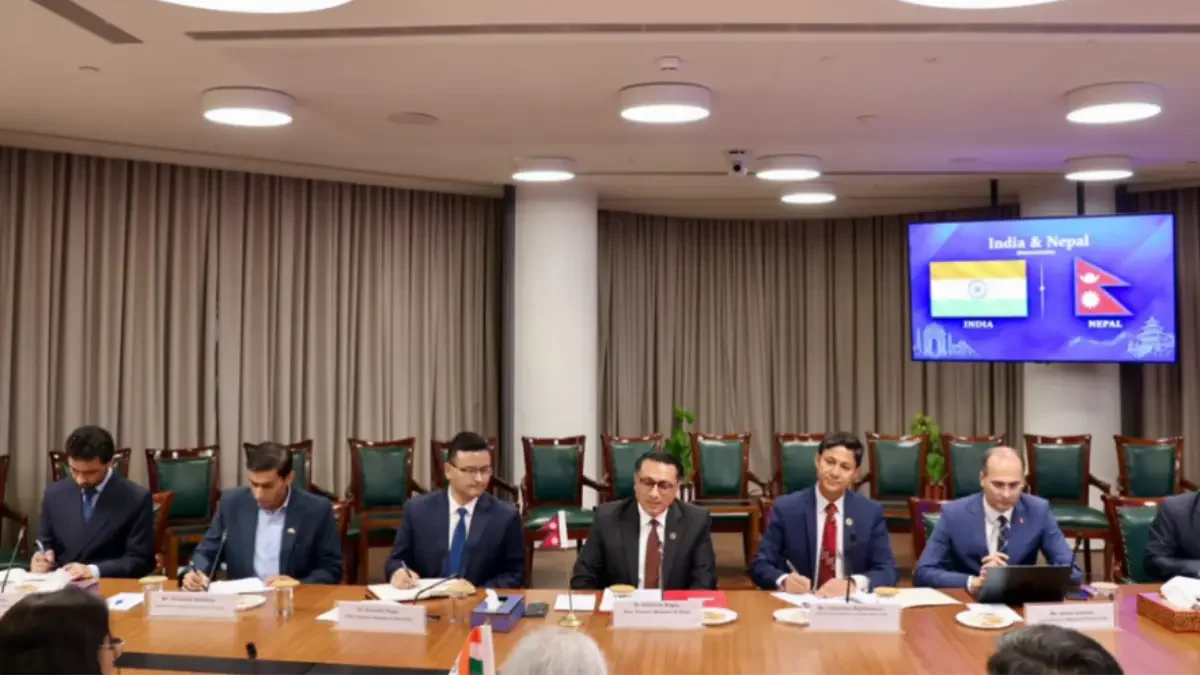
Nepal Finance Minister Swarnim Wagle traveled to New Delhi for high-level bilateral talks following devastating seasonal floods. The discussions centered on upgrading trade treaties, accelerating infrastructure connectivity, and securing recovery assistance. Both nations aim to move past historical friction to foster a modernized economic partnership.
What Led to the New Delhi Talks?
The recent catastrophic floods across Nepal triggered severe infrastructural and economic setbacks, necessitating urgent international cooperation. Infrastructure components like hydropower facilities, local transport networks, and commercial pathways suffered heavy structural losses. Recognizing the immediate need for robust disaster recovery support, Kathmandu turned toward New Delhi, prompting Finance Minister Swarnim Wagle to make his maiden official visit to India to coordinate reconstruction frameworks and financial aid packages.
Why Are Trade and Connectivity Being Revised?
Bilateral agreements governing cross-border commerce have long required structural updates to reflect modern economic realities. Decades-old frameworks fail to accommodate contemporary demands for digital integration, seamless transit corridors, and rapid supply chain execution. By revising outdated trade treaties and expanding multi-modal transport networks, both governments intend to unlock untapped commercial potential, streamline regional logistics, and encourage private sector investments that have remained dormant for years.
How Does This Shift Bilateral Dynamics?
For generations, political discourse in the Himalayan nation occasionally leaned on anti-Indian rhetoric for domestic posturing. However, the current diplomatic outreach demonstrates a mature pivot toward pragmatic economic diplomacy. Emphasizing mutual dependency in energy sharing, regional stability, and collaborative infrastructure development signals that traditional jingoism is being replaced by cooperative growth and shared prosperity.