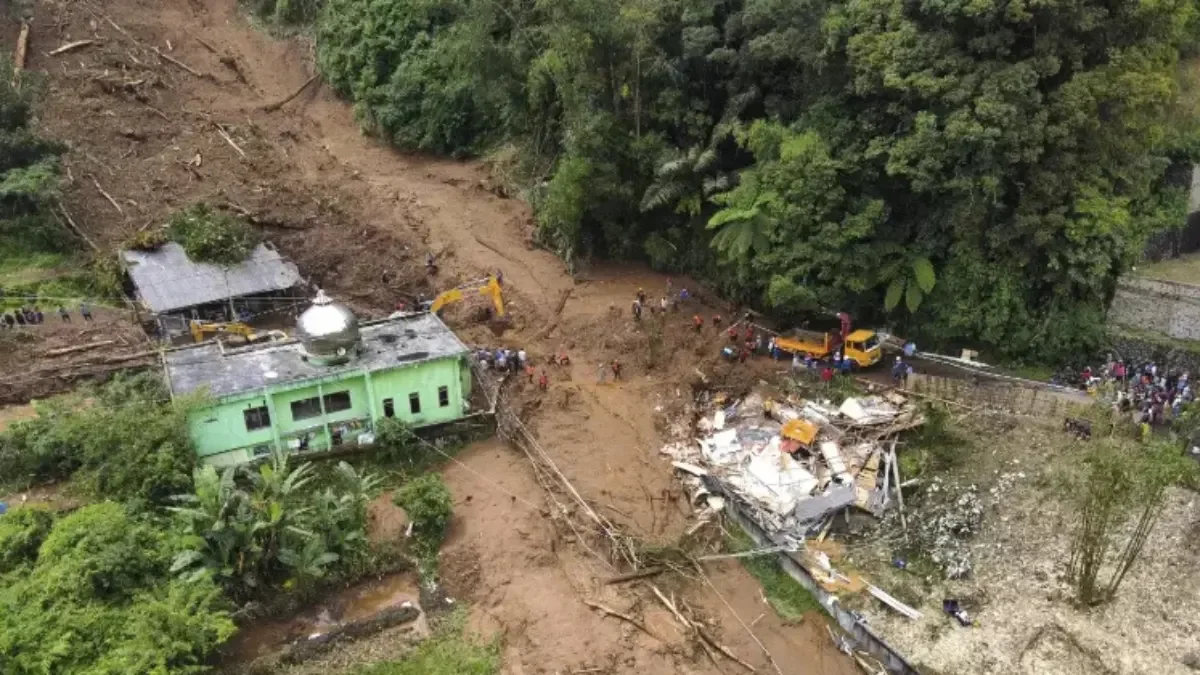
Authorities have placed coastal regions and high-altitude areas on high alert following severe rainfall, imminent landslide threats, and severe weather warnings impacting both Andhra Pradesh and Nepal’s Himalayan terrain. Governments have issued stern advisories instructing tourists, trekkers, and pilgrims to strictly avoid traveling to high mountains until conditions stabilize.
What Triggered the High-Alert Warnings?
Continuous heavy rainfall and shifting weather systems across the region have disrupted normal life and created life-threatening environmental conditions. In Nepal, torrential downpours and early snowfall have saturated mountain slopes, significantly increasing the likelihood of sudden mudslides, rockfalls, and flash floods along major trekking routes. Concurrently, Andhra Pradesh has faced severe weather threats, including coastal warnings and heavy regional rains, forcing local administrative bodies to remain on maximum alert to protect citizens and travelers.
Who Is Most Vulnerable to These Natural Hazards?
Pilgrims and high-altitude tourists are currently identified as the most vulnerable groups. Every year, thousands of pilgrims travel through challenging mountain corridors for religious yatras, while adventure tourists navigate remote Himalayan trails. When intense rainfall strikes these geography-sensitive zones, narrow mountain passes quickly turn into traps. Recent events have demonstrated how rapidly routes can become submerged or blocked by fallen debris, leaving hundreds of travelers stranded without immediate access to food, shelter, or medical attention.
Why Is the Danger of Landslides Increasing?
Landslide hazards in steep terrains worsen dramatically during sustained rainfall events. As water infiltrates the soil layers of mountain slopes, it reduces friction and creates immense hydrostatic pressure. Loose boulders, soil, and vegetation detach from mountain faces, sliding rapidly down into river valleys and highway paths. In regions like the Himalayas, unpaved roads and steep cliffs mean that even a moderate landslide can completely sever transportation networks, delay emergency responses, and destroy crucial bridges.
Where Should Pilgrims and Tourists Avoid Traveling?
The advisory explicitly cautions against visiting high-altitude mountains, steep valley highways, and active riverbank trails. Tourists in Nepal are strongly advised to halt trekking in high-hill and Himalayan zones, where visibility is low, temperatures drop sharply, and landslips frequently close routes. Similarly, pilgrims planning high-altitude journeys or traveling through vulnerable transit points are asked to reschedule their itineraries until government agencies clear safety corridors.
How Are Government Agencies Responding?
Disaster risk reduction management teams, local police, and Real-Time Governance Society (RTGS) monitoring centers are working continuously to maintain emergency preparedness. Rescue units have been stationed near high-risk disaster zones, while coordination teams are monitoring missing person reports and evaluating road conditions. Advisory bulletins are being broadcast via public channels to update travelers in real time. Emergency helplines are active, and border checkposts are strictly monitoring traffic to prevent vehicles from venturing into unsafe mountain passes.
What Precautions Should Travelers Take Right Now?
Travelers currently in or near affected areas must prioritize personal safety above all travel plans. Follow these vital steps:
Defer Mountain Journeys: Cancel or postpone all high-altitude treks and pilgrimage visits until official clearance is issued.
Monitor Official Bulletins: Rely solely on verified government disaster portals and official weather updates.
Stay in Safe Shelters: If already in transit, remain in low-lying, secure hotel facilities away from steep hill slopes or riverbanks.
Keep Emergency Contacts Handy: Maintain access to local helpline numbers, embassy contacts, and state response services.