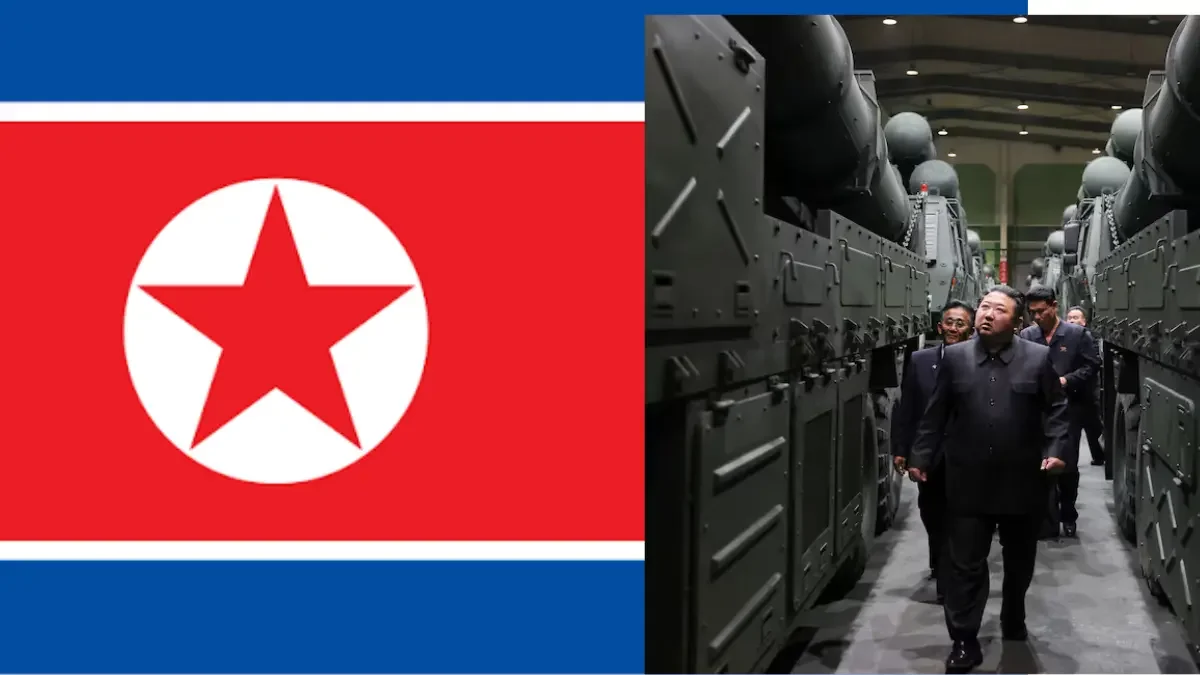
The recent missile tests follow a period of fierce diplomatic friction and intensified rhetoric between Pyongyang and Western-backed allies. North Korea has strongly condemned recent trilateral military exercises involving the United States, South Korea, and Japan, viewing these maneuvers as an aggressive threat to its national security. High-ranking officials in Pyongyang, including influential figures in the regime, recently rejected international pressure regarding their nuclear ambitions and vowed to strengthen their military deterrent in response to what they describe as persistent hostile policies.
Furthermore, these actions highlight Pyongyang's deep skepticism toward renewed diplomatic overtures. Even as international leaders express interest in reopening dialogue or restructuring joint exercises to ease burdens, North Korea maintains that substantive talks will only occur on its own strict terms—chiefly involving the absolute recognition of its nuclear-armed status. Sunday's back-to-back missile events underscore a clear message from North Korea that it will match perceived military pressures with visible demonstrations of its tactical capability.
What Was the Response from Regional Neighbors?
Neighboring nations reacted swiftly to the sudden weapons activity, placing military intelligence on high alert. South Korea's Joint Chiefs of Staff reported tracking the initial short-range ballistic missile as it traveled several hundred kilometers toward eastern waters, followed closely by the detection of a second projectile launched only hours later. In response, Seoul convened an emergency National Security Council meeting to evaluate security risks and coordinate closely with international partners.
Japan's Defense Ministry similarly tracked the projectiles, confirming that both weapons ultimately splashed down outside of Japan's exclusive economic zone. Japanese officials lodged formal diplomatic protests through embassy channels, condemning the moves as clear violations of multiple United Nations Security Council resolutions. Authorities in Tokyo, Washington, and Seoul continue to analyze flight trajectories and maintain a robust cooperative defense posture to monitor any further escalation in the region.