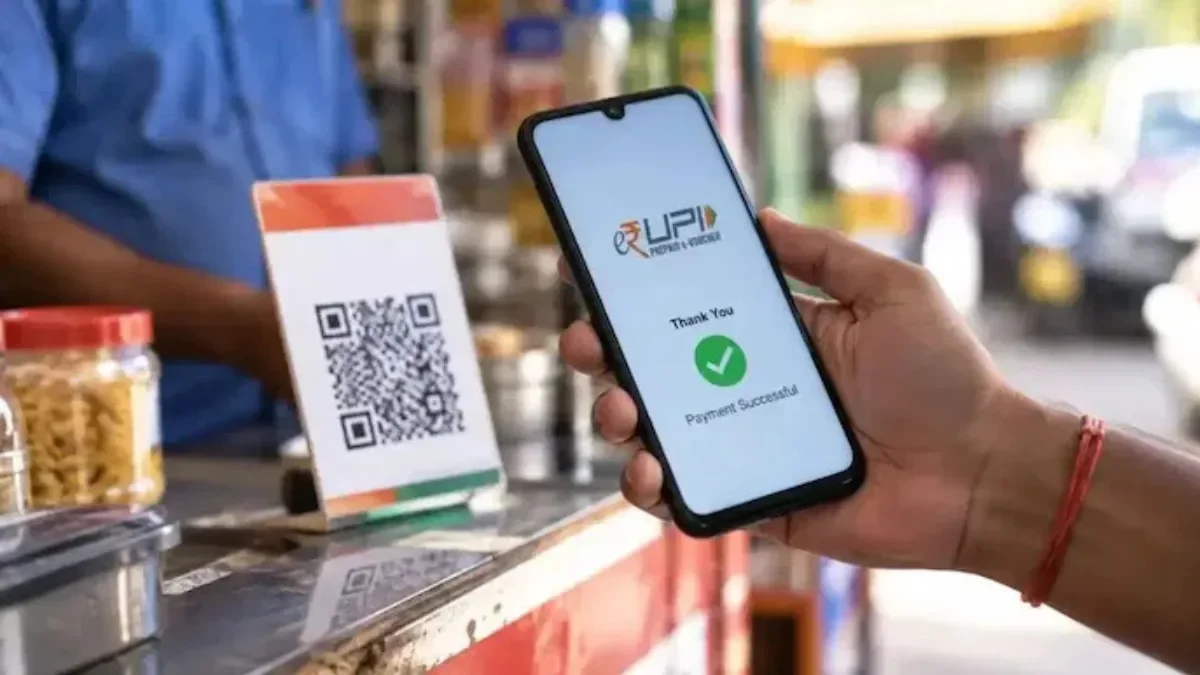
The National Payments Corporation of India (NPCI) has announced that the implementation of Merchant Discount Rate (MDR) charges on select person-to-merchant (P2M) UPI payments will be postponed until after Diwali, with the exact start date to be notified separately. This decision comes as a major relief to retailers, businesses, and payment aggregators preparing for peak festive trading.
What caused the post-Diwali delay?
The NPCI Steering Committee decided to defer the original October implementation timeline following representations from merchant associations and retail federations. Enforcing a new fee structure during the country's largest shopping season could have created administrative friction, operational hurdles, and cash-flow recalculations for retailers. By extending the timeline, payment gateways, acquiring banks, and merchants are granted critical buffer time to update software, adjust accounting mechanisms, and ensure zero disruption to holiday sales.
Which transactions will attract MDR charges?
Under the revised payment framework, standard person-to-merchant (P2M) transactions exceeding ₹2,000 will attract an MDR rate of 0.4%, capped at a maximum of ₹300 for high-value payments. Essential public utility services—such as fuel stations, insurance premiums, telecom bills, and railways—will be subject to a concessional flat fee of ₹5 for payments above ₹2,000. Capital market transactions will carry a minimal rate of 0.02% capped at ₹300.
Who is exempt from these transaction fees?
The incoming charges apply strictly to merchants and commercial accounts. Individual customers conducting routine daily transfers, peer-to-peer (P2P) payments, and small-ticket merchant transactions up to ₹2,000 will face no fee whatsoever. Furthermore, small, unorganized vendors operating under the Person-to-Person Merchant (P2PM) category—receiving under ₹1 lakh per month—are fully exempt, ensuring that local shops continue operating with zero MDR burdens.
Why is NPCI introducing MDR on UPI?
Bank-account funded UPI transactions have operated under a zero-MDR mandate since January 2020. The reintroduction of nominal charges on larger commercial transactions aims to build a financially sustainable framework for the digital payments ecosystem. Revenue generated from the fee will help acquire banks, payment gateways, and fintech apps build robust server infrastructure, reduce transaction failure rates, expand merchant onboarding networks, and reinforce cybersecurity measures.