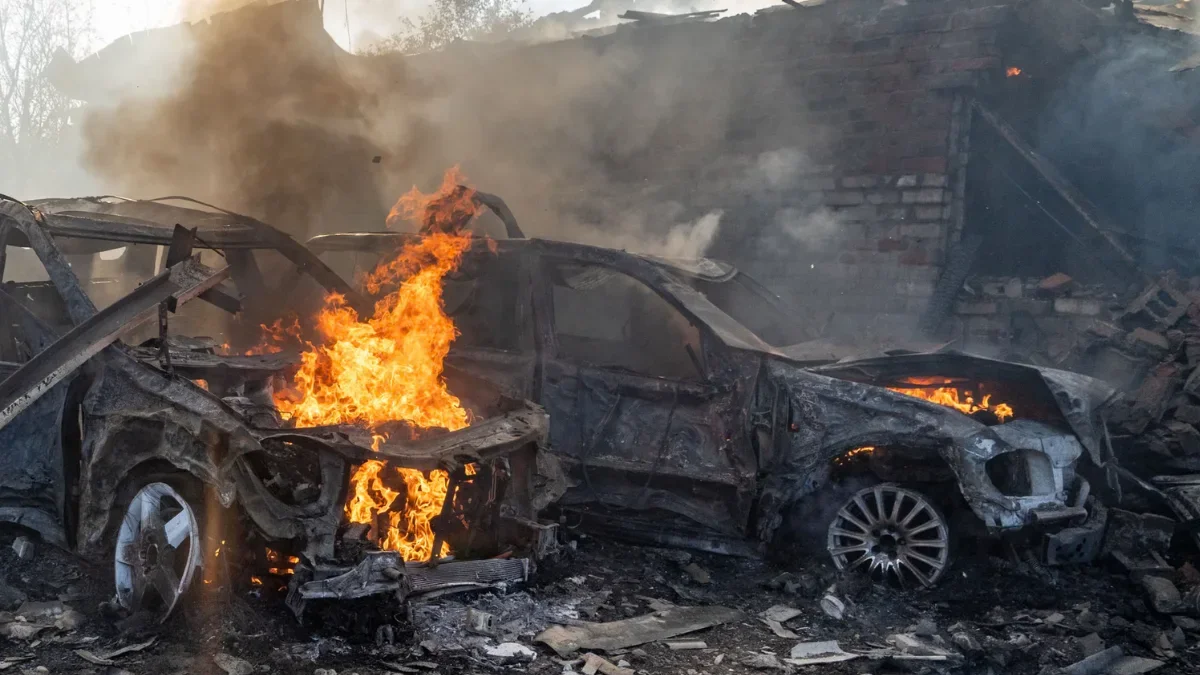
Multiple Ukrainian cities faced fresh power grid disruptions and localized blackouts following a series of Russian drone and missile strikes directed at major energy generation and transmission assets. Ukrainian President Volodymyr Zelensky confirmed that critical electrical stations—including facilities servicing Kyiv and Kharkiv—sustained direct hits, causing immediate power outages. The widespread strikes occurred in direct contrast to claims made by U.S. President Donald Trump regarding an agreed-upon moratorium on targeting energy infrastructure.
What Triggered the Recent Power Outages Across Ukraine?
The recent outages were triggered by coordinated Russian aerial bombardments targeting Ukrainian energy infrastructure. Regional authorities reported that dozens of attack drones and guided aerial munitions were launched against thermal power plants, sub-stations, and local distribution nodes. In Kharkiv, critical generation units were severely damaged, forcing local emergency responders to implement temporary rolling blackouts to stabilize the regional electric grid. Similar grid strain and intermittent service interruptions were reported in the capital, Kyiv, as maintenance crews scrambled to isolate affected units.
What Was President Trump's "Energy Ceasefire" Claim?
Hours before the air raid alerts sounded across Ukraine, President Donald Trump announced via social media that an immediate "energy ceasefire" had been established between Moscow and Kyiv. Trump declared that both nations had formally agreed to cease targeting each other's energy, fuel, and electrical facilities. The announcement was presented as a significant diplomatic breakthrough intended to mitigate regional energy supply disruptions. However, Ukrainian leadership stated they were not consulted on the details prior to the public declaration, describing the announcement as unexpected and lacking operational verification. Furthermore, Russian state officials issued no immediate formal confirmation regarding any binding agreement to stop targeting energy assets.
Who Has Been Impacted by the Latest Grid Attacks?
The physical consequences of the attacks fell primarily on Ukrainian civilians and municipal utility providers. Hundreds of thousands of residents lost access to stable electrical heating, running water, and reliable power grids following the strikes. Emergency services were deployed across urban centers to clear debris, extinguish structural fires at utility facilities, and provide backup generation systems for healthcare facilities. Beyond the domestic power sector, the geopolitical rift deepened between Washington and Kyiv, particularly as political tensions escalated over broader diplomatic efforts and international fuel market arrangements.
Why Are Diplomatic Efforts Facing Major Challenges?
Diplomatic initiatives to halt infrastructure attacks face profound hurdles due to a lack of shared operational guidelines and mutual enforcement mechanisms. While international leaders expressed support for reducing strikes on civilian energy systems, ongoing tactical engagements on the ground demonstrate the fragility of unverified ceasefires. Ukrainian defense officials noted that without verifiable monitoring systems and formal commitments from Moscow, unilateral ceasefire announcements do not guarantee safety or stop aerial assaults. As military operations continue uninterrupted on both sides of the border, restoring and protecting energy stability remains a central challenge for international mediators.