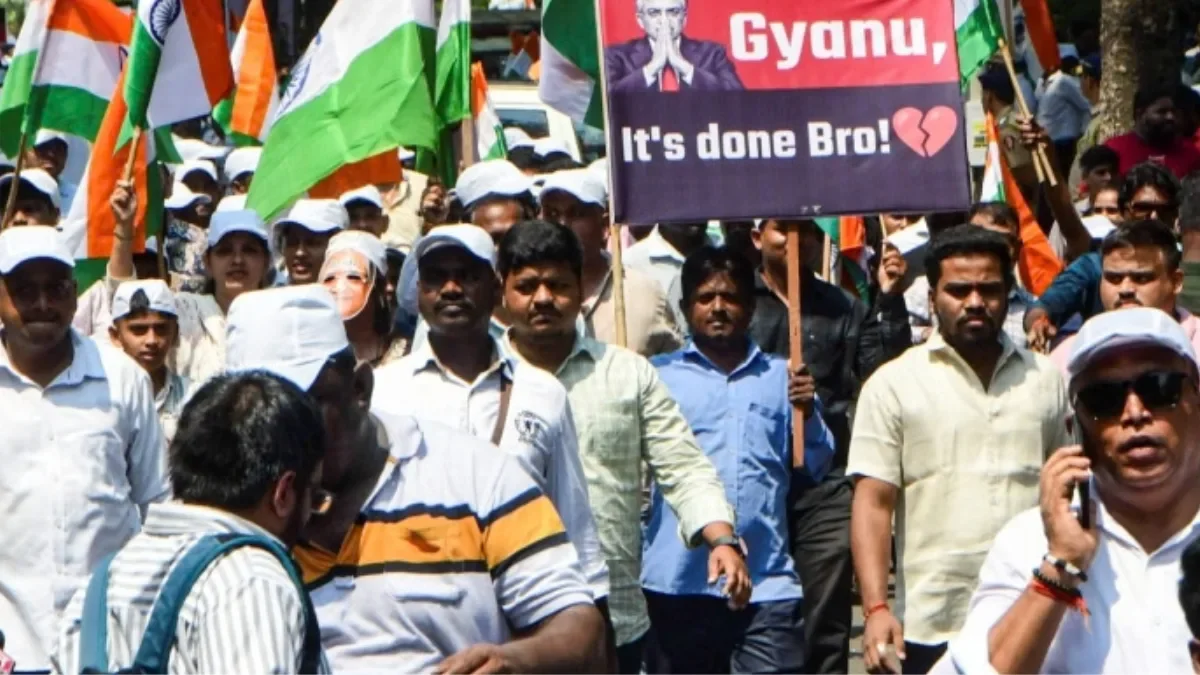
The recent political friction surrounding Chief Election Commissioner Gyanesh Kumar has sparked massive protests and opposition scrutiny. Led by youth groups and opposition parties, critics are demanding accountability over electoral roll revisions and internal commission discords, while supporters argue the accountability targets actions misaligned with his direct tenure.
Understanding the Controversy: What Led to the Resignation Demands?
The political landscape in India has witnessed heightened friction following intense public demonstrations and opposition demands for the ouster of Chief Election Commissioner (CEC) Gyanesh Kumar. Civil society movements, youth groups like the Cockroach Janta Party (CJP), and major opposition political parties have intensified pressure on the top election official. The core debate revolves around institutional transparency, administrative decisions regarding voter roll revisions, and allegations of external influence over independent constitutional bodies.
However, a closer look at the timeline reveals a complex narrative. A significant portion of the grievances and historical points of contention raised by critics involve procedures or past administrative workflows that did not occur directly under his active decision-making window as the head of the commission. This mismatch has triggered a wider debate among constitutional experts regarding accountability, institutional continuity, and the fairness of targeting current leadership for systemic legacy challenges.
Who is Driving the Protests and Why Now?
The agitation against the Election Commission of India (ECI) gained momentum following investigative reports highlighting internal discord among election commissioners regarding critical policy execution and transparency. Organizations and opposition leaders argue that recent electoral rolls and special revisions risked disenfranchising sections of citizens, prompting calls for immediate structural accountability and the resignation of the CEC. Protests spanning multiple cities have amplified these concerns, turning the ECI into a central flashpoint of political confrontation.
Where Do Institutional Checks and Balances Stand?
Constitutional bodies in India operate under strict frameworks designed to safeguard democratic integrity. Defenders of the institution emphasize that blaming individual authorities for broader systemic or legacy policy frameworks undermines the structural independence required by the Election Commission. Legal and political analysts continue to debate whether targeted resignation campaigns strengthen democratic oversight or inadvertently set a precedent of political interference in independent administrative bodies. As judicial scrutiny and parliamentary discussions evolve, the controversy remains a defining moment for electoral governance in the country.