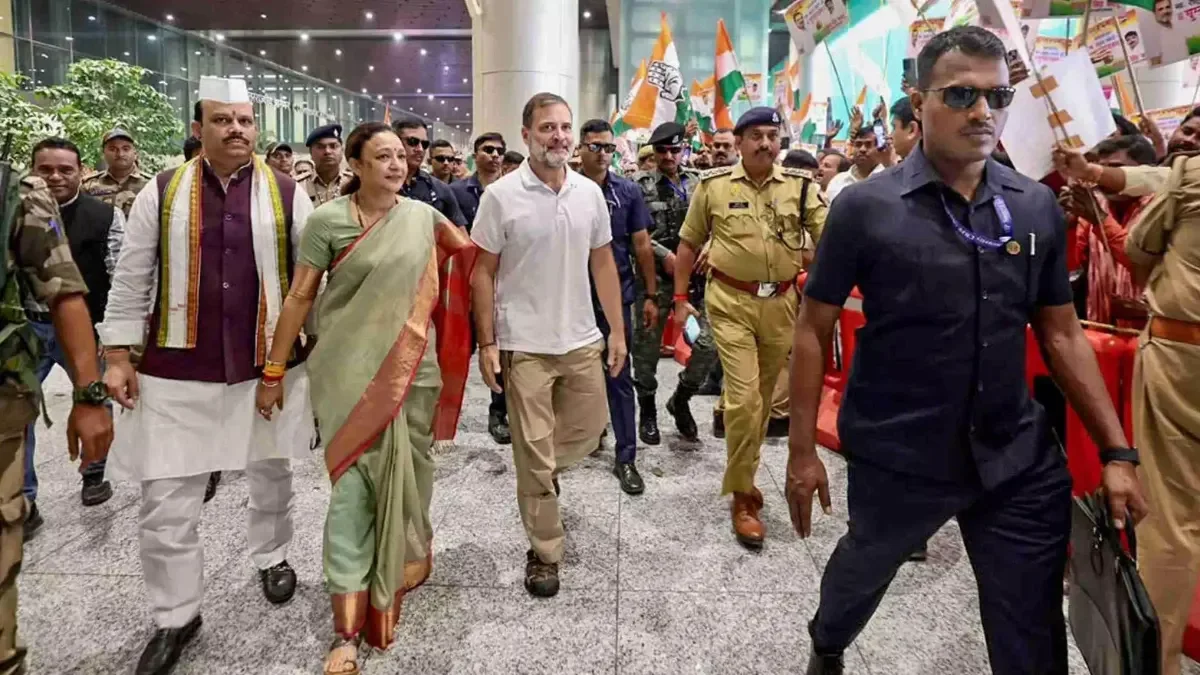
A special MP-MLA court located in Sultanpur, Uttar Pradesh, acquitted Senior Congress leader and Leader of the Opposition in the Lok Sabha, Rahul Gandhi, in connection with a 2018 criminal defamation proceeding. The court ruled that the statements made by the Congress politician did not legally constitute criminal defamation under Sections 499 and 500 of the Indian Penal Code. The decision marks the conclusion of a legal proceeding that spanned over six years across multiple judicial tiers in the state of Uttar Pradesh.
What sparked the 2018 defamation complaint against Rahul Gandhi?
The origin of the criminal case traces back to May 2018 during the political campaigning for the Karnataka Legislative Assembly elections. While addressing a press conference in Bengaluru, Rahul Gandhi made critical remarks directed at Amit Shah, who was then serving as the national president of the Bharatiya Janata Party (BJP). In his address, Gandhi questioned the ethical stance of the ruling party by making reference to a past judicial trial involving Shah.
On August 4, 2018, Vijay Mishra, who was serving as the District Vice President of the BJP in Sultanpur and former chairman of the District Cooperative Bank, filed a formal criminal defamation complaint against Gandhi. Mishra alleged that the statements made during the election rally were intentionally targeted to tarnish the reputation of both Amit Shah and the BJP as an organization.
Who were the key individuals and judicial bodies involved in the trial?
The case involved multiple political figures and legal entities over its procedural timeline:
Rahul Gandhi: The primary respondent in the complaint, serving as a Member of Parliament and currently the Leader of Opposition in the Lok Sabha.
Amit Shah: The subject of the disputed statements, serving as BJP National President in 2018 and currently the Union Minister of Home Affairs.
Vijay Mishra: The complainant in the matter, a local BJP politician from Sultanpur, Uttar Pradesh.
Special MP-MLA Court, Sultanpur: The primary judicial tribunal responsible for trying criminal cases involving elected representatives where the verdict was delivered.
During the procedural history of the case, the complainant submitted an application requesting the court to compel Gandhi to provide voice samples to verify audio recordings of his election address. The trial court rejected this application, after which Mishra filed revision petitions before the local sessions court and subsequently the Allahabad High Court. Both higher judicial forums upheld the trial court's order, dismissing the complainant's petition regarding voice sampling.
Why did the court find Rahul Gandhi not guilty of criminal defamation?
The judicial bench evaluating the case examined the legal elements required to satisfy criminal defamation under Indian jurisprudence. Under statutory guidelines, establishing defamation requires proving that the accused made or published an imputation intending to harm, or knowing that it would harm, the reputation of a person.
After considering the evidence, legal arguments, and precedents regarding political discourse during election campaigns, the magistrate concluded that the statements did not satisfy the legal thresholds necessary for criminal liability under Section 499. The court observed that the remarks lacked the specific requisite intention to commit criminal defamation under the law, resulting in an acquittal order for the Congress leader.
How did political entities respond to the Sultanpur court ruling?
Rahul Gandhi personally traveled to Uttar Pradesh to appear before the special court for the scheduled pronouncement of the judgment. His arrival at Lucknow’s Chaudhary Charan Singh International Airport was met by a large delegation of Uttar Pradesh Congress Committee leaders and party workers who organized a reception before his convoy proceeded towards Sultanpur.
Following the official pronouncement of the verdict, representatives of the Congress party welcomed the judicial outcome, describing the dismissal of the case as a validation of fair political commentary during democratic elections. Local leaders expressed satisfaction with the court's conclusion, noting that political debate during electoral campaigns should not be subjected to unnecessary criminal prosecution. Complainant Vijay Mishra and his legal counsel acknowledged the court's judgment while evaluating potential future legal avenues available under statutory appeal procedures.