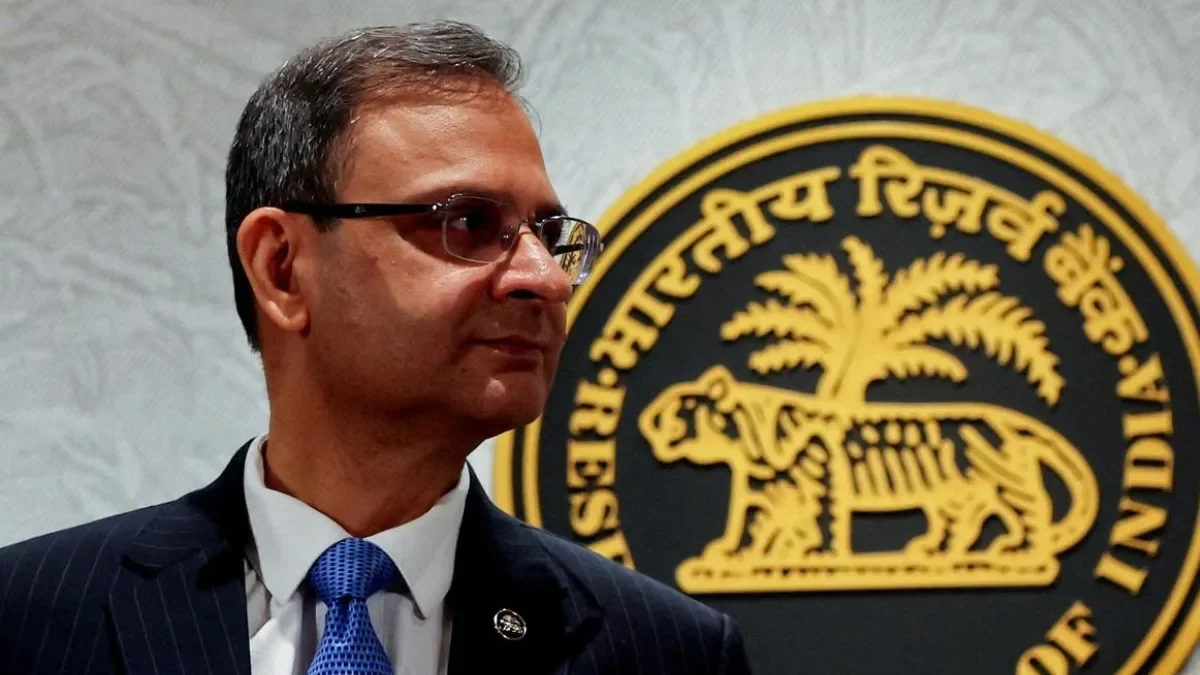
The decision by the Monetary Policy Committee (MPC) stems from a combination of domestic and external economic pressures. Persistent global uncertainties, fluctuating crude oil prices, and the risk of domestic inflation moving above comfort levels heavily influenced the outlook. Furthermore, elevated global bond yields and tightening measures by other major international central banks created an environment where maintaining an accommodative stance was no longer viable.
Why Did the RBI Adopt Calibrated Tightening?
Shifting the policy stance from neutral to "calibrated tightening" signals that the central bank intends to keep monetary conditions firm until price stability is securely restored. This approach provides the RBI with the flexibility to address lingering inflation risks while carefully monitoring ongoing GDP growth figures. It effectively communicates to the broader financial markets that immediate interest rate cuts are off the table.
How Will This Impact Borrowers and Consumers?
As the policy repo rate sets the baseline benchmark for institutional lending, commercial banks are expected to raise their marginal cost of funds-based lending rates (MCLR). Consequently, existing floating-rate retail loans—such as home, auto, and personal loans—will likely see higher equated monthly installments (EMIs) or extended tenures upon their next reset cycle. On the positive side, depositors may benefit from higher interest rates offered on fixed deposits and savings instruments as banks adjust to tighter systemic liquidity.