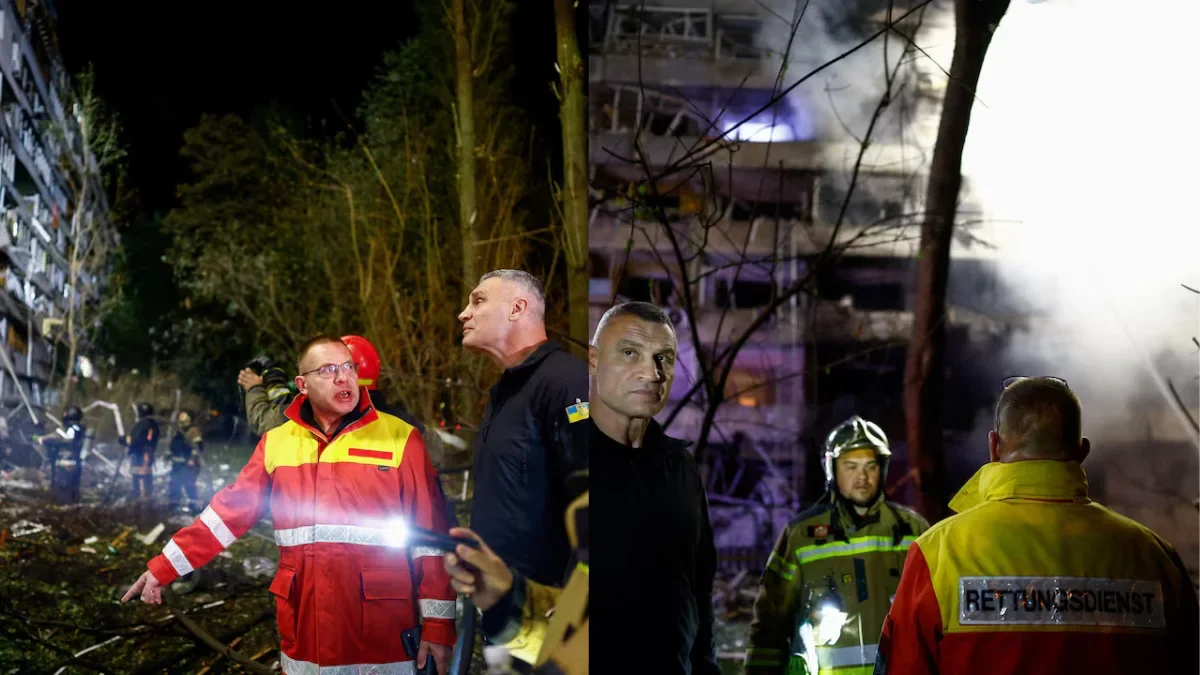
A massive, hours-long barrage of Russian missiles and attack drones struck major Ukrainian urban centers, killing at least three people and damaging 30 energy facilities across the country. President Volodymyr Zelenskyy confirmed that the coordinated bombardment left over 600,000 citizens without electricity, plunging critical urban regions into severe power outages and disrupting essential municipal utilities.
What Caused the Sudden Surge in Power Outages?
The primary driver behind the immediate energy crisis was the sheer volume and target precision of the overnight strikes. Russian forces launched scores of ballistic missiles alongside swarms of attack drones, concentrating their firepower on key elements of Ukraine's power grid. According to official reports from Ukrainian energy authorities, the bombardment directly hit 26 electric power installations and four critical oil and gas facilities.
The targeted destruction disrupted high-voltage transmission lines, electrical sub-stations, and local thermal distribution hubs. The sudden operational loss of these key nodes created immediate localized blackouts across regions that had already been struggling to stabilize their civilian energy networks ahead of seasonal winter demands.
Who Was Most Affected by the Attacks?
Civilian populations in key metropolitan hubs bore the brunt of the onslaught. The capital city of Kyiv, surrounding regional suburbs, and Kharkiv—Ukraine’s second-largest city—suffered the most heavy structural hits and severe service interruptions.
At least three individuals lost their lives, while dozens of others were injured in residential areas near target zones. Beyond human casualties, the destruction instantly stranded at least 600,000 registered electricity consumers in darkness. Affected residents were left without lighting, heating, or stable municipal water pressure, forcing localized emergency services, hospitals, and local infrastructure managers to shift immediately to backup generator reliance.
Where Did the Main Strikes Take Place?
The military assault focused heavily on key strategic regions located in central and northeastern Ukraine. Kyiv and its neighboring metropolitan districts experienced multiple waves of incoming loitering munitions and high-speed ballistic impacts, triggering continuous air raid alarms and forcing thousands into underground shelters.
Simultaneously, Kharkiv experienced intensive air strikes targeting energy generation stations and adjacent railway logistics hubs. In addition to these primary metropolitan zones, remote secondary strikes damaged transportation corridors and municipal infrastructure across five separate oblasts, spreading repair resources thin across the country.
Why Is the Energy Grid Under Strategic Threat?
This attack represents a continuing tactic focused on degrading Ukraine's foundational civilian infrastructure. By systematically targeting energy generation and distribution networks, the bombardment aims to strain civil resilience, disrupt domestic industrial output, and paralyze communication networks.
President Zelenskyy underscored that deliberate hits on power facilities—particularly ahead of lower seasonal temperatures—are structured to exacerbate daily living conditions for millions of non-combatants. Ukrainian officials emphasized that targeting oil, gas, and electrical capacity directly undermines the nation's capacity to maintain basic civilian survival systems during high-demand months.
How Are Ukrainian Emergency Teams Responding?
Immediately following the strikes, specialized repair crews from regional energy operators and units from the State Emergency Service deployed to the affected sites. First responders focused on extinguishing structural fires caused by drone explosions before technical engineers could safely access high-voltage transformer units.
Energy crews are currently utilizing rapid rerouting pathways to re-establish temporary connections for critical facilities, such as emergency care facilities and municipal water pumping stations. Meanwhile, local government bodies have reactivated civic support hubs to offer warm spaces, charging centers, and emergency supplies as technician teams rebuild damaged substation gear.