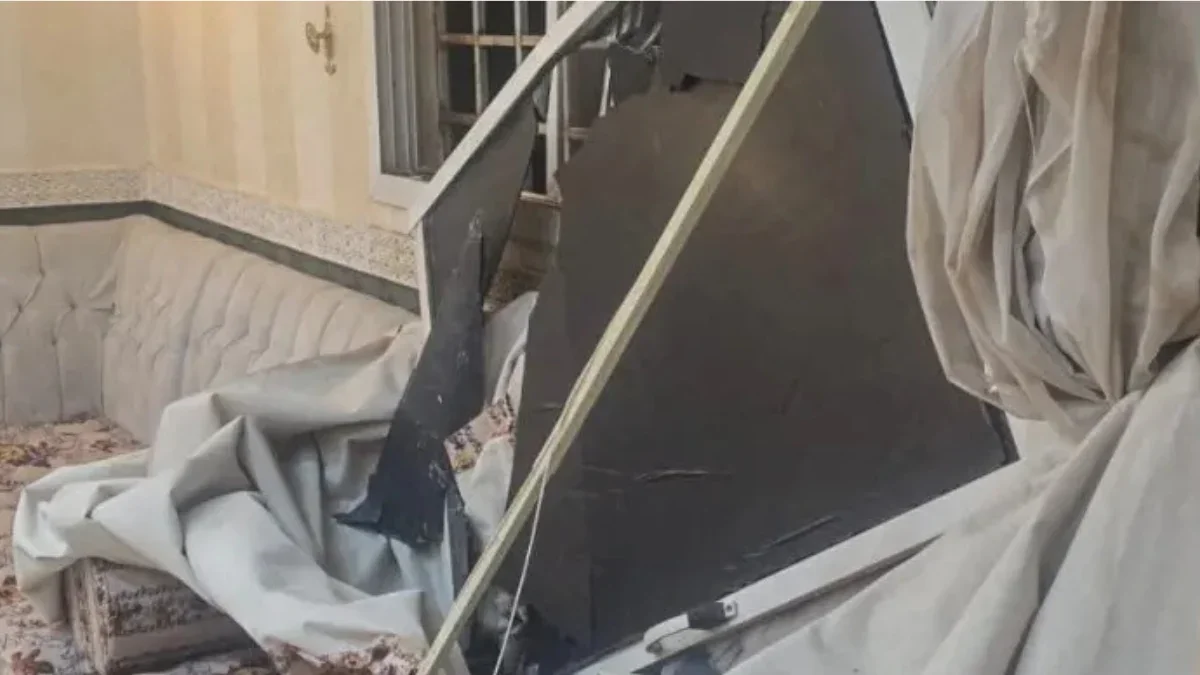
Saudi Arabia’s energy ministry confirmed that a strike caused a localized fire at a Saudi Aramco administrative facility in Dhahran with no casualties, following coalition operations against Houthi fuel terminals in Yemen and air defense interceptions over Riyadh province.
What Triggered the Latest Aerial Escalation?
Military crossfires expanded rapidly after the Saudi-led coalition initiated directed aerial operations targeting key Houthi energy terminals, supply routes, and strategic fuel storage reserves in Yemen. Coalitions officials highlighted that the primary goal of these strikes was to diminish the offensive capabilities utilized by Houthi forces to target regional infrastructure and international shipping lines. Following the coalition offensive, Houthi command structures issued explicit public warnings urging civilians to evacuate proximity zones around Saudi oil and energy installations, publicly designating them as legitimate targets for incoming retaliatory actions.
Where Did the Attacks Take Place and What Was Damaged?
The strikes ranged across major industrial and strategic regional zones. In eastern Saudi Arabia, an Aramco administrative complex in Dhahran suffered a direct strike that triggered a localized blaze. Firefighters contained the incident quickly, preventing major infrastructure structural failure or loss of life. Meanwhile, air defense networks were engaged in central Saudi Arabia. Units intercepted and destroyed a Houthi-launched cruise missile traversing the skies over the Al-Kharj governorate within the Riyadh province. In response, Saudi-led coalition operations pressed forward into Yemeni territories, hitting energy infrastructure in Sanaa, Dhamar, and Saada to neutralize logistical facilities used to mount long-range attacks.
Who Is Involved and What Are the Official Statements?
Key authorities from both governments issued statements addressing the military developments. Official representatives from the Saudi Energy Ministry confirmed the physical impact on the Dhahran Aramco building, reassuring the public that no fatalities or injuries occurred during the blaze. Speaking on behalf of the military response, Saudi-led coalition spokesperson Major General Turki al-Maliki stated that operational forces applied strict precautions during target selection in Yemen to mitigate civilian harm and reduce collateral damage on nearby infrastructure. On the opposite end, Houthi military spokespersons maintained that their strikes serve as direct responses to coalition air raids and reaffirmed their commitment to targeting vital energy assets across the Arabian peninsula.
Why Is This Conflict Intensely Escalating Now?
The exchange marks a sharp deterioration in regional stability as energy security concerns return to the forefront of the Middle East geopolitical landscape. By focusing attacks on high-value corporate offices and energy logistics centers, Houthi forces aim to disrupt global oil confidence and project long-range strike capabilities across Saudi borders. Conversely, the Saudi-led coalition seeks to establish deterrence by neutralizing fuel reserves and distribution hubs that power Houthi military hardware. As missile and drone threat vectors intensify, defense networks remain on high alert across key energy regions and urban centers.