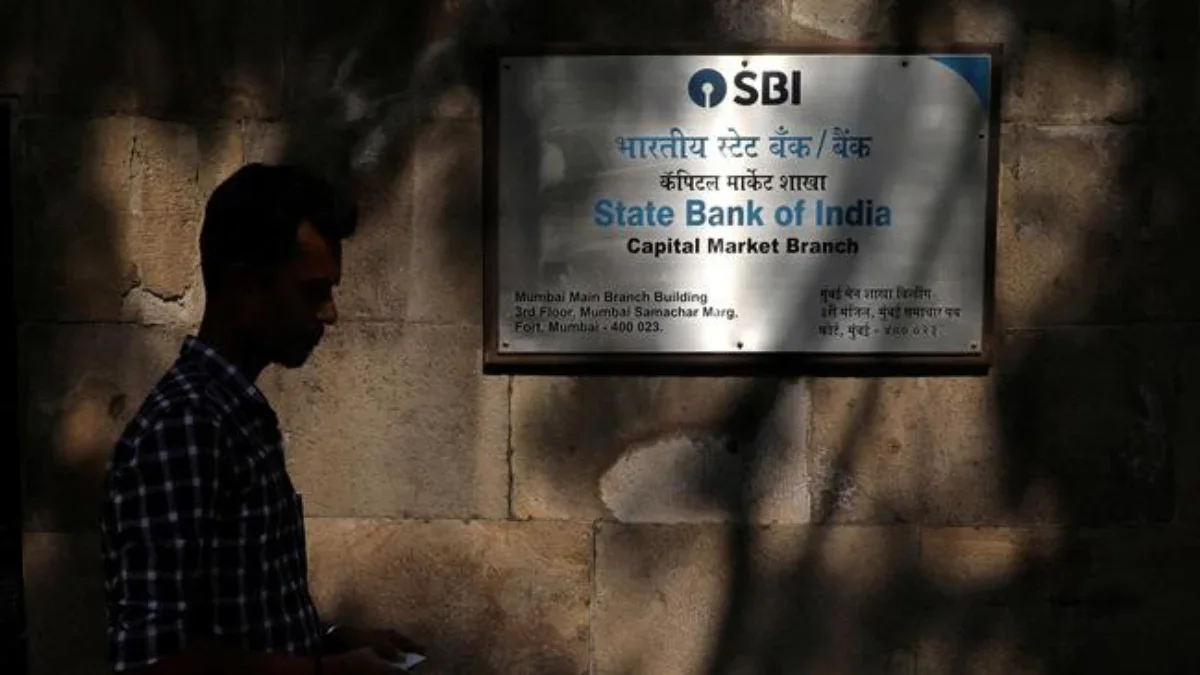
State Bank of India has confirmed that thousands of customer records containing personally identifiable information were discovered on the dark web following alerts from cybersecurity monitoring agencies. With critical details such as full names, mobile numbers, dates of birth, and loan metadata circulating online, fraudsters can construct convincing social engineering traps. Banking consumers must remain extra vigilant against fraudulent phone calls, fake messages, and deceptive websites designed to mirror official portals.
What exact information was compromised in the exposure?
Preliminary investigation revealed that nearly 4,000 customer records were exposed out of a larger dataset floating on dark web forums. The leaked files contained sensitive details including customer names, registered phone numbers, dates of birth, residential addresses, and email IDs. Additionally, internal identifier tags such as Customer Information File numbers, branch details, lead IDs, and loan application metadata were part of the exposed data. While core banking infrastructure and financial holdings remain fully secure and operational, the leak provides cybercriminals with precise personal context to engineer targeted attacks.
Why does leaked personal data make phone scams so dangerous?
When fraudsters obtain real personal details from a dark web leak, they can pass themselves off as genuine bank staff during unexpected calls. By quoting exact personal information like full names, loan account numbers, or address details, attackers build immediate credibility and break down a victim's natural defenses. They often manufacture urgent scenarios—claiming a account block, an unauthorized transaction, or an urgent update requirement—to pressure victims into sharing One-Time Passwords (OTPs), ATM PINs, or internet banking login details. Because the caller already knows specific account background, distinguishing between a fake representative and a genuine executive becomes extremely difficult.
How do scammers build fake websites that closely resemble official portals?
Modern cybercriminals deploy domain names that closely imitate legitimate banking addresses using subtle misspellings, hyphenations, or alternate domain extensions. They clone the visual design, logo placement, color palettes, and interface elements of the official SBI net banking login pages. When a user lands on these fake portals via SMS links, phishing emails, or sponsored search engine ads, the interface looks virtually indistinguishable from the real platform. Victims who enter their username, password, or security credentials on these malicious sites unknowingly hand over direct access to their financial accounts.
How can customers identify fake calls and verify official identity?
Protecting account security requires treating unverified incoming communication with strict skepticism:
Understand Bank Rules: Legitimate bank officials will never ask for personal PINs, profile passwords, CVVs, or OTPs over a phone call or text message.
Never Rely on Name Drops: Even if a caller correctly states your full name, birth date, or address, do not assume they represent your bank.
Refuse Immediate Action: Disconnect calls that use fear tactics, threats of legal action, or sudden account suspension demands.
Cross-Check Independently: Instead of clicking provided links or dialing back numbers given by callers, manually open the official mobile application or dial the official helpline published on the back of your debit card.
Inspect Website URLs: Always look at the address bar before entering login credentials to verify that the domain exactly matches the officially published bank site URL.
What actions should affected users take immediately?
Anyone who suspects they have interacted with a suspicious caller or shared details on an unverified link should change their net banking passwords and transaction PINs immediately. Fraudulent activities or unauthorized fund movements should be reported without delay to the national cybercrime portal (cybercrime.gov.in) and the official SBI helpline so that impacted accounts can be safeguarded promptly.