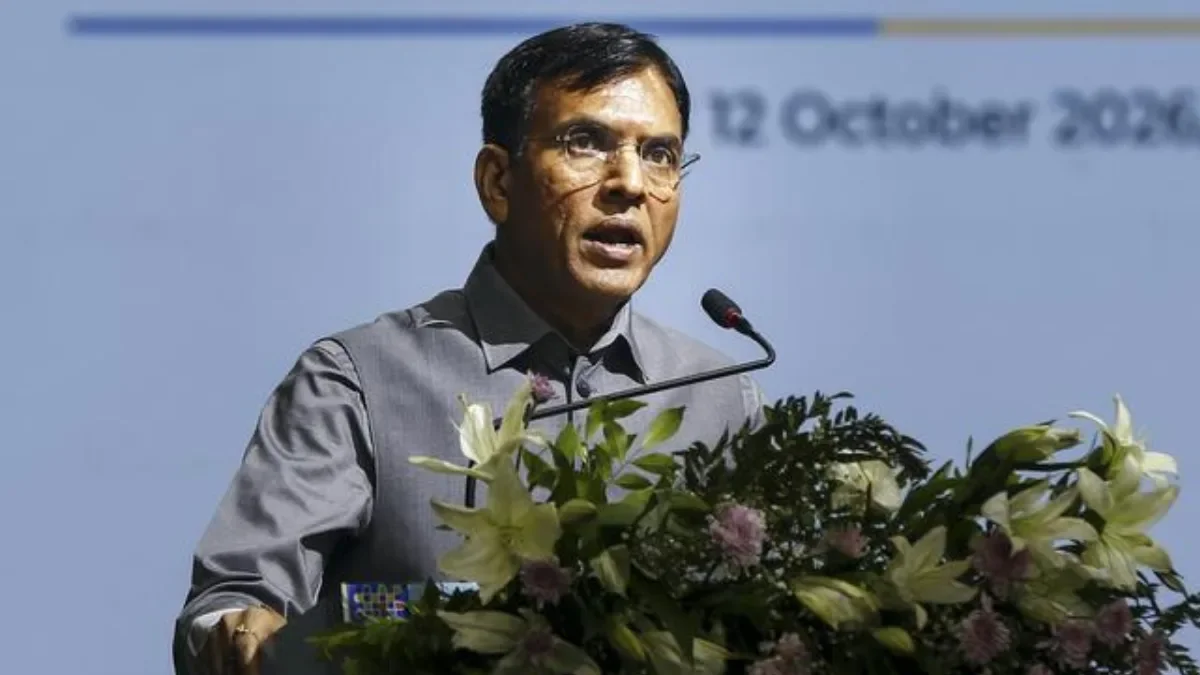
The Ministry of Labour and Employment has officially notified the establishment of the National Social Security Boards dedicated to informal, gig, and platform workers under the provisions of the Code on Social Security, 2020. The Union Minister for Labour and Employment, Dr. Mansukh Mandaviya, will preside over the boards as chairman. This strategic decision aims to create an overarching, structured framework to bring tens of millions of informal and digital platform workers into India's central welfare ecosystem.
What is the primary mandate of the newly established boards?
The primary responsibility of the National Social Security Boards is to systematically design, recommend, and monitor specialized welfare frameworks for both traditional unorganised workers and modern platform-based workers. The bodies are empowered to advise the Central Government on legislative and administrative matters arising from the implementation of the Social Security Code. Beyond policy formulation, the boards will maintain continuous operational oversight, evaluating centrally administered social security schemes, inspecting record-keeping protocols maintained at state levels, and reviewing overall financial expenditures to guarantee transparent disbursement of resources.
Who constitutes the membership of these national boards?
To ensure comprehensive governance, the boards integrate a multi-stakeholder composition bringing together diverse sectors. The leadership structure includes key representation from:
Central and State Government officials
Executives from prominent digital aggregator companies
Employers across informal industries
Delegates from trade unions, civil society organizations, and gig worker associations
Representatives and experts from institutions such as the Employees' Provident Fund Organisation (EPFO) and Employees' State Insurance Corporation (ESIC)
For issues specifically impacting gig and platform arrangements, dedicated representation ensures five members from aggregator platforms and five members from gig worker associations actively participate alongside state and federal authority representatives.
Why is this initiative critical for the modern workforce?
India's economic landscape has experienced rapid expansion in digital platform models, yielding millions of delivery executives, ride-hailing drivers, and freelance service providers alongside vast traditional unorganised labor forces. Historically, these workers operated without fixed employer-employee structures, leaving them susceptible to health emergencies, lack of retirement options, financial instability, and zero safety nets. Establishing these boards directly addresses the systemic gap between traditional labor laws and modern flexible employment realities, bringing non-standard employment into a standardized social welfare framework.
How will the operational processes be structured?
Under the statutory notification, the boards are constituted with a mandated term of three years. To ensure active governance, the bodies are required to convene at least three times every year to deliberate on policy proposals, review field progress, and evaluate central funding accounts. The boards will follow standardized procedures prescribed by the Central Government, serving as a feedback channel between state-level execution and national policy design.
Where do these developments fit within broader policy implementation?
This step constitutes a institutional mechanism under the Labour Codes to pave the way for future schemerollouts. While the current notification formally establishes the governance infrastructure, specific beneficiary eligibility guidelines, social security contribution ratios, and payout timelines will follow based on recommendations issued by the boards to the Ministry. Consequently, this establishes a structural foundation to launch life insurance, disability cover, health benefits, and retirement schemes tailored specifically to flexible work patterns in upcoming phases.