The political friction centers around the Special Intensive Revision (SIR) of electoral rolls, which opposition parties claim contains severe irregularities and systemic exclusions. Led by prominent figures within the INDIA bloc, including Lok Sabha Leader of Opposition Rahul Gandhi, opposition leaders have continuously intensified their nationwide demonstrations. Protesters argue that the functioning of the Election Commission of India under Chief Election Commissioner Gyanesh Kumar compromises democratic integrity, prompting calls for accountability and leadership changes.
Judicial Intervention and Public Movement
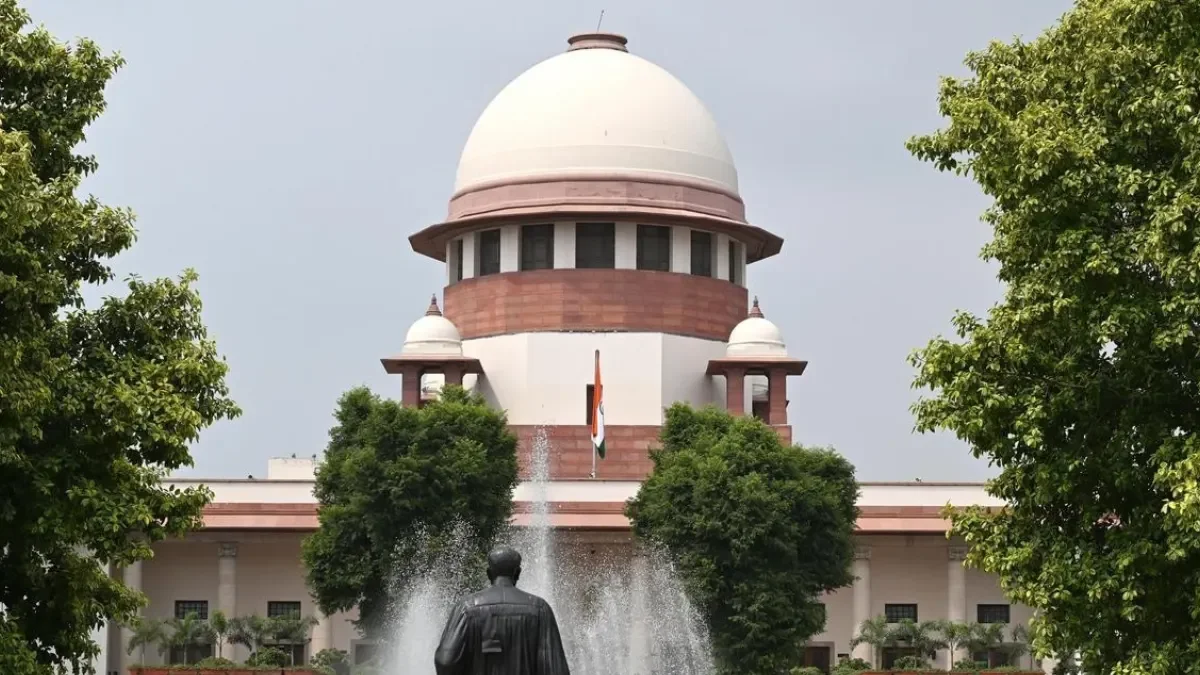
Amid mounting tension surrounding scheduled demonstrations in the national capital, the Supreme Court weighed in on civic freedoms. Emphasizing that citizens possess an intrinsic right to associate and protest peacefully, the apex court also questioned authorities regarding sweeping public transport closures and metro restrictions that stranded ordinary commuters. The judiciary stressed that while maintenance of public order and security is essential, administrative actions must balance security needs with the daily mobility rights of citizens.
Political Strategy and Upcoming Delegations
As political momentum builds toward scheduled demonstrations, opposition strategy has shifted toward direct institutional appeals alongside ground mobilization. Key alliance leaders finalized plans to meet with President Droupadi Murmu to formally present memorandums outlining their grievances against the election authority. Meanwhile, law enforcement agencies have tightened security measures across sensitive zones in New Delhi to manage large-scale political activities and counter-demonstrations safely.