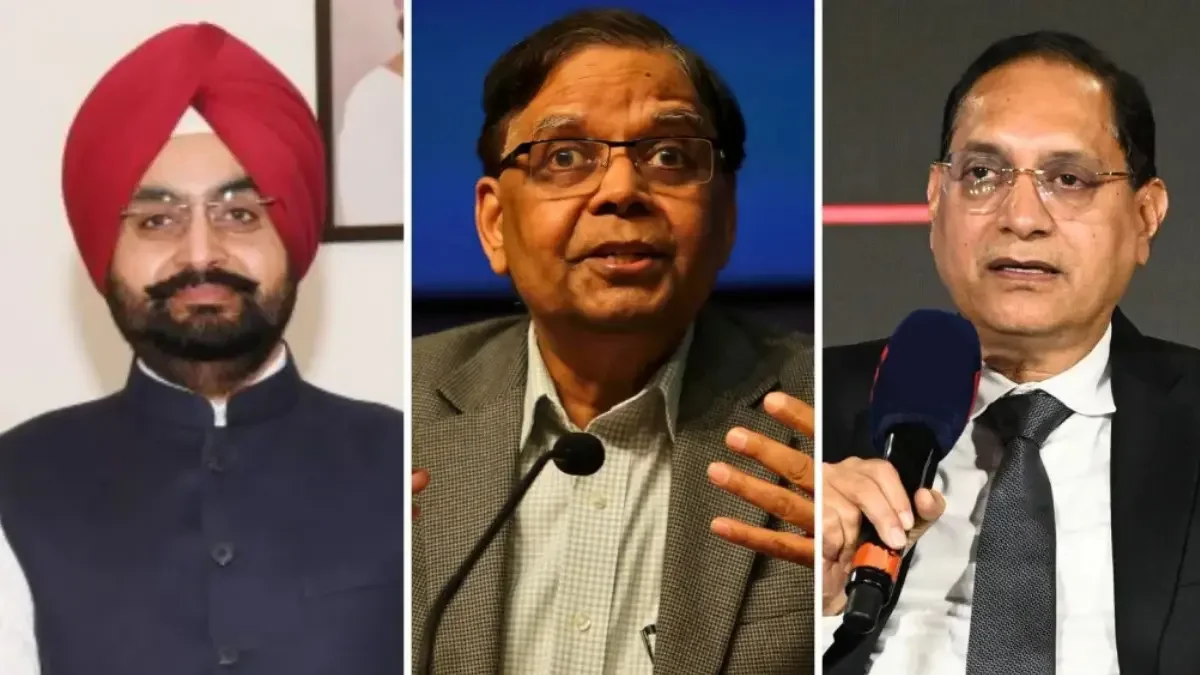
The Special Intensive Revision (SIR) is an intensive administrative mechanism launched to cleanse and verify electoral rolls by thoroughly cross-checking voter details. This intensive process aims to track down missing links, rectify spelling or data discrepancies, and map existing electors against historical benchmark databases. In recent exercises, millions of draft electors across regions like Delhi have been flagged due to unmapped details or logical errors, compelling authorities and citizens alike to verify their credentials.
Why Are Top Bureaucrats and Officials Receiving Notices?
Prominent figures, including Election Commissioner S S Sandhu, Foreign Secretary Vikram Misri, SEBI Chairman Tuhin Kanta Pandey, and former NITI Aayog vice-chairman Arvind Panagariya, have found their names on the flagged lists primarily because of historical record discrepancies. The notices are systematically triggered when an elector's current credentials fail to align smoothly with legacy records or when they remain unmapped with previous SIR data cycles. Minor administrative mismatches—such as spelling variations in names, parent name discrepancies, or official residential changes—frequently place high-profile public servants into the verification net, highlighting how broad data criteria apply universally without exceptions.
How Is the Administration Handling the Verification Process?
Affected individuals are required to provide official documentation and clear clarification within tight regulatory deadlines to validate their voting eligibility. The Election Commission and local electoral registration officers have streamlined window limits to process responses, ensuring that electoral roll updates and corrections meet statutory publication timelines. While the massive scale of notices has triggered public debates and judicial scrutiny regarding transparency, authorities maintain that rigorous verification safeguards the democratic integrity of future elections.