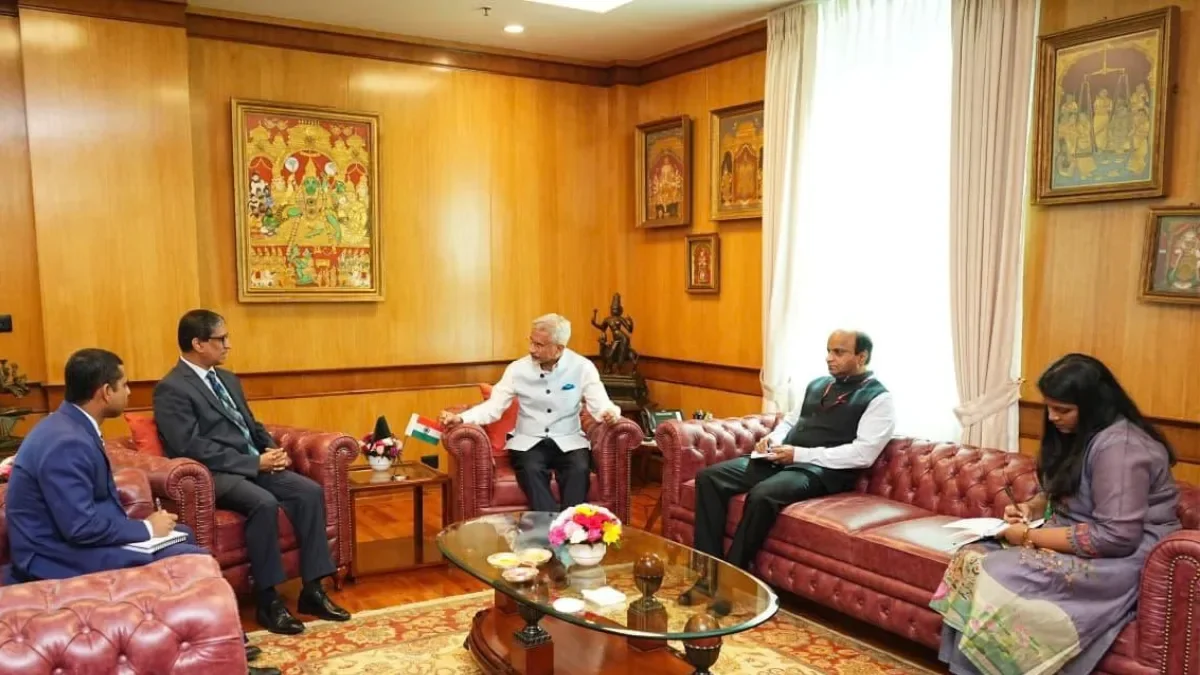
As diplomatic transitions take place across South Asia, Bangladesh’s outgoing High Commissioner to India, M. Riaz Hamidullah, has shared candid reflections on the complex and vital partnership between New Delhi and Dhaka. Set to leave New Delhi for his next assignment as Bangladesh’s Permanent Representative to the United Nations in Geneva, Hamidullah emphasized that the bilateral relationship is fundamentally "organic" and anchored in mutual interdependence. His remarks come at a crucial time when maintaining steady regional stability is paramount for both nations.
Why the Relationship is "Organic" and Interdependent
Describing the geographical and historical proximity shared by the two countries, Hamidullah pointed out that intimacy in geography naturally brings both shared benefits and occasional friction. Rather than viewing political or perspective differences as roadblocks, the veteran diplomat stressed that differences are natural in any close relationship.
Shared Interests: Both nations rely heavily on regional commerce, security cooperation, and cultural connectivity.
Continuous Engagement: Hamidullah maintained that nations must stay engaged in conversation, regardless of shifting political dynamics, to safeguard long-term stability. Dhaka Tribune
Expanding Beyond Traditional Diplomacy
A key cornerstone of Hamidullah's tenure has been pushing for deeper connections that transcend conventional government-to-government interactions. He advocated for expansive outreach targeting students, schools, and universities. By fostering dialogue among the younger generation—such as his recent interactions with students in diverse regions like Srinagar—he underscored that grassroots understanding can bridge policy gaps and reach millions of citizens. Cultural initiatives, such as food and heritage festivals hosted by the High Commission, further served as soft-diplomacy tools to bring ordinary people closer together.
Future Outlook: What Lies Ahead?
As Hamidullah concludes his tenure, the focus shifts to how future diplomatic channels will handle evolving regional expectations. Maintaining open communication lines remains essential for economic partnership, border management, and security cooperation. The emphasis on youth engagement and institutional dialogue provides a resilient blueprint for navigating future diplomatic challenges, ensuring that ties between ordinary citizens remain strong even as leadership and geopolitical landscapes evolve.
source link = Tried to steady and advance ties with India: Bangladesh's outgoing envoy Riaz Hamidullah