The political landscape in Texas has shifted into an unaccustomed battleground for the Republican party. Traditionally viewed as a safe red state, the current Senate race features state Attorney General Ken Paxton facing a surprisingly competitive challenge from Democrat James Talarico. With the national balance of power in the U.S. Senate hanging in the balance, both parties are pouring massive financial and organizational resources into the state.
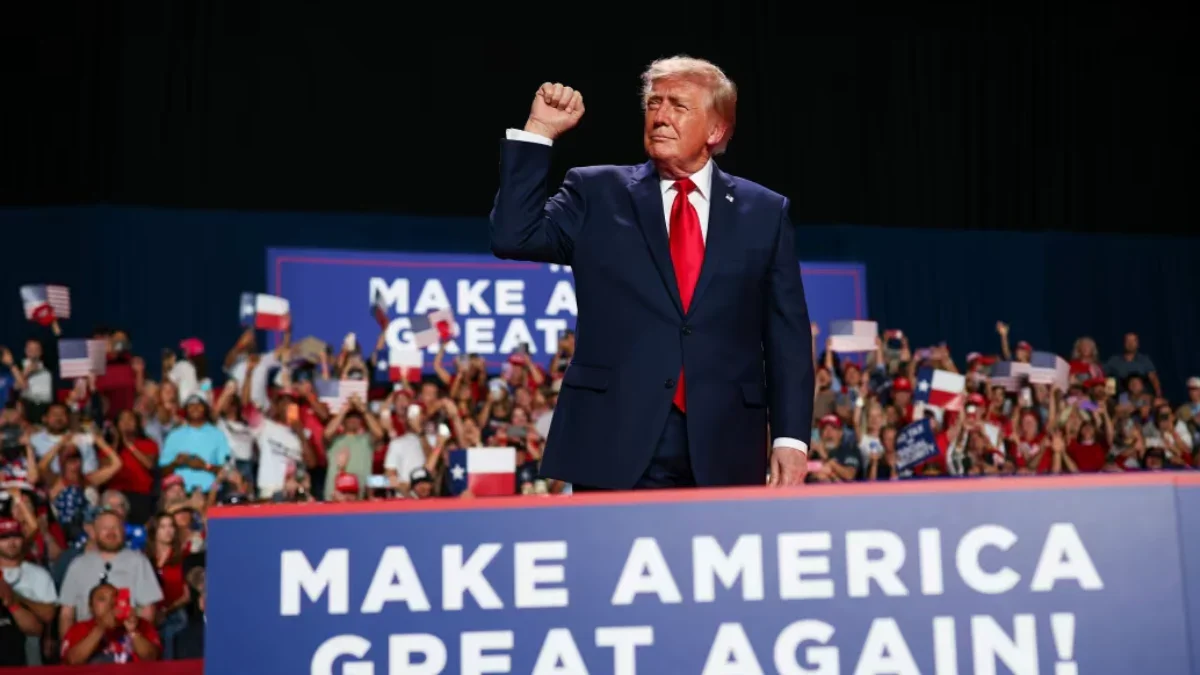
President Trump’s repeated visits underscore how critical Texas is to the broader Republican strategy. However, this final stretch has been complicated by internal tensions, most notably private audio leaks attributed to Paxton questioning the effectiveness of Trump's political capital and influence on the ground. Despite past public insults and friction between the two figures, the imperative to hold the Senate seat has forced an uneasy alliance.
Why Is This Midterm Race Crucial for the GOP?
The path to maintaining a Senate majority runs heavily through states like Texas, making a potential loss catastrophic for Republican legislative goals. For decades, the Lone Star State has reliably voted red in federal elections, but narrowing poll margins have energized Democratic hopes of securing their first statewide victory in over thirty years.
As early voting approaches, national surrogates like Trump are deploying high-intensity rallies to mobilize the core base. Yet, political analysts note that leaning heavily on polarizing national figures can risk alienating moderate and independent voters who hold the key to the outcome in suburban districts.
What Factors Are Driving the Unexpected Tight Polls?
Several intersecting elements have contributed to the tightened polling numbers in Texas:
Shifting Demographics: Rapid growth in suburban counties around major metro areas has steadily trended competitive.
Voter Enthusiasm: Democratic candidate James Talarico has marshaled significant fundraising and grassroots momentum, shifting conventional electoral maps.
National Friction: Controversies and leaked audio recordings have injected local drama into the race, forcing campaigns to spend valuable time managing fallout rather than focusing entirely on policy differences.