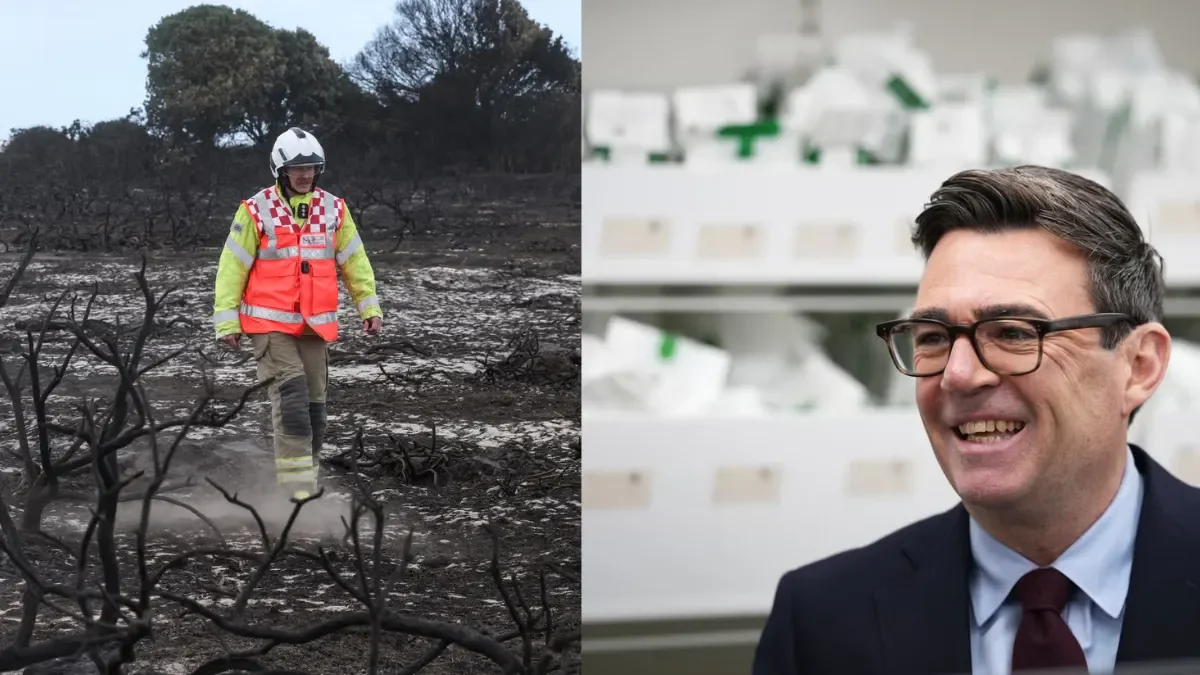
In a major shift in national defense and disaster management, the British government announced that it will deploy military aircraft for the first time to help tackle environmental blazes. Following the nation's hottest summer on record—which triggered widespread and unrelenting blazes—officials are treating climate change as an escalating threat to domestic security. To reinforce frontline emergency crews, specialized capabilities are being added to the armed forces.
What Military Resources Are Being Deployed?
The Royal Air Force (RAF) is converting key elements of its air fleet to assist civilian emergency response teams. Heavy-lift Chinook helicopters and A400M transport aircraft are being retrofitted with specialized firefighting technology. These military aircraft will stand ready to deploy to hard-to-reach locations—such as remote moorlands, steep hillsides, and isolated countryside—where ground-based emergency vehicles often struggle to gain quick access. By dropping large quantities of water from above, RAF crews will help extinguish severe fires before they expand into populated areas.
How Will Government Funding Support Firefighters and Restoration?
To bolster ground forces, the UK government is providing up to £45 million ($60.15 million) dedicated to specialized response teams and modern firefighting gear. Beyond immediate suppression efforts, £25 million is earmarked for land management initiatives, specifically focusing on peatland restoration. Restoring healthy peatlands allows the soil to retain natural moisture, reducing overall combustible material. Financial support will also reach local farmers to help implement fire-prevention measures, manage flammable brush, and build landscape resilience across vulnerable agricultural regions.
Why Is Artificial Intelligence Essential for Future Wildfire Tracking?
Recognizing that early detection saves lives and property, a dedicated AI unit is being established to transform how blazes are monitored and managed. Working in close collaboration with the Met Office—Britain's national meteorological service—the new unit will utilize predictive algorithms and real-time weather analytics to assess fire risks. This technology will track fire vectors, forecast potential spread based on wind patterns, and allow emergency responders to deploy resources proactively rather than reactively.
Who Is Affected and What Are the Key Considerations Moving Forward?
Communities bordering rural terrain, local firefighters, and agricultural workers stand to benefit directly from these rapid-response measures. However, environmental campaigners emphasize that military deployment and technological tracking only address the symptoms of climate change. Experts stress that alongside preparing for severe weather emergencies, long-term policy must continuously target carbon emissions and habitat protection to prevent environmental disasters from becoming the new normal.