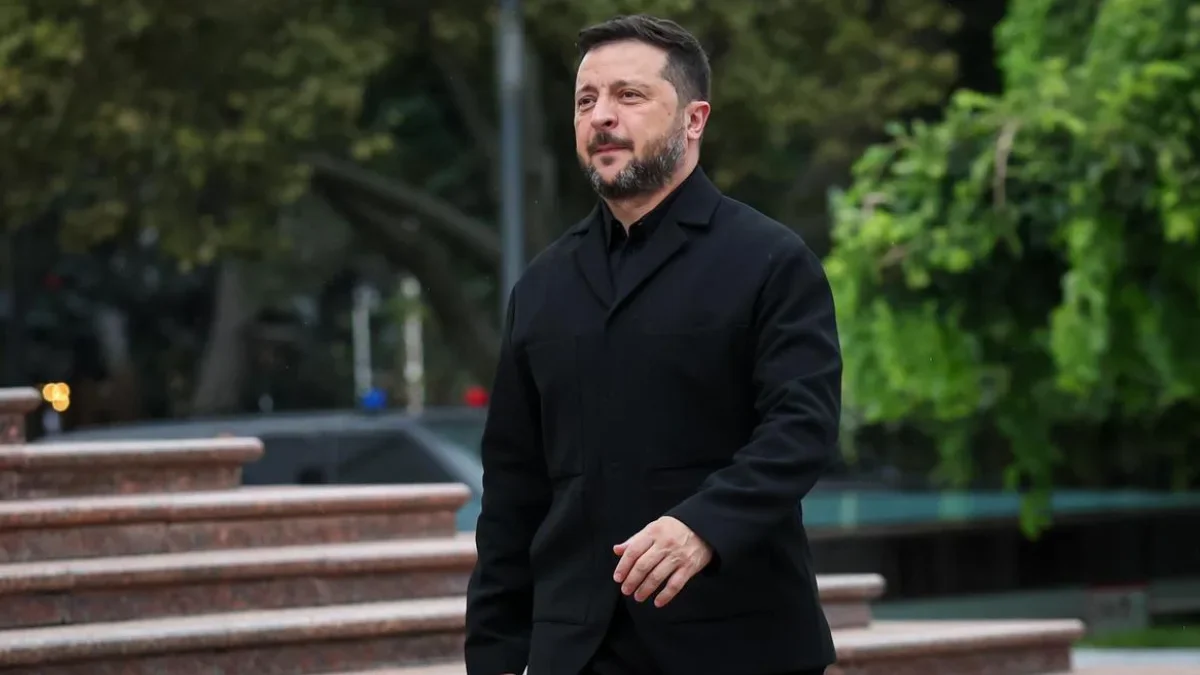
Ukraine has resumed long-range strikes against Russian strategic energy infrastructure, officially ending its participation in a brief, U.S.-brokered energy truce. Ukrainian long-range attack drones targeted the Ryazan oil refinery—a critical facility located approximately 300 kilometers southeast of Moscow, operated by state energy firm Rosneft. The overnight assault ignited a major blaze at the plant, which accounts for nearly 5 percent of Russia's total oil refining capacity and serves as a vital fuel hub for the Moscow region.
Ukrainian President Volodymyr Zelenskyy made Kyiv's change in policy clear, declaring during interviews that "the block is out—we're done" regarding the pause on refinery strikes. Ukrainian officials noted that while Kyiv initially tried to honor the restraint requested by Washington, Moscow completely ignored the arrangement and continued its heavy bombardment of Ukrainian cities and power networks, leaving hundreds of thousands without electricity. Faced with persistent aggression, Ukraine resolved that maintaining unilateral restraint was no longer viable for national defense.
Why Does Zelenskyy Feel Betrayed by Trump?
The decision to hit Russian energy targets comes alongside deep geopolitical friction between Kyiv and the White House. President Volodymyr Zelenskyy openly expressed that he feels betrayed by U.S. President Donald Trump following a sequence of controversial foreign policy shifts from Washington. Zelenskyy voiced anger over a bilateral arrangement between President Trump and Russian President Vladimir Putin allowing Washington to import Russian diesel, an agreement Kyiv argues undermines international sanctions and funds Moscow’s military operations.
Furthermore, Ukrainian defense officials revealed that Kyiv faced severe operational hindrances, including recent restrictions on intelligence sharing and speed limits placed on U.S.-controlled Starlink satellite communication systems. These disruptions directly hampered Ukrainian frontline defenses and counter-strike operations against incoming Russian ballistic missiles. Zelenskyy voiced frustration that Washington appears to be pushing Ukraine toward surrender rather than pressuring the aggressor to halt its invasion.
What Are the Strategic Implications for Washington and Europe?
The breakdown of the energy truce highlights a widening rift between the United States and its European allies regarding the trajectory of the war. European leaders reaffirmed their steadfast support for Kyiv, rejecting any peace diplomatic framework that forces Ukraine into a disadvantaged position. European Union foreign policy Chief Kallas stressed that squeezing Ukraine is a flawed diplomatic approach and pledged continued European backing for Ukrainian sovereignty.
At the same time, President Trump faces domestic economic pressures tied to elevated global fuel prices ahead of U.S. elections, prompting his administration to press for halts on Russian energy strikes. However, with Ukraine determined to target Russia's economic engine to handicap its war effort, the conflict enters a volatile new phase where diplomatic deal-making between Washington and Moscow is directly challenged by ongoing developments on the ground.